
 Digital Guider
Foundation cracks can be more than a cosmetic issue. In Brooklyn, changing weather, soil movement, moisture, and aging building materials can affect foundation walls over time. However, not every crack points to a serious structural problem. Some need sealing to keep water out, while others require repairs to address movement or damage to the foundation.
Understanding the difference helps property owners choose the right foundation repair in Brooklyn, NY, and protect their buildings from further damage.
What Is Foundation Crack Repair?
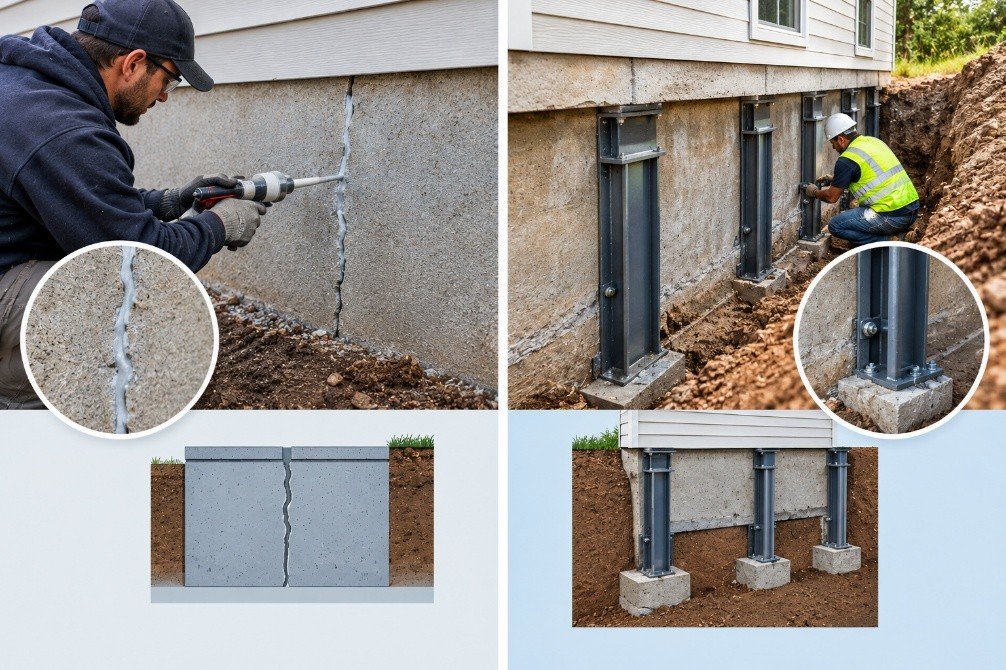
Foundation crack repair focuses on sealing cracks in concrete or masonry walls. The main goal is to reduce water entry, prevent moisture damage, and restore the affected area when the foundation remains structurally sound.
Common signs that may need crack repair include:
- Small, stable cracks: Thin cracks with no signs of growth or wall movement.
- Water seepage: Moisture entering through a visible crack after rain.
- Minor surface damage: Small openings in concrete or masonry that need sealing.
Depending on the crack and the material, a repair professional may use epoxy, polyurethane injection, or suitable sealants. The right method depends on whether the crack is dry, leaking, or showing signs of movement.
What Is Structural Foundation Repair?
Structural foundation repair addresses damage that affects a building’s stability. It may be needed when the foundation shifts, settles unevenly, or develops serious cracks. Unlike basic crack sealing, this work aims to correct the cause of the damage and restore the foundation’s strength.
Warning signs include:
- Wide or growing cracks in foundation walls.
- Horizontal cracks or walls that bow inward.
- Uneven floors, sticking doors, or windows that no longer close properly.
- Gaps around walls, ceilings, or other building joints.
Repairs may involve wall reinforcement, underpinning, or other methods selected after a professional inspection. The right solution depends on the building’s condition, soil movement, and the cause of the damage.
Key Differences Between the Two Repair Methods
Although both methods address foundation damage, they serve different purposes.
- Main goal: Crack repair seals openings and limits water entry. Structural repair addresses stability problems and the causes of foundation movement.
- Repair method: Crack repair may use injections or sealants. Structural work may require reinforcement, underpinning, or other corrective measures.
- Scope of work: Crack repair may involve one damaged area. Structural repair can require a wider assessment of the foundation and building.
- Cost and complexity: Crack repair is generally less involved, while structural work may need more labor, materials, and planning.
A professional inspection helps determine which option fits the condition of the foundation.
Which Foundation Repair Does Your Brooklyn Property Need?
The correct choice depends on the crack’s size, direction, location, and pattern of change. A small vertical crack with no movement may need sealing. However, a growing horizontal crack or a wall that bows inward may point to a structural concern.
Brooklyn properties can also face water pressure, poor drainage, and soil changes. A qualified contractor can inspect the damage, identify possible causes, and recommend suitable foundation repair in Queens, NY when a property in Queens needs the same careful assessment. Avoid covering cracks before they have been checked, as doing so may hide signs of a larger problem.
Why Timely Foundation Repairs Matter
Prompt repairs can help limit water damage, protect interior spaces, and reduce the risk of more costly work. Structural warning signs deserve prompt attention, especially if cracks grow or walls begin to move.
City Suburb can help property owners understand their foundation concerns and identify the type of repair needed. A clear assessment gives you a better basis for planning the work and protecting your property.
Frequently Asked Questions
1. Can every foundation crack be repaired with sealant?
No. Sealants may work for minor, stable cracks, but they cannot correct foundation movement or serious structural damage. A professional inspection can help determine whether sealing is enough or more extensive repairs are needed.
2. Are horizontal foundation cracks more serious than vertical cracks?
Horizontal cracks can signal pressure against a foundation wall and may indicate a structural risk. Vertical cracks can also be serious if they widen, leak, or show movement, so their condition needs proper evaluation.
3. How can I tell if a foundation crack is getting worse?
Look for changes in width, length, water seepage, or nearby wall movement. You may also notice uneven floors or doors that stick. Photographing the crack over time can help track visible changes before an inspection.
4. Does foundation crack repair stop basement leaks?
It can help stop leaks when water enters through a suitable crack, and the repair method matches the problem. However, drainage issues or water pressure may need attention too, or moisture could return.
5. When should I contact a foundation repair contractor?
Contact a qualified contractor if cracks widen, walls bow, water enters through foundation walls, or floors become uneven. Prompt evaluation can help identify the cause and prevent a minor concern from becoming more costly.
Protect Your Foundation With City Suburb
Do not let a small crack turn into a larger concern. Contact City Suburb to discuss your foundation damage and arrange an assessment of the problem. The right repair plan can help protect your Brooklyn property and keep your foundation in good condition.