Common Roof Problems Homeowners Ignore (and What They Really Cost)
Your roof is more than just a structural necessity—it’s your home’s first line of defense against the elements. Yet, many homeowners unknowingly neglect minor roof issues, assuming they are harmless or will resolve on their own. Over time, these small problems can escalate into major repairs, costing thousands of dollars and causing unnecessary stress. Understanding common roof problems, the warning signs to watch for, and the real costs of ignoring them is essential for every homeowner who wants to protect their property and investments.
In today’s fast-paced world, routine roof maintenance often falls low on the priority list. Homeowners may delay inspections or ignore visible signs such as missing shingles, leaks, or minor water damage, thinking the issue is minor. Unfortunately, roofs are complex systems, and small defects can compromise structural integrity, energy efficiency, and even the health of your household. By recognizing common roof problems early, homeowners can make informed decisions, avoid costly repairs, and extend the lifespan of their roof. In this article, we’ll explore the most frequently ignored roofing issues, their potential consequences, and expert advice for preventative care.
1. Damaged or Missing Shingles
Signs to Watch For
Shingles are your roof’s primary protective layer against rain, wind, and UV rays. Missing, cracked, or curling shingles are often dismissed as cosmetic issues, but they are early indicators of potential structural damage. Homeowners may overlook a few loose shingles, assuming they will settle back into place, yet these gaps allow moisture to penetrate the underlayment and decking.
Costs of Ignoring
Neglected shingle damage can lead to water infiltration, resulting in rot, mold growth, and weakened roof structure. Repairing isolated shingles may cost $150–$500, but if water damage spreads, full roof replacement can exceed $7,000 depending on materials and labor.
Best Practices
Regularly inspect your roof, especially after storms. Replace damaged shingles promptly, and consult a professional for periodic maintenance. A small investment now can prevent major costs later.
2. Roof Leaks and Water Damage
Early Warning Signs
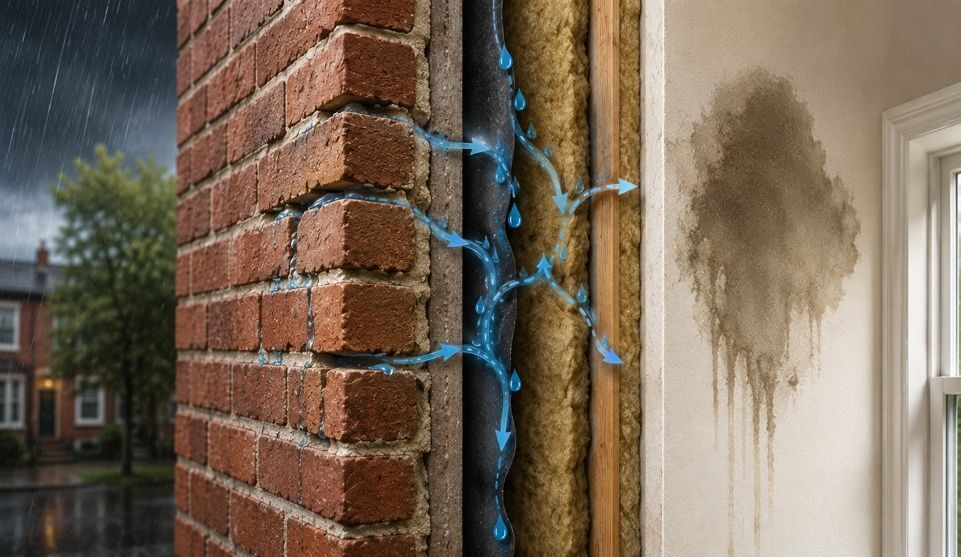
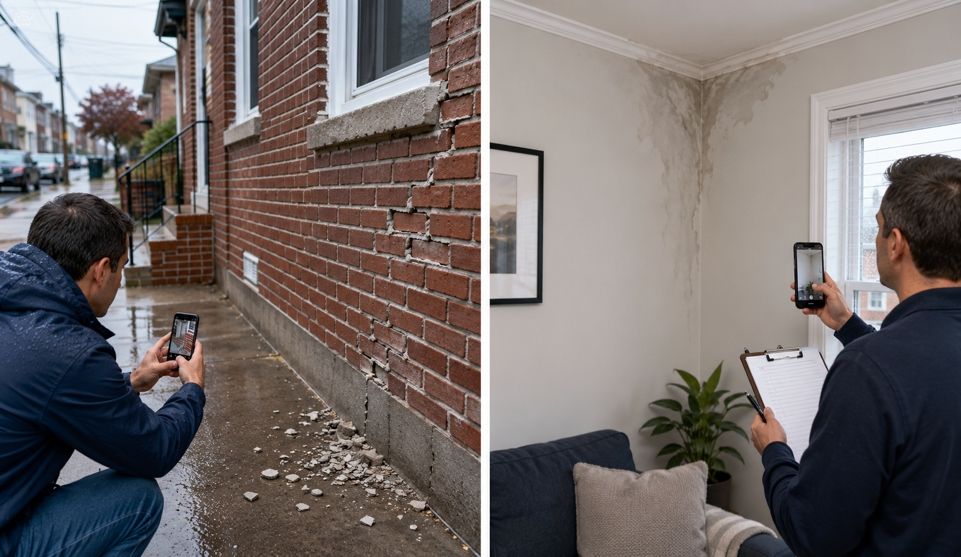
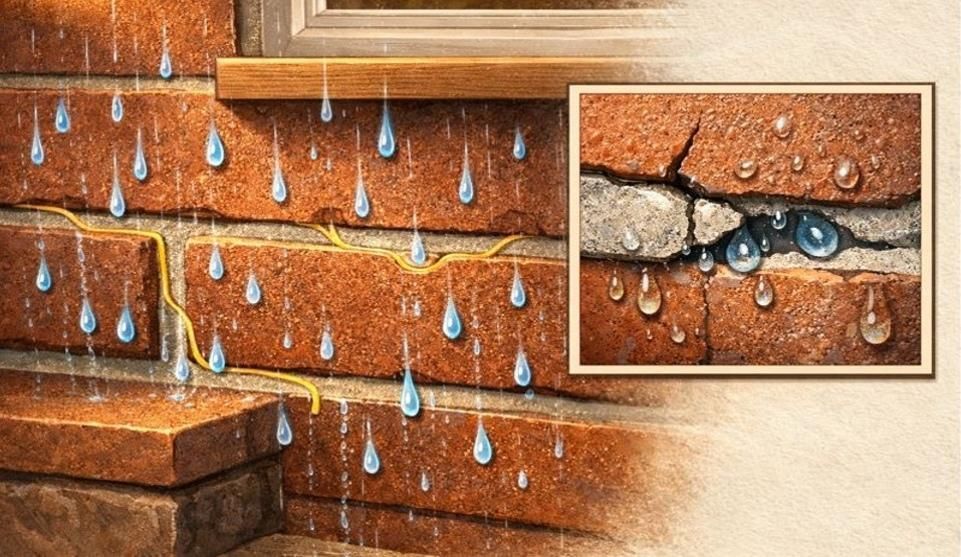
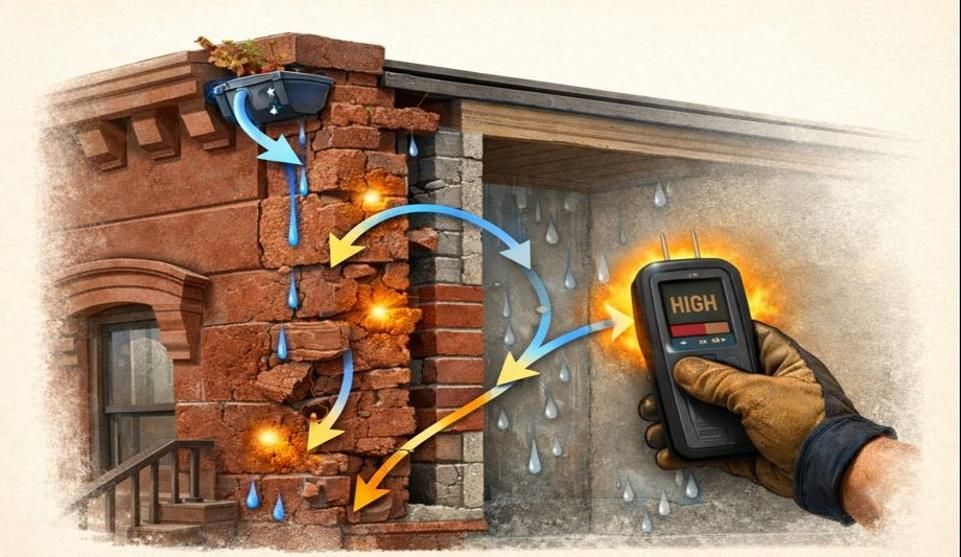
Water stains on ceilings, discoloration of walls, and damp attic spaces are all telltale signs of roof leaks. Often, homeowners assume indoor water stains are minor cosmetic issues or condensation problems, ignoring the fact that the leak’s source may be a compromised roof.
Consequences of Delay
Persistent leaks can lead to structural deterioration, mold growth, and even electrical hazards if water reaches wiring. On average, repairing interior water damage can range from $500 to $3,000, while untreated leaks that affect framing and insulation may necessitate complete roof replacement.
Prevention and Action
Immediate attention is crucial. Conduct routine inspections, particularly after heavy rain or snowfall. Ensure flashing around vents and chimneys is intact and seals are watertight. A professional roofer can identify hidden leaks before they become emergencies.
3. Poor Roof Ventilation
Understanding Ventilation
Proper ventilation maintains airflow in the attic, preventing excessive heat and moisture buildup. Many homeowners neglect ventilation systems, believing insulation alone is sufficient. Inadequate ventilation causes moisture accumulation, which can warp roof decking, accelerate shingle deterioration, and promote mold growth.
Real-World Impacts
A poorly ventilated roof often leads to higher energy bills due to trapped heat and can shorten roof lifespan by 10–15 years. Repairing damage caused by ventilation issues, such as replacing warped decking or insulation, can cost $1,500–$5,000 depending on severity.
Solutions and Maintenance
Install ridge vents, soffit vents, and attic fans as necessary. Regular inspections should focus on attic temperature, visible moisture, and signs of sagging or rot. Correcting ventilation early safeguards both your roof and your energy budget.
4. Clogged Gutters and Downspouts
Why Gutters Matter
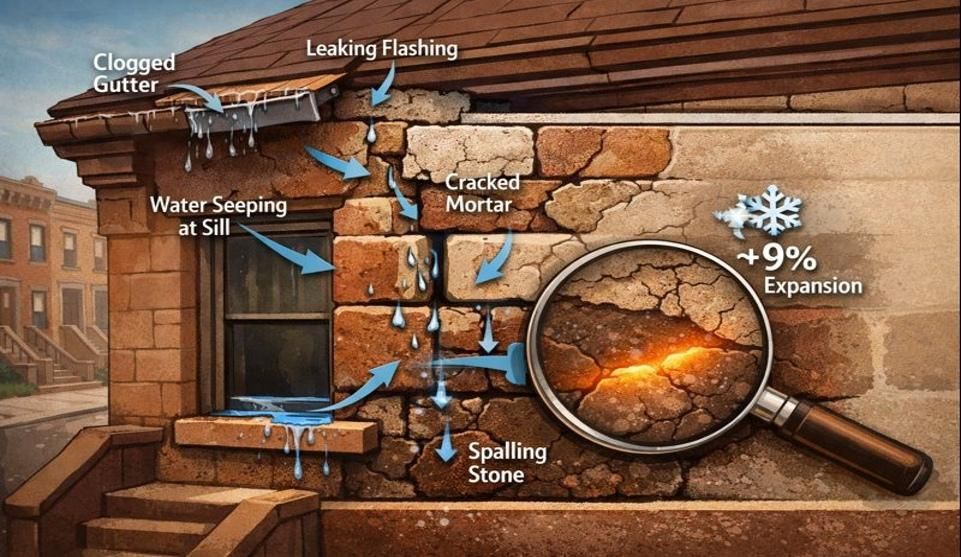
Gutters are designed to channel water away from your roof and foundation. Ignoring clogged gutters allows water to pool, causing leaks, ice dams, and even foundation damage. Homeowners often underestimate the connection between gutters and roof longevity.
Consequences of Neglect
Overflowing water can seep under shingles, rot fascia boards, and compromise structural support. Ice dams in colder climates can lift shingles, creating gaps for water infiltration. Repair costs for water damage caused by gutter issues range from $500 for minor repairs to $10,000 for severe structural problems.
Expert Tips
Clean gutters at least twice a year, ideally in spring and fall. Install gutter guards to reduce debris accumulation and monitor downspout flow during heavy rain. Professional gutter inspection ensures water is properly directed away from your roof and foundation.
5. Roof Flashing Problems
Understanding Flashing
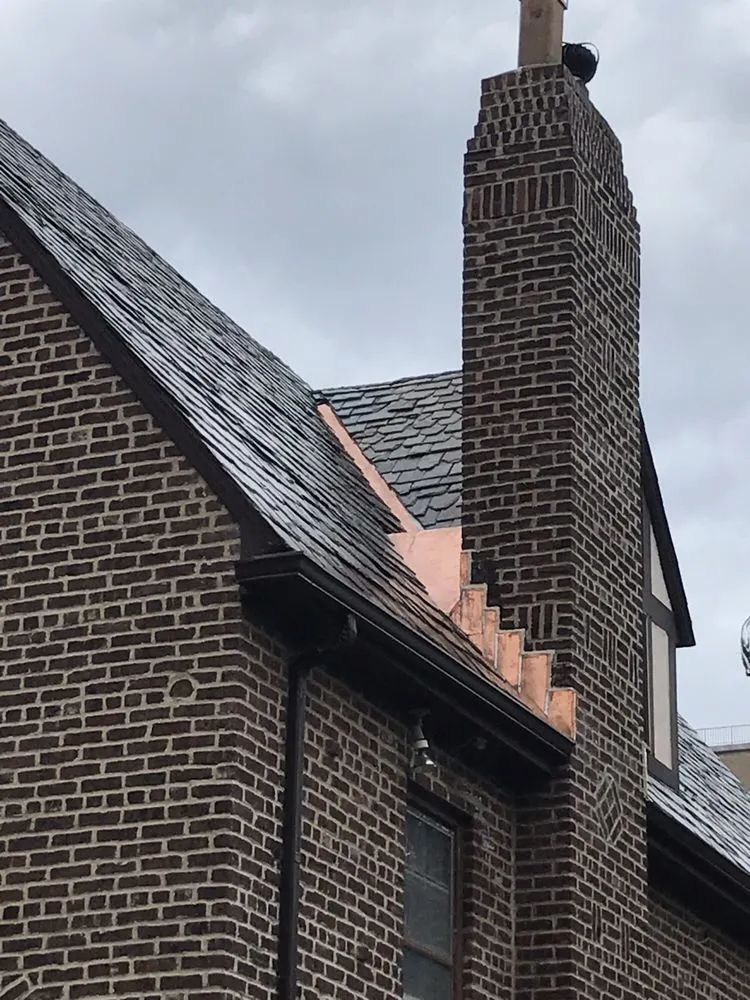
Flashing is the metal or composite material installed around roof features such as chimneys, vents, and skylights to prevent water penetration. Homeowners often overlook flashing damage, assuming it’s minor, yet even a small gap can allow water to enter your home.
Costly Implications
Damaged flashing can lead to leaks, wood rot, and mold infestations. Repairing flashing costs $150–$600 per area, but widespread water damage may require full roof replacement, with costs significantly higher.
Preventive Measures
Inspect flashing annually for rust, cracks, or loose segments. Seal gaps with high-quality roofing cement and ensure proper installation by a licensed professional. Investing in quality flashing repair reduces the risk of expensive water-related damage.
6. Mold, Algae, and Mildew Growth
Signs and Risks
Dark streaks or green patches on shingles are not just cosmetic concerns; they indicate mold or algae growth. Moist environments, poor ventilation, and trapped debris accelerate fungal development. Homeowners may ignore this issue, assuming it’s superficial, but it can cause shingle deterioration and structural weakening.
Financial Implications
Ignoring mold and algae can shorten roof lifespan and necessitate costly replacement. Mold remediation costs can range from $500 to $4,000, depending on affected areas. Algae removal, while less expensive, requires professional cleaning to prevent damage.
Mitigation Strategies
Trim overhanging branches to reduce shade, maintain gutters, and install zinc or copper strips along the roof ridge to inhibit growth. Regular inspections and cleaning can prolong roof life and prevent expensive remediation.
7. Ice Dams and Winter Damage
How Ice Dams Form
In colder climates, ice dams form when heat escaping from the attic melts snow on the roof, which then refreezes at the eaves. Homeowners may not recognize the hazard, but ice dams can lift shingles and allow water to penetrate into the home.
Potential Costs
Water intrusion from ice dams can cause insulation damage, wall and ceiling stains, and structural issues. Minor repairs may start at $500, while severe cases of ice dam-related water damage may exceed $10,000.
Prevention and Best Practices
Ensure proper insulation and ventilation to maintain uniform attic temperatures. Remove heavy snow using safe roof rakes and consider professional snow removal services for large accumulations. Prevention saves significant repair costs and maintains roof integrity.
8. Structural Sagging or Roof Deck Issues
Identifying the Problem
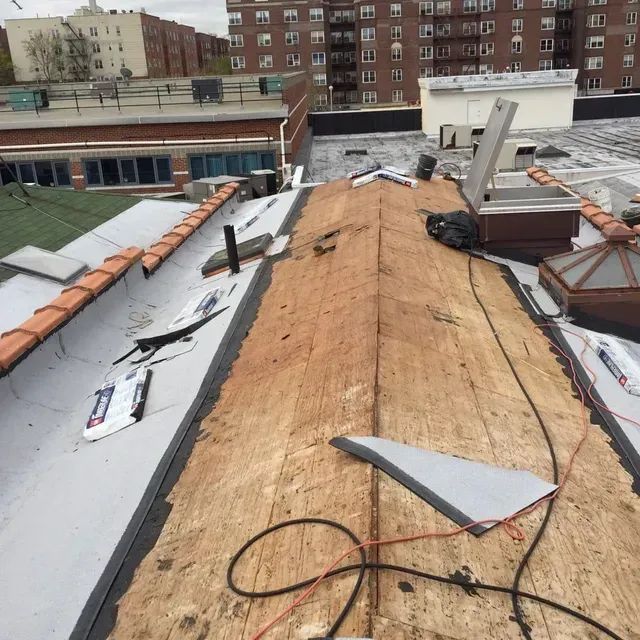
Sagging roofs, uneven slopes, or visible bowing of decking are clear signs of structural issues. Homeowners often attribute sagging to natural settling, but these symptoms usually indicate compromised support beams, water damage, or material fatigue.
Long-Term Costs
Ignoring structural sagging can lead to roof collapse, interior water damage, and serious safety hazards. Repairing structural decking or framing ranges from $2,000 to over $15,000 depending on the scope of damage.
Expert Recommendations
Schedule professional inspections if you notice sagging or unevenness. Reinforce or replace compromised decking, and address underlying issues such as leaks or inadequate ventilation. Early intervention ensures both safety and cost efficiency.
Trusted Professionals Helping Prevent Expensive Roof Repairs
Proper roof maintenance is essential to protecting your home and investment. From missing shingles and water leaks to ventilation issues and mold growth, many common roofing problems are often overlooked by homeowners, leading to serious financial and structural consequences. Routine inspections, prompt repairs, and preventative measures are key strategies for extending the life of your roof while minimizing repair costs. Ignoring small issues can escalate quickly, resulting in thousands of dollars in damage and the inconvenience of major renovations. Recognizing warning signs and taking timely action is not just about preserving your property’s value; it’s about ensuring the safety and comfort of your home.
At City Suburb, based in Queens, NY, we have 20 years of experience helping homeowners identify and address roofing problems before they become costly emergencies. Our team of licensed professionals understands the complexities of roof systems and provides thorough inspections, reliable repairs, and proactive maintenance solutions. We combine expert knowledge with practical strategies to deliver long-term protection for your home. Whether you’re dealing with minor shingle damage, water intrusion, or ventilation concerns, City Suburb prioritizes quality workmanship, clear communication, and a customer-focused approach. We aim to educate homeowners about potential issues, recommend cost-effective solutions, and ensure that every roof we service meets the highest standards of safety and durability.
Investing in professional roofing services with City Suburb
ensures peace of mind and maximizes the lifespan of your home’s most vital protective layer. By addressing problems early, you avoid extensive damage, reduce repair costs, and maintain the structural integrity of your property. Our commitment to excellence, combined with years of local experience, positions us as a trusted authority for homeowners throughout Queens and beyond. Protect your investment, enhance your home’s value, and ensure long-term safety by partnering with City Suburb
for all your roofing needs. Your roof deserves attention and care—don’t wait until minor issues turn into major expenses.