10 Signs You’re Ready for a Roof Replacement — And How Professional Installation Saves You Money
Your roof is more than just a protective layer over your home—it’s a vital component that shields your family, belongings, and property value from the elements. Over time, exposure to harsh weather conditions, aging materials, and wear and tear can compromise your roof’s integrity. Recognizing when it’s time for a replacement isn’t always straightforward, but paying attention to early warning signs can save you from costly repairs or even structural damage down the line. Understanding these indicators ensures your home remains safe, energy-efficient, and visually appealing.
While some homeowners may attempt DIY fixes or delay repairs, professional roof replacement offers benefits that far outweigh short-term savings. A properly installed roof not only extends the lifespan of your home’s structure but also prevents recurring issues such as leaks, insulation damage, and energy inefficiency. In this guide, we’ll explore ten clear signs that signal it’s time for a roof replacement and explain how professional installation can actually save you money in the long run. By understanding both the warning signs and the value of expert work, homeowners can make informed decisions that protect their investment and enhance the overall safety and comfort of their property
Visible Damage to Shingles and Roofing Materials
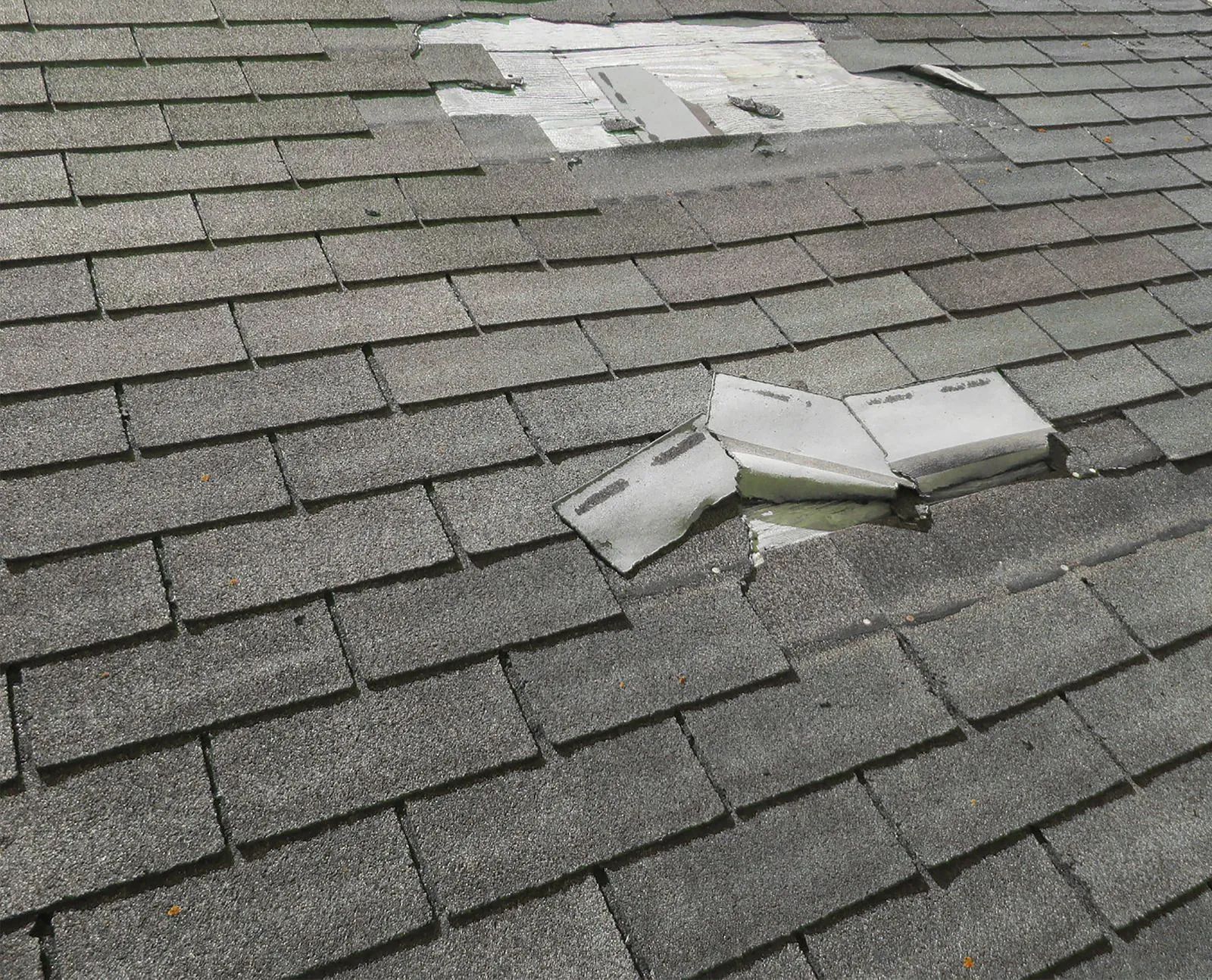
Curling, Cracking, or Missing Shingles
Shingles act as the first line of defense against rain, snow, and wind. When edges curl, surfaces crack, or shingles go missing entirely, your roof struggles to maintain protection. These problems often result from prolonged sun exposure, heavy storms, or age. Even minor damage can allow water to penetrate beneath, causing leaks and structural deterioration over time.
Granule Loss and Faded Color
Granule loss on asphalt shingles is a subtle but critical warning. Granules shield shingles from UV damage and aid in water runoff. When granules accumulate in gutters or driveways, it signals the roof nearing the end of its lifespan. Faded colors, particularly uneven fading, indicate the protective coating is deteriorating and unable to maintain weather resistance.
Professional Insight
Professional roofers assess visible damage to determine if repair or full replacement is necessary. They identify hidden problems often invisible to homeowners, including weakened underlayers or unnoticed leaks. Timely replacement by experts prevents water damage, mold, and insulation issues. Addressing shingles early maintains roof integrity, prolongs lifespan, and avoids expensive repairs that could result from neglecting even minor shingle deterioration.
Leaks and Water Damage
Persistent Interior Leaks
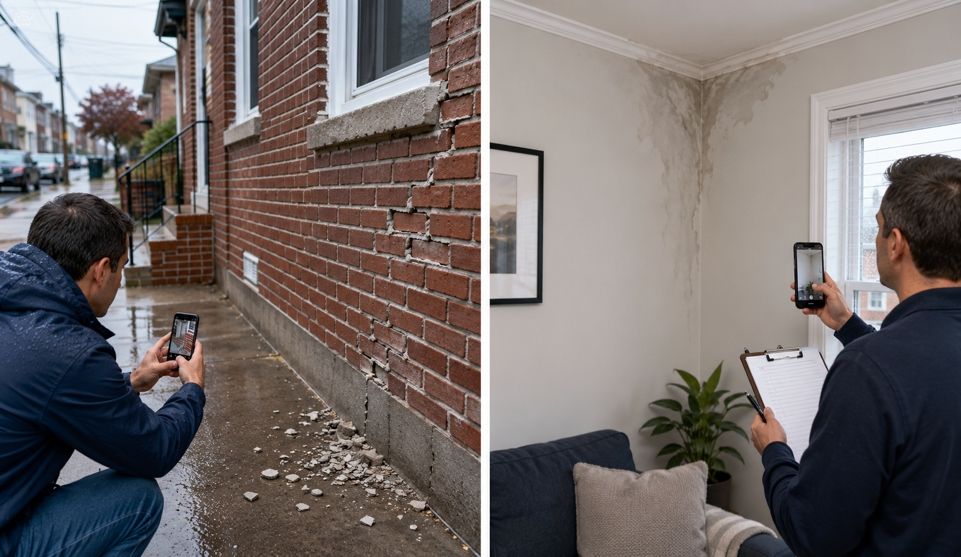
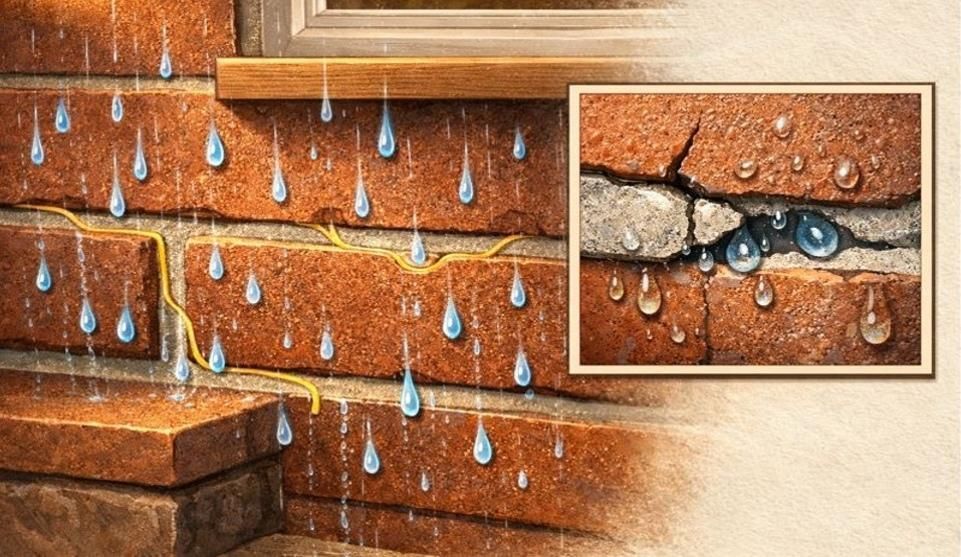
Recurring leaks inside a home are a clear sign of roof failure. Water stains on ceilings, walls, or attic spaces indicate compromised waterproofing. Even small leaks can worsen over time, weakening structural integrity. Detecting leaks early prevents further damage, reduces repair costs, and ensures the home remains safe, dry, and structurally sound before more serious problems develop.
Mold and Mildew Growth
Excess moisture from leaks encourages mold and mildew growth. These fungi damage roofing materials and pose health risks. Black or green spots on walls, musty odors, and respiratory issues indicate water infiltration. Addressing leaks promptly prevents mold expansion. Professional roofing ensures proper waterproofing, stopping moisture from recurring, preserving both the home’s structural integrity and the well-being of its occupants.
Hidden Costs of Ignoring Leaks
Ignoring leaks increases long-term repair costs significantly. Water infiltrates insulation, electrical wiring, and wooden beams, creating major restoration needs. Professional roof replacement ensures correct sealing and waterproofing, preventing recurring problems. Investing in a full replacement addresses both visible damage and hidden issues, saving homeowners repeated patchwork repair costs and providing long-term protection, efficiency, and peace of mind for years to come.
Age and Material Lifespan
Roof Age as a Predictor
Roofing materials have specific lifespans, such as asphalt shingles lasting 20–25 years, while metal, tile, and slate roofs endure 30–50 years. As roofs age, minor problems become more frequent, signaling replacement needs. Awareness of material lifespan helps homeowners plan for maintenance or replacement. Timely action ensures protection, efficiency, and cost savings before severe deterioration occurs, extending roof performance.
Common Aging Signs
Older roofs show multiple aging indicators: sagging areas, brittle shingles, excessive granule loss, and frequent leaks. These factors reduce protection and energy efficiency, raising costs. Age-related deterioration compromises the home’s structural performance, increasing heating and cooling demands. Recognizing these signs early allows homeowners to replace roofs before major failures, ensuring long-term stability, comfort, and financial savings while avoiding emergency repairs.
Cost Efficiency of Timely Replacement
Replacing an aging roof proactively prevents costly emergencies. Emergency repairs, water damage restoration, and temporary fixes often surpass replacement costs. Professional roofing experts recommend suitable materials for durability, energy efficiency, and budget, maximizing the lifespan of the new roof. Timely replacement safeguards the home, minimizes long-term expenses, and guarantees value, comfort, and security over decades without repeated maintenance interruptions.
Structural Issues and Sagging
Sagging Roof Deck
Sagging roofs indicate structural compromise. Uneven areas or dips may suggest rotting wood, water damage, or weakened trusses. Prolonged moisture exposure, poor ventilation, or snow accumulation often causes sagging. Even slight depressions should not be ignored, as they can escalate into dangerous conditions. Addressing structural issues early protects the home’s framework and prevents potentially costly and hazardous roof failures.
Bowing and Soft Spots
Soft spots or bowing in the attic roof deck signal vulnerability to collapse. Walking on the roof or attic may reveal these areas, which indicate underlying damage. Even minor bowing can lead to significant hazards if untreated. Professional evaluation identifies weaknesses and determines whether reinforcement or full replacement is needed, ensuring safety and avoiding expensive emergency repairs caused by deteriorating structural components.
Professional Evaluation and Safety
Roofing experts identify structural weaknesses early and recommend necessary reinforcements or replacement. Professional installation addresses both visible and hidden issues, preventing catastrophic failures. Proactive roof replacement is more cost-effective than waiting for a collapse. Expert guidance ensures proper support, material selection, and installation. Homeowners benefit from safer, longer-lasting roofs while minimizing repair costs and avoiding emergency structural failures.
Energy Efficiency and Rising Utility Costs
Unexplained Energy Bills
A failing roof reduces energy efficiency. Damaged or deteriorating materials compromise insulation, forcing heating and cooling systems to work harder. This often leads to rising utility bills despite consistent energy use. Timely roof replacement improves insulation performance, lowers costs, and maintains comfortable indoor temperatures, ensuring a home’s climate control is effective without unnecessary energy expenditure or increased utility expenses.
Insulation and Ventilation Problems
Professional roof replacement includes proper insulation and ventilation installation. Correct airflow in the attic maintains stable temperatures year-round, reducing HVAC workload. Addressing insulation and ventilation improves energy efficiency and home comfort. Poor installation can cause persistent hot or cold spots and higher costs. Professional roofs prevent these issues while prolonging material lifespan and providing optimal energy performance for years after installation.
Long-Term Savings
Installing a new energy-efficient roof may qualify for tax credits or rebates, further reducing costs. Professional roof replacement increases home efficiency, prolongs material lifespan, and avoids recurring repair expenses. Expert installation ensures proper insulation, ventilation, and material performance. Over time, homeowners save money on energy bills and maintenance, protecting their investment while enhancing comfort, durability, and the overall value of their home.
The Financial Advantage of Professional Installation
Avoiding Repeated Repairs
DIY fixes or unlicensed contractors may provide temporary relief, but recurring issues often follow. Professional roofers ensure materials are correctly installed, shingles aligned, and flashing sealed. Expert installation reduces the need for future repairs, protecting structural integrity and homeowner investment. Addressing both visible and underlying problems initially is the most cost-effective approach, preventing repeated expenses and frustration caused by ineffective repairs.
Warranty and Insurance Benefits
Professional roof replacements come with warranties covering labor and materials. In case of future problems, homeowners avoid unexpected repair costs. Many insurance policies require certified installations for coverage eligibility, protecting both the homeowner and property. Choosing an expert roofing company ensures that materials, labor, and insurance requirements are properly handled, delivering peace of mind, financial protection, and long-term value.
Quality Materials and Expert Techniques
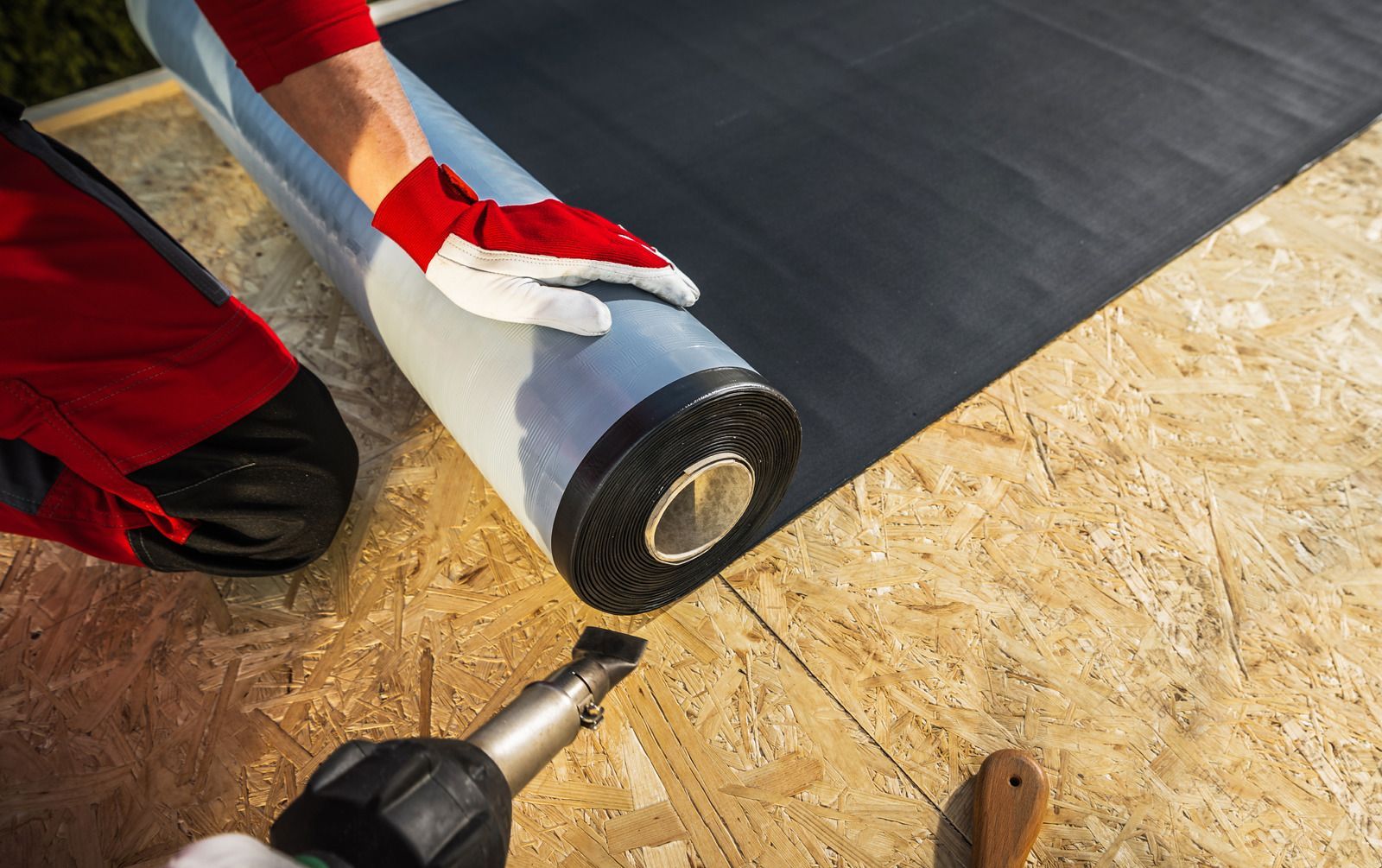
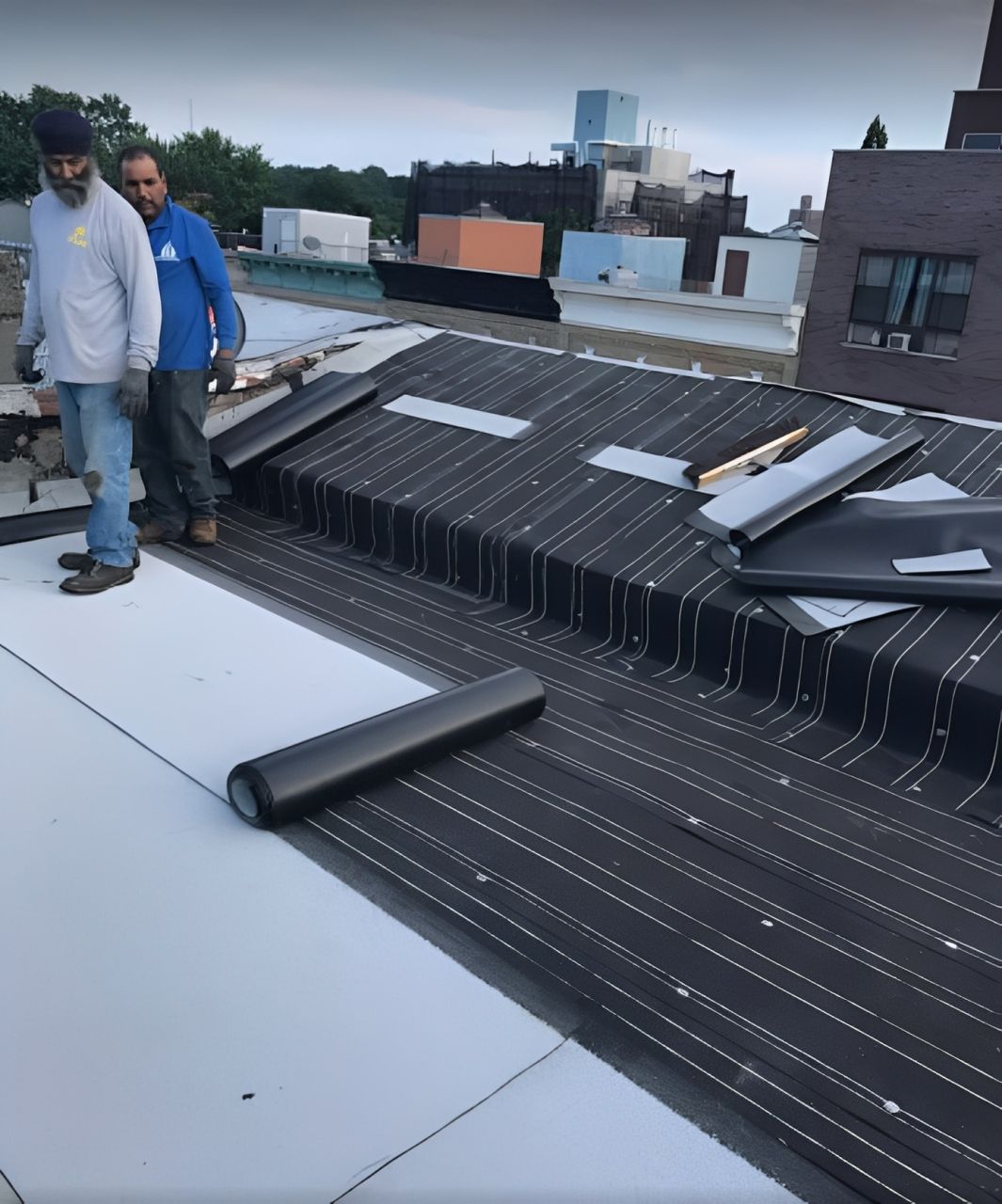
Experienced roofers select high-quality materials and use proven installation methods to maximize durability and resilience. Professional installation addresses underlying damage and ensures correct application, reducing emergency repairs. Expert techniques extend roof life, increase energy efficiency, and improve protection. Homeowners benefit from a safe, long-lasting roof and avoid costly repairs resulting from substandard materials or improper DIY installation practices over time.
Trusted Roofing Experts Committed To Your Home Safety
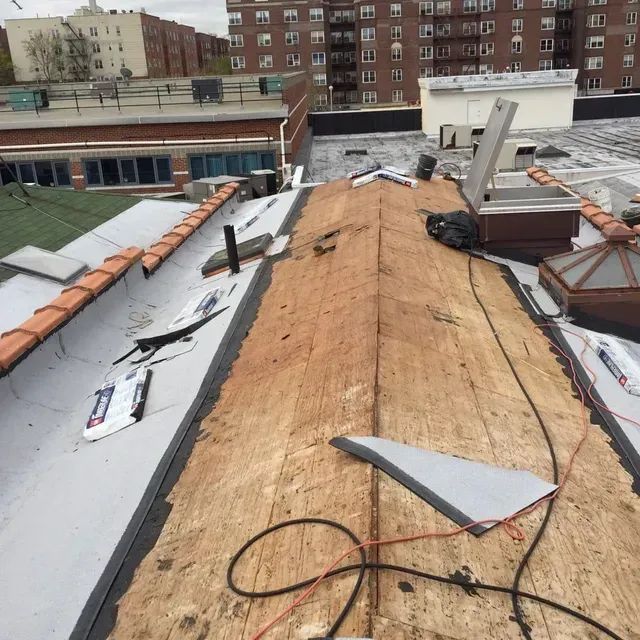
Replacing a roof is a significant investment, but recognizing the warning signs early can prevent serious damage and costly repairs. From visible shingle damage and persistent leaks to structural sagging, rising energy costs, and age-related wear, these indicators highlight the importance of timely action. Choosing professional installation ensures your new roof performs effectively, lasts longer, and offers financial and safety advantages that DIY or delayed repairs cannot match.
City Suburb, based in Queens, NY, has 20years of experience providing reliable, high-quality roof replacements. Our team combines expert knowledge, industry-leading materials, and precise installation techniques to protect your home and enhance its value. We understand the unique challenges homeowners face and provide tailored solutions that save time, reduce costs, and offer peace of mind. With City Suburb, you benefit from trusted service, professional guidance, and a roof designed to withstand the elements while preserving your home’s comfort and integrity.