Do You Need a Permit? Navigating LPC Rules for Brownstone Façade Repair
📌 Key Takeaways
LPC permit requirements hinge on two questions: Is your property designated as a landmark or within a historic district, and does your work restore existing features or alter protected elements?
- Check Designation First: Use the official LPC mapping tool to confirm your property's status before contacting contractors—assumptions about district boundaries cost time and money.
- Restoration Usually Qualifies for Staff Review: In-kind repairs like repointing or brownstone patching that match original materials often proceed through Permit for Minor Work without public hearings.
- Alteration Triggers Rigorous Review: Removing cornices, resizing openings, or changing façade materials almost always require a Certificate of Appropriateness with longer timelines and community consultation.
- Specialists Handle the Paperwork: Contractors experienced with historic properties file through Portico, coordinate DOB permits when needed, and create test panels that demonstrate material compatibility upfront.
- Violations Outlast the Repair: Skipping required approvals can trigger stop-work orders, fines, refinancing complications, and disclosure requirements that affect future property sales.
Confirm first, repair right, protect your investment.
Brooklyn brownstone owners navigating façade repairs will gain a clear decision framework here, preparing them for the detailed step-by-step guidance that follows.
You spot the flaking. The loose mortar. The small crack that wasn't there last year. And then comes the worry: Do I need permission to fix my own home?
It's a familiar feeling for Brooklyn brownstone owners. You want to protect your home's character, but the thought of navigating city agencies, filing paperwork, or accidentally triggering a violation can feel overwhelming. The good news? You don't need to become an expert in government processes. You just need a clear path to confirm what applies to your specific property and repair.
Here's what determines whether you need approval from the NYC Landmarks Preservation Commission:
- Check if your building is an NYC landmark or inside a historic district using the official LPC map.
- If the work is truly in-kind repair and doesn't need a Department of Buildings permit, it may qualify as a Permit for Minor Work.
- If the work affects protected architectural features or doesn't meet LPC guidelines, you may need a Certificate of Appropriateness.
- When in doubt, confirm your specific requirements with LPC or hire a contractor who files through the city's Portico system.
Let's walk through exactly how to figure out what you need.
The Quick Answer (It Depends on Two Things)
Whether you need LPC approval comes down to two straightforward questions. First, is your property designated? That means it's either an individual landmark or sits within a historic district. Second, what's the scope of your work? The distinction between faithful, in-kind masonry repair and visible architectural changes matters significantly.
These two factors work together. If your property is not an individual landmark and sits outside any historic district, you typically won't need LPC approval at all. But if you are designated—either individually or within a district—even routine maintenance can require a closer look, especially if the repair involves protected features like stoops, cornices, or ornamental details.
The other layer is whether your project triggers Department of Buildings requirements. Some façade work needs DOB permits for structural reasons, and that can shift which LPC approval pathway applies. Don't think of it as "LPC or DOB." Sometimes it's both, and the order matters.
Step 1—Confirm Your Landmark Status (Before You Call Anyone)
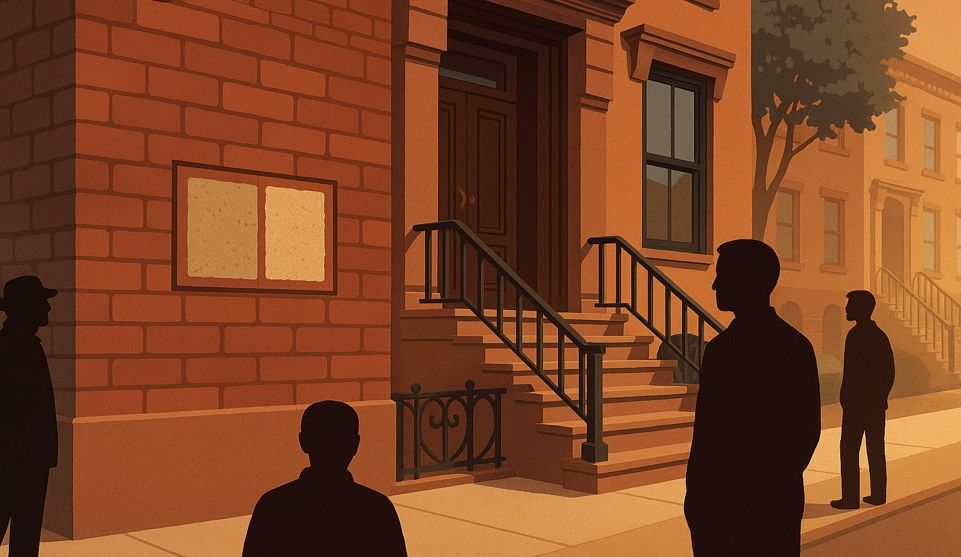
Before you reach out to contractors or start planning repairs, spend five minutes confirming your property's status. The NYC Landmarks Preservation Commission maintains an official mapping tool called Discover NYC Landmarks. Enter your address, and you'll see whether your building is individually designated, sits within a historic district, or is outside LPC jurisdiction entirely.
This step matters because assumptions can get expensive. You might think your entire block is designated when only half of it is, or you might assume you're clear when a district boundary runs right through your street. We've seen neighbors on the same block face completely different requirements because one side falls within Fort Greene Historic District and the other doesn't.
A note on location: Brooklyn and the Bronx are in New York City, where LPC rules apply to designated properties. Parts of Long Island are outside NYC, so they fall under different local agencies. If your property isn't in New York City, check with your local municipality's building and preservation departments to understand what requirements apply.
If the map shows you're not in a landmark area, you can typically proceed with repairs following standard DOB rules (if applicable). But if you are designated, keep reading—you'll want to understand the approval types before you make your next move.
Step 2—Understand the Main LPC Approval Types (In Plain English)
The LPC uses a few different approval pathways, and the names can sound more complicated than they actually are. Here's what each one means for homeowners.
Permit for Minor Work (PMW)
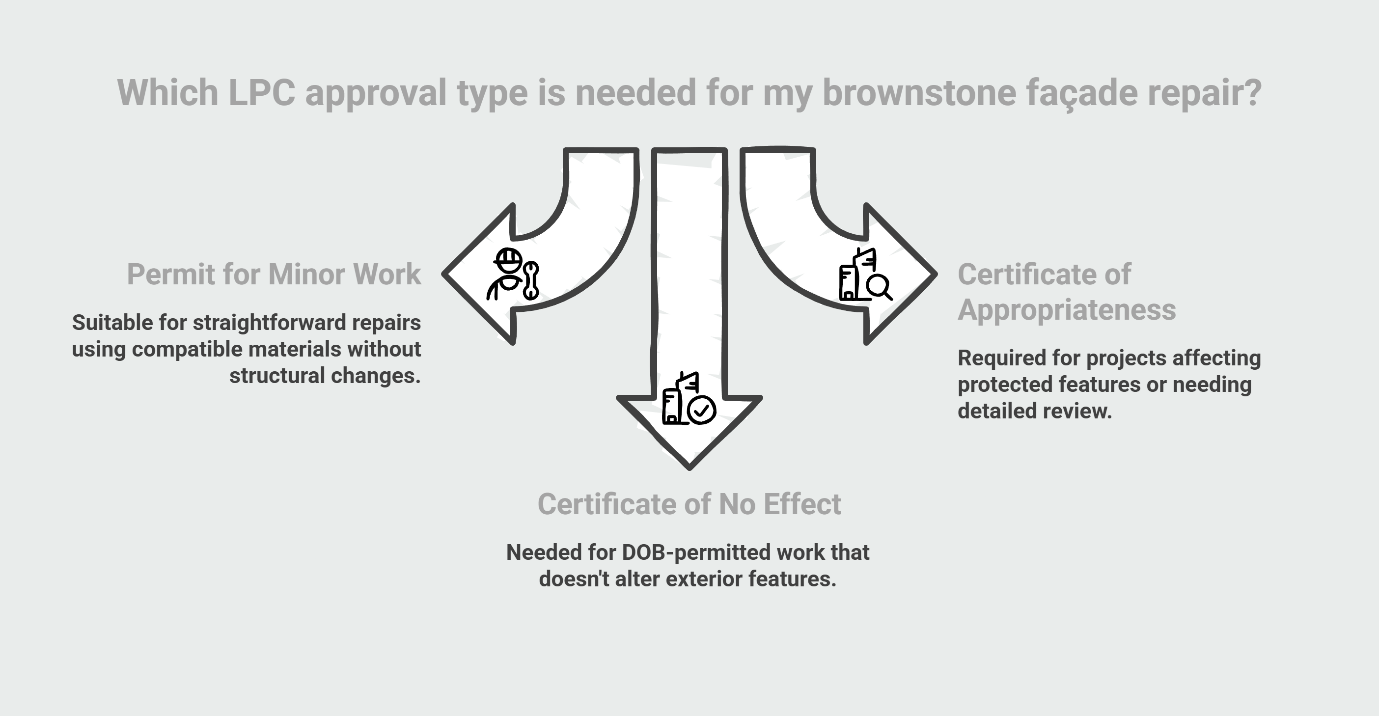
A Permit for Minor Work is designed for restorative, appropriate exterior work that doesn't require a DOB permit. Think of it as the "straightforward repair" category. If you're maintaining or restoring your façade using compatible materials and methods—and the work doesn't involve structural changes that need DOB review—this is often the right path.
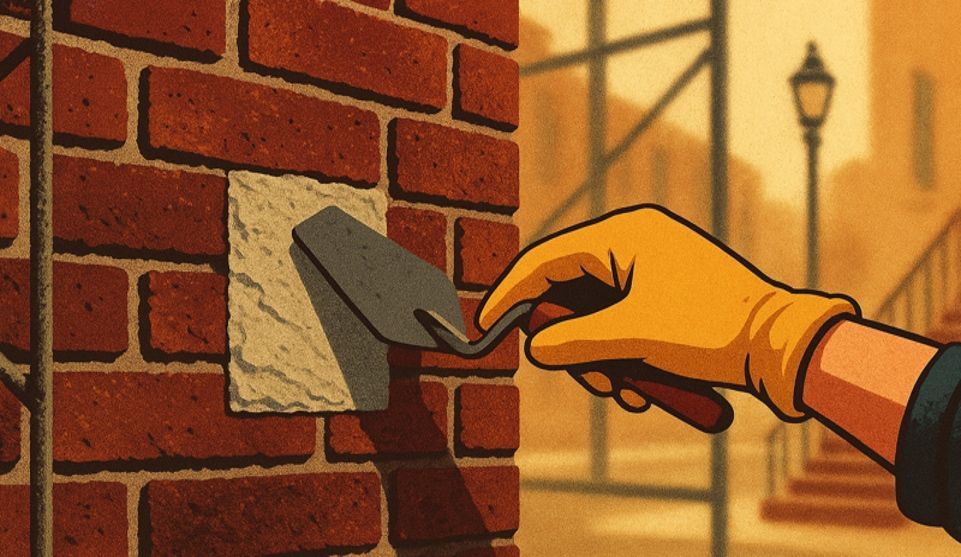
Common examples include masonry cleaning using approved gentle methods, brownstone resurfacing that matches the original material and finish, and repointing mortar joints with historically appropriate profiles. Simple mortar repointing with matching materials typically qualifies here when the work maintains the original mortar profile, color, and tooling.
The application process happens through the city's online Portico system, and reviews are typically handled at the staff level without public hearings.
Certificate of Appropriateness (C of A)
A Certificate of Appropriateness is needed when your project affects protected architectural features in ways that don't meet LPC guidelines, or when the scope of work is significant enough to require more detailed review. This pathway can involve community board consultation and, in some cases, a public hearing before the full Commission.
You're more likely to need a C of A if you're proposing changes to character-defining elements—things like removing ornamental cornices, altering historic railings, or resizing window openings. While restorative brownstone patching is scrutinized for color and texture match, it is often approved at the staff level if executed properly. However, significant alterations—such as changing the façade material entirely or removing a stoop—will almost always trigger this more rigorous review process.
Stoop, railing, and areaway repairs also warrant extra caution here, as these are frequently considered significant features. Lintel, parapet, and cornice work receives heightened scrutiny due to visibility and structural impact.
The process takes longer and requires more documentation, but it's the appropriate route when preservation concerns are higher.
Certificate of No Effect (CNE)
Certificate of No Effect (CNE) is required when your work requires a Department of Buildings permit but does not affect the building's protected architectural features. For example, internal structural work or plumbing that doesn't change the exterior appearance usually falls here. It bridges the gap between DOB safety requirements and LPC preservation standards.
Where DOB Fits In (Don't Treat It as 'Either/Or')
Some façade projects require Department of Buildings permits because they involve structural elements or exceed certain thresholds. For example, extensive parapet repairs or lintel replacements often need DOB review for safety reasons. When DOB involvement is required, it can affect which LPC approval you need and the order in which you file.
A good rule of thumb: if you're not sure whether DOB permits apply to your project, ask during your initial contractor consultations. A Brooklyn masonry contractor experienced with historic properties will know when structural permits are needed and can help you coordinate the approval sequence.
Step 3—Common Brownstone Façade Repairs: A Permit Reality-Check List
Let's look at specific repair types and what typically triggers review.
Repointing and mortar joint repair
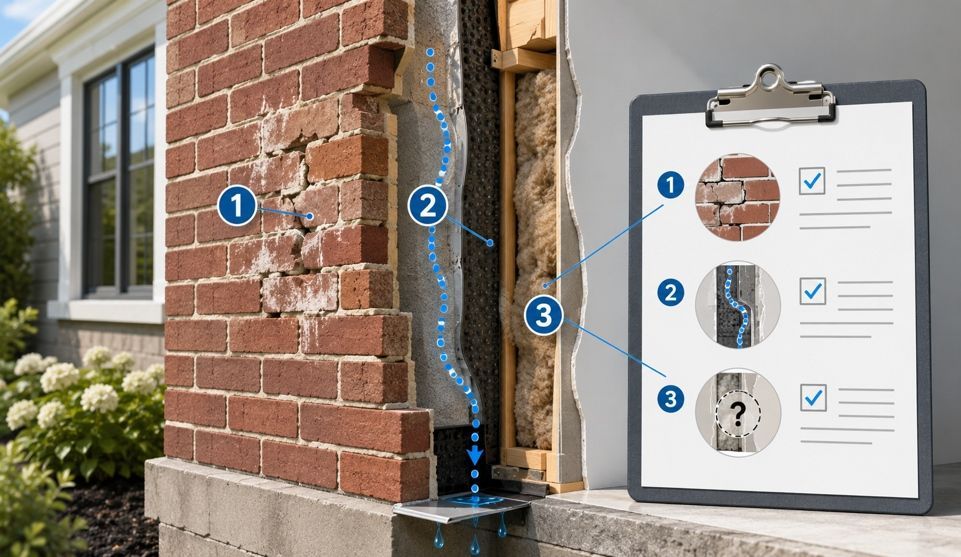
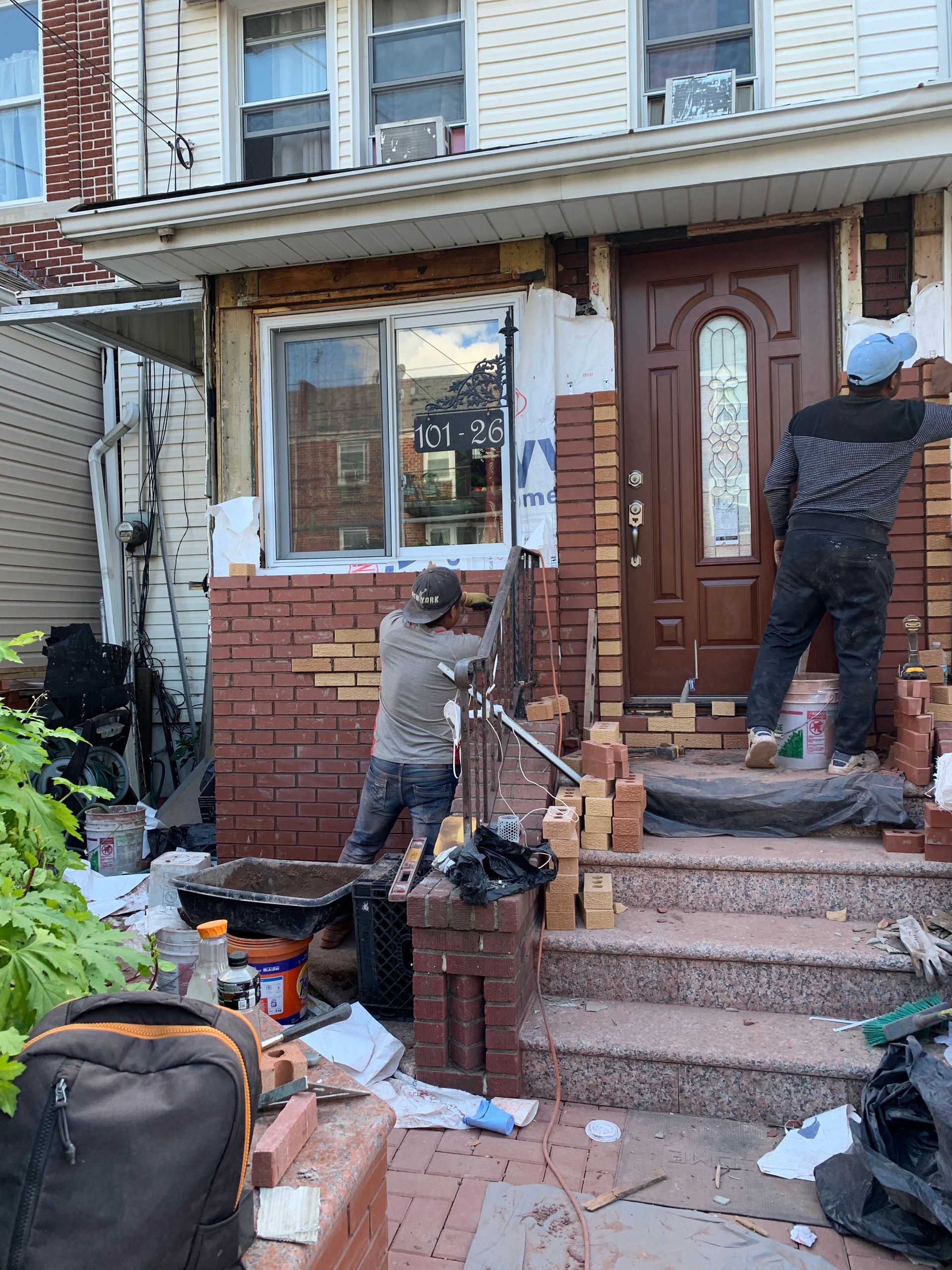
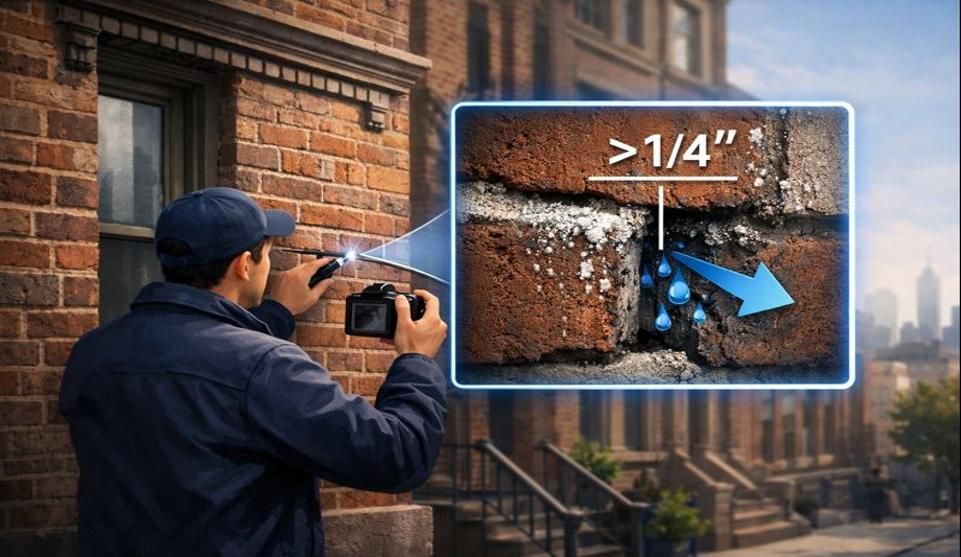
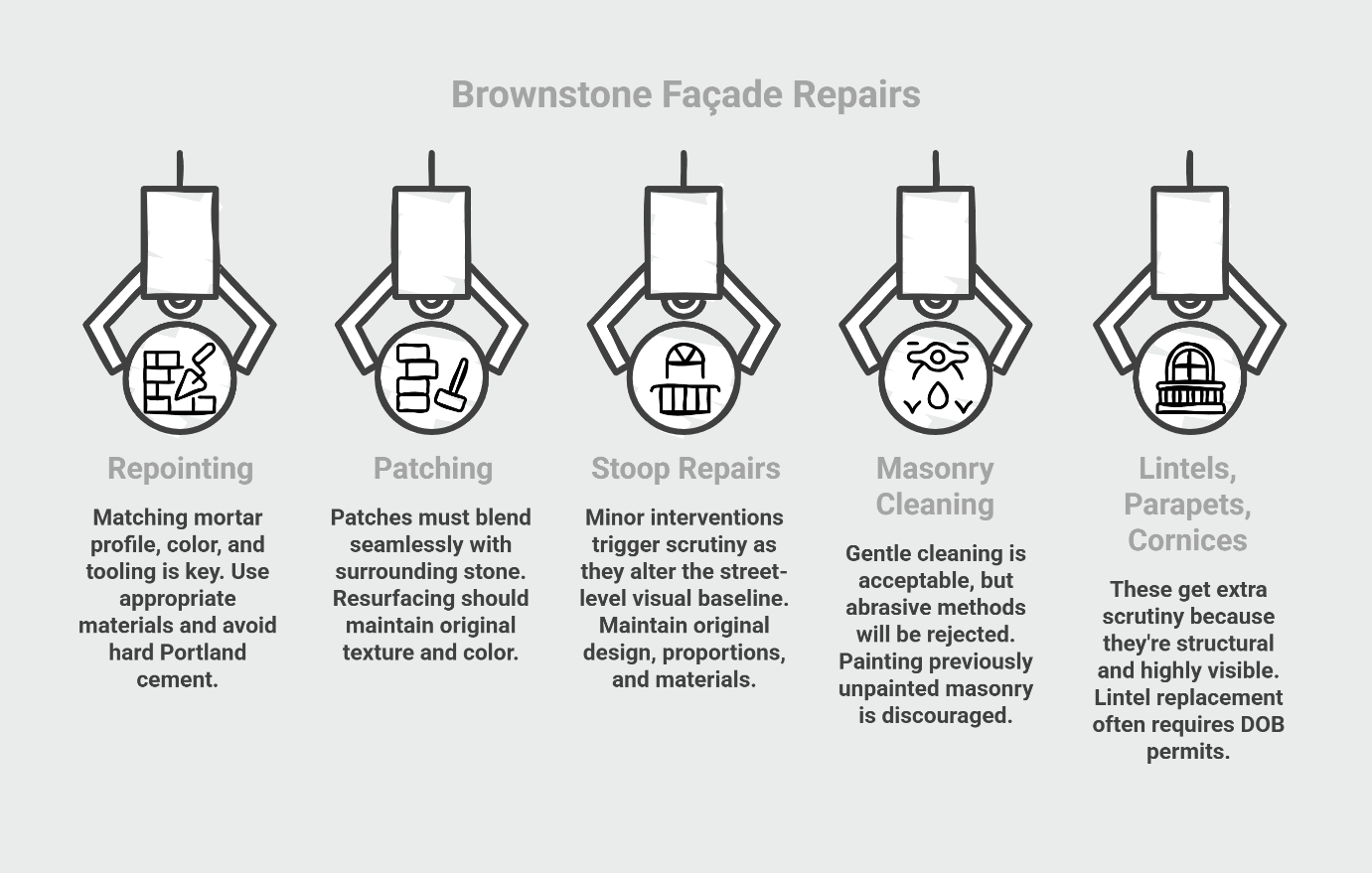
Repointing is one of the most common façade maintenance tasks. When done in-kind—matching the original mortar profile, color, and tooling—documentation is key. Be prepared to show that you're using appropriate materials (avoiding hard Portland cement) and matching the existing joint treatment. Photos of the current condition and samples of your proposed mortar mix can help streamline approval.
For a deeper understanding of brick pointing and mortar joint repair, we've created comprehensive guides that explain materials and techniques in detail.
Brownstone patching and resurfacing
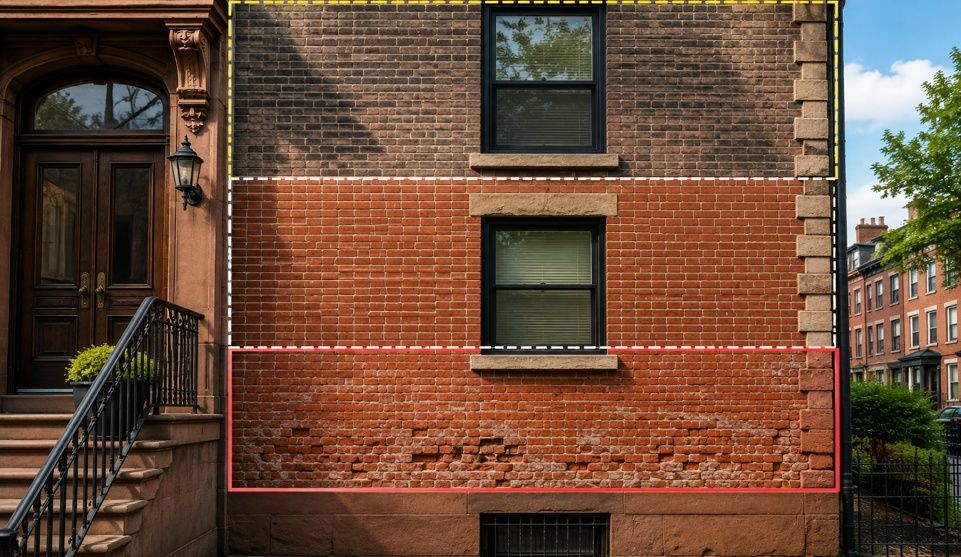
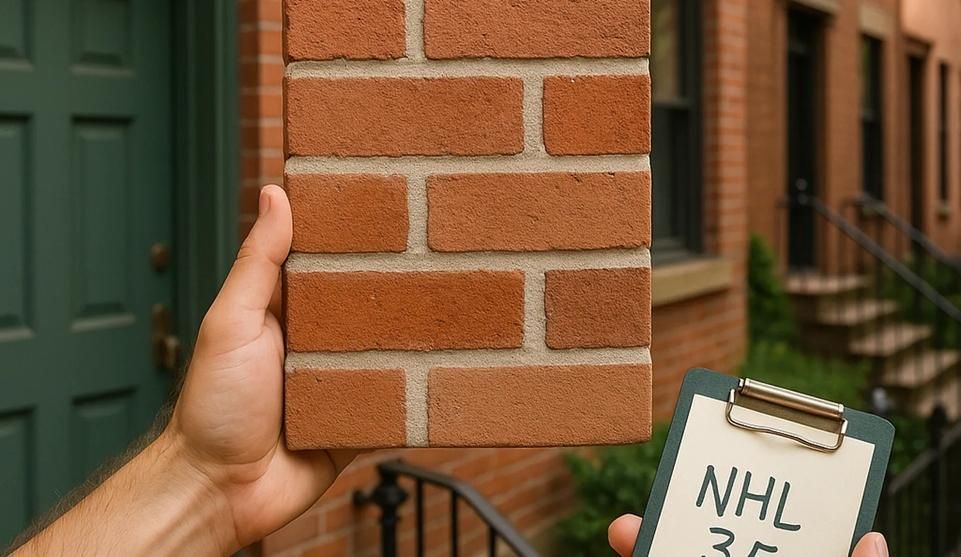
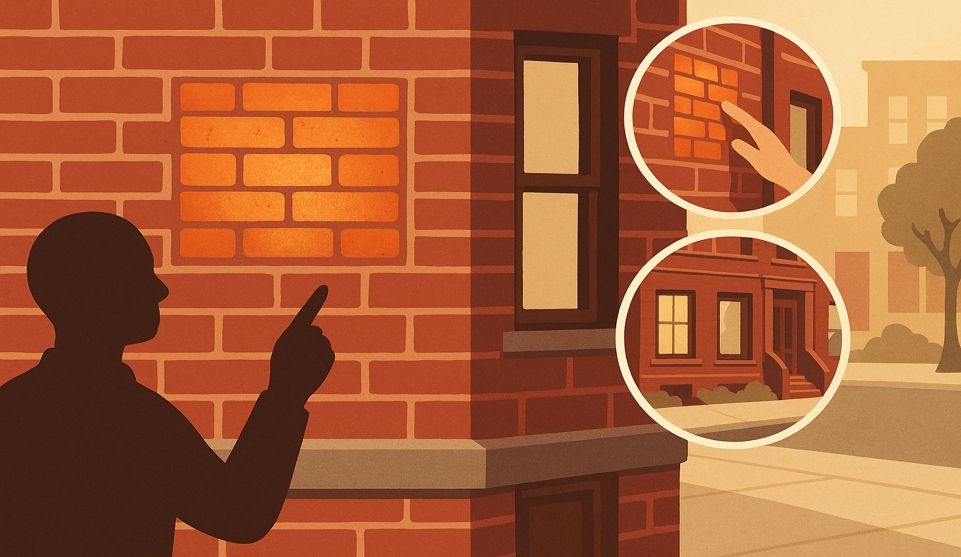
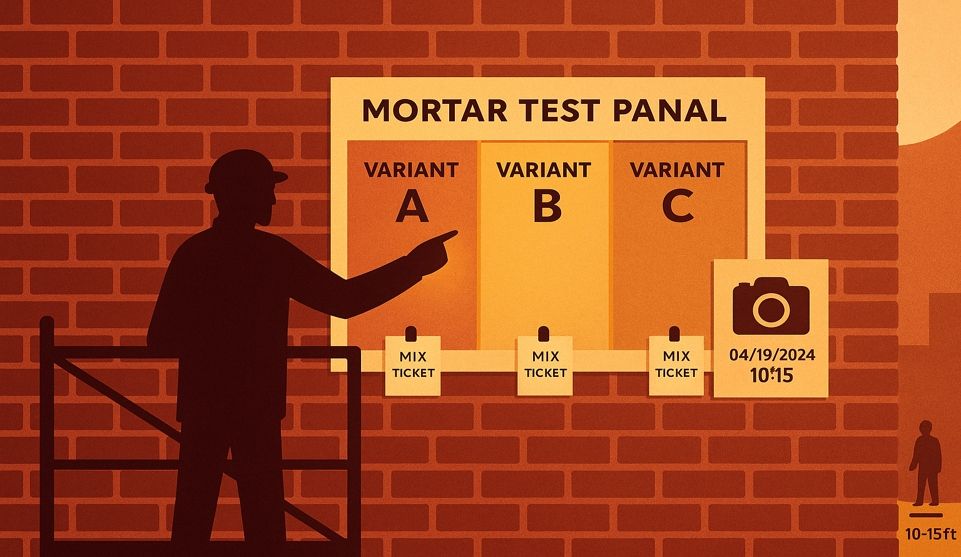
Brownstone patching and resurfacing almost always gets reviewed because the material itself is so distinctive and visible. The LPC wants to ensure patches blend seamlessly with the surrounding stone and that resurfacing maintains the original texture and color. Using compatible brownstone or an approved substitute, matched through test panels when helpful, shows you're serious about appropriate repair.
For broader context on masonry services and different approaches to façade work, our service overview explains how various techniques apply to different building types.
Stoop repairs, railings, and areaways
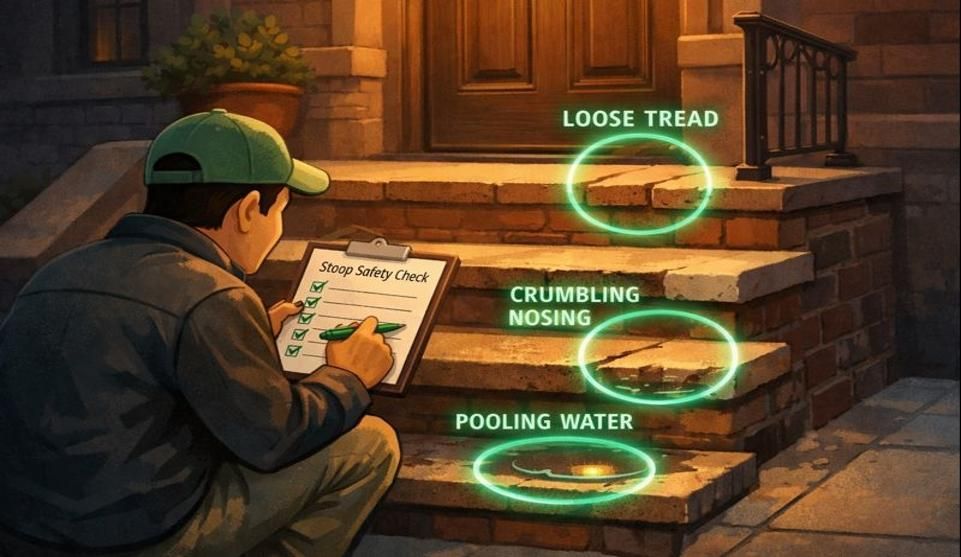
Stoops, railings, and areaways are frequently considered character-defining features of Brooklyn brownstones. Even minor interventions—like replacing a cracked tread or straightening a bent railing—trigger scrutiny because they alter the street-level visual baseline. The LPC looks at whether you're maintaining the original design, proportions, and materials. If you're replacing elements, expect questions about why repair isn't feasible and how the replacement will match.
Masonry cleaning and painting
Masonry cleaning and painting depends heavily on method. Gentle cleaning with approved low-pressure water or chemical treatments is generally acceptable, but abrasive methods like sandblasting can permanently damage historic brownstone and will be rejected. Painting previously unpainted masonry is typically discouraged unless you can demonstrate it matches an earlier historic treatment.
Lintels, parapets, and cornices
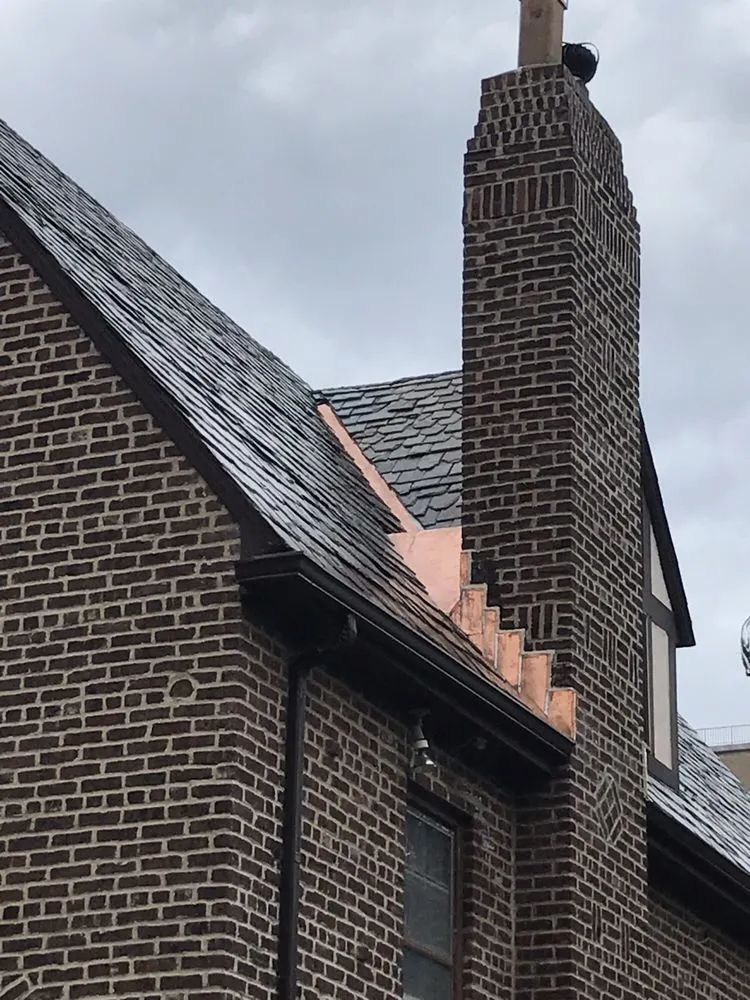
Lintels, parapets, and cornices get extra scrutiny because they're both structural and highly visible. Lintel replacement often requires DOB permits, which can affect your LPC pathway. Parapet and cornice repairs need careful documentation of existing conditions and proposed methods to ensure you're preserving the original design and craftsmanship.
Step 4—What Happens If You Skip Approvals (And Why It's Rarely Worth It)
The LPC has enforcement authority, and violations can create problems that outlast the repair itself. If you proceed without required approvals, the Commission can issue a stop-work order, which halts your project immediately. Fines can follow, and you may be required to undo work that doesn't meet guidelines—even if the craftsmanship was excellent.
Beyond the immediate penalties, violations can complicate your financial life. Mortgage refinancing often requires clear title and no open violations. Home insurance companies may have questions about unpermitted work. And when it's time to sell, disclosure requirements mean potential buyers will learn about past violations, which can affect negotiations or even derail sales.
This isn't about scare tactics. It's about recognizing that historic district regulations exist to protect neighborhood character, and they're actively enforced. The risk-reward calculation rarely makes sense when the alternative—confirming requirements upfront and working with a qualified contractor—is straightforward.
Step 5—The Homeowner-Friendly Way to Handle It: Hire a Specialist Who Files and Builds in Historic Context
The easiest path through the permit process is working with a contractor who specializes in historic masonry and handles LPC filings as part of their normal workflow. Here's what that looks like in practice.
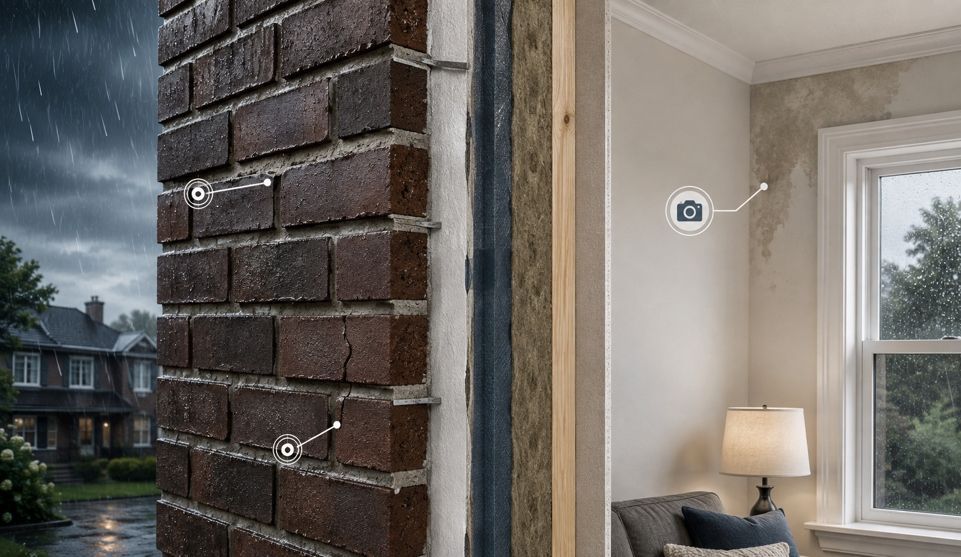
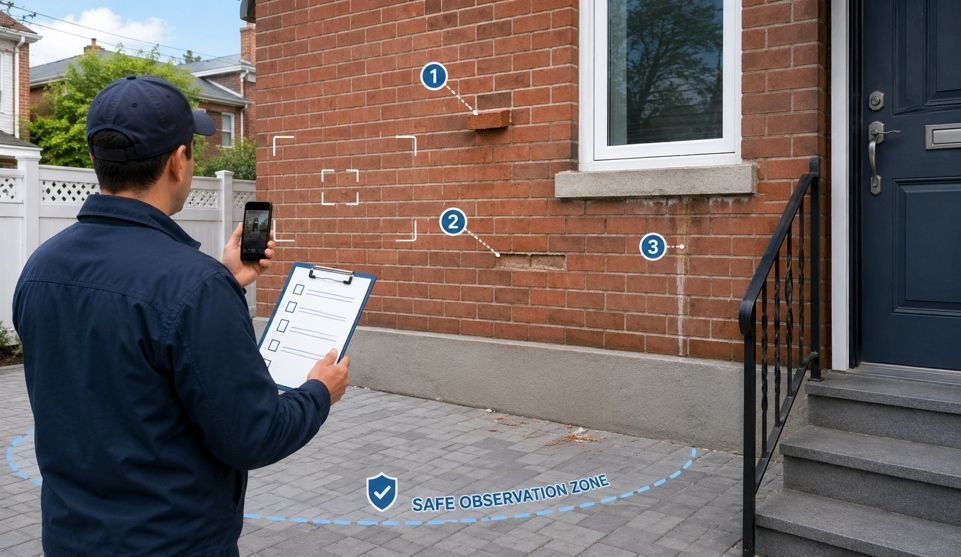
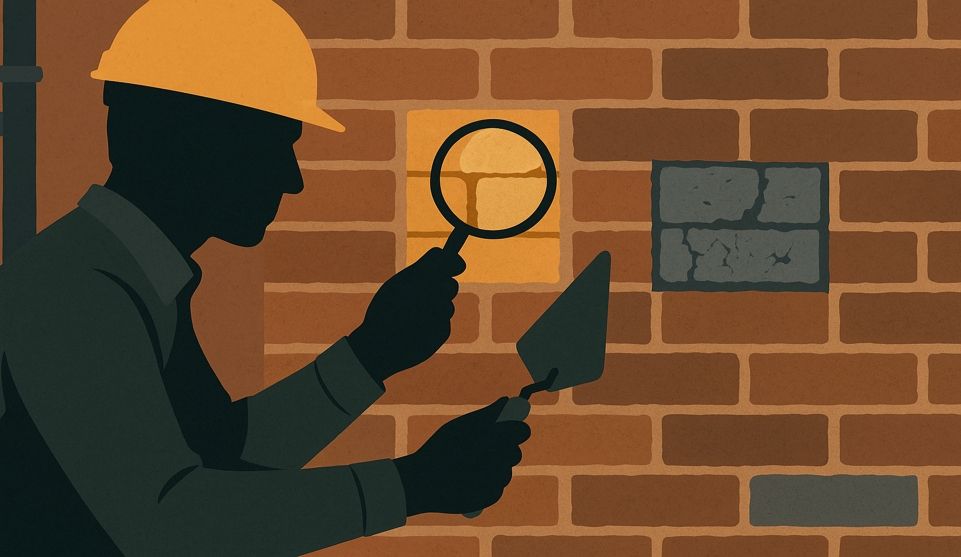
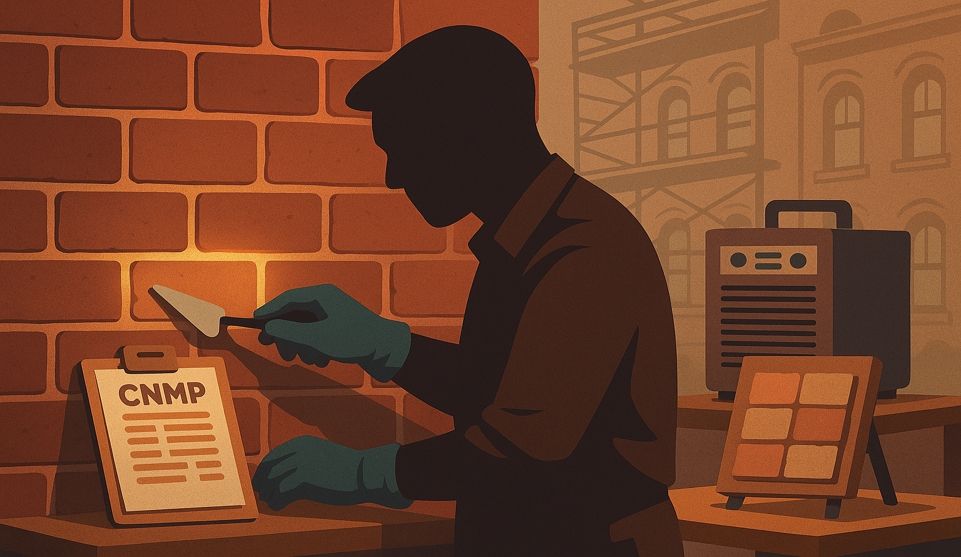
Good contractors document everything before they start. They take detailed photos of existing conditions, note the scope of work clearly, and identify which approval pathway applies to your project. They file applications through Portico and track the review process, keeping you informed without requiring you to become an expert in LPC procedures.
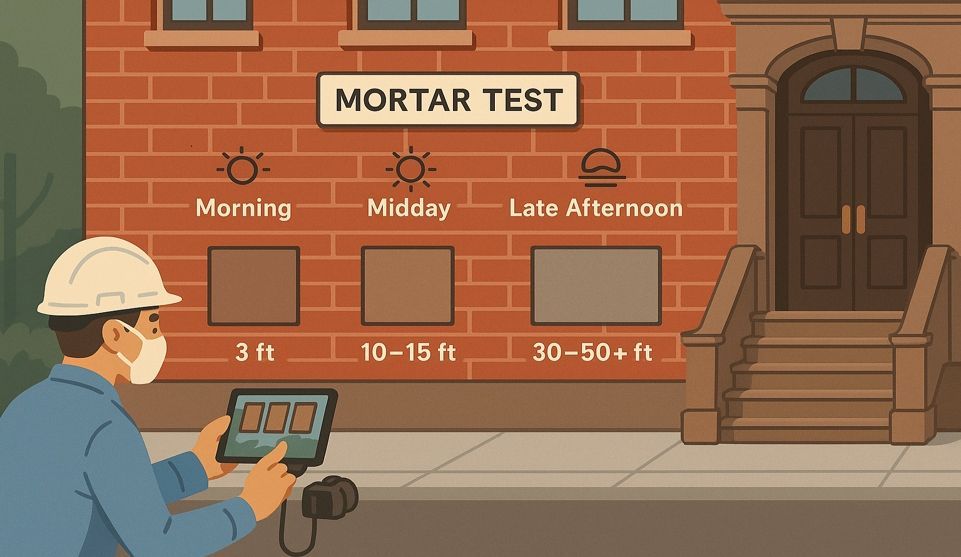
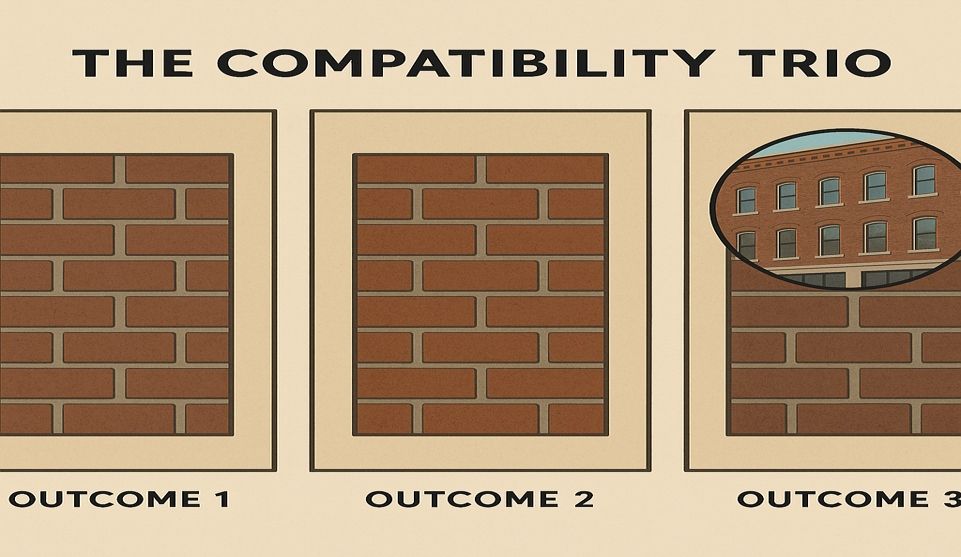
They also build in a way that respects historic context. That means using compatible materials—lime-based mortars instead of hard Portland cement, brownstone or approved substitutes that match your building's original fabric, and techniques that preserve rather than damage historic details. When material matching is critical, they may create test panels to confirm color and texture before starting full-scale work. This isn't just about passing inspection; it's about preserving your home's character and integrity.
At City Suburb, this is simply how we approach every project in landmark areas. Our team is licensed, bonded, and insured—credentials you can verify through our BBB profile. We've built relationships with the LPC through years of quality work in Brooklyn's historic districts, and we handle the paperwork so you can focus on the outcome: a façade that's structurally sound, visually seamless, and fully compliant.
If you're vetting contractors, look for experience with historic properties specifically. Ask about their filing process, their approach to material selection, and how they handle LPC feedback or requests for revisions. A good specialist will answer these questions clearly and show you examples of past projects that received LPC approval. For more detailed guidance, our eight-point vetting checklist walks you through exactly what to ask.
Next Steps
You now have a clear framework for understanding LPC permit requirements and a practical checklist for common repairs. The next phase is getting eyes on your specific property to assess the scope of work and confirm the approval pathway.
Start with a low-commitment step: Get a free photo estimate by sending us images of your façade concerns. We can often provide initial guidance on what approvals might apply and what the repair process looks like. You can also explore our project gallery to see examples of completed historic façade work in Brooklyn and the Bronx.
When you're ready for a detailed assessment: Schedule your free on-site inspection. We'll evaluate the full scope of work, discuss material options, explain the permitting pathway for your specific project, and provide a comprehensive estimate. Call us now at (718) 849-8999 or request an estimate through our website.
The journey from "noticing damage" to "completed, approved repair" doesn't have to be stressful. With the right information and a contractor who understands both the craft and the process, you can protect your brownstone's historic character while meeting all regulatory requirements. Whether you're in Brooklyn, the Bronx, or on Long Island, we're here to guide you through every step.
As you move forward with planning your façade project, you'll want to understand the different repair methods available and how to ensure your contractor has the specific expertise historic properties require. Three resources that can help: our guide on patching versus resurfacing methods explains when each approach makes sense, our article on brownstone spalling digs into why that peeling happens and what it means for your repair strategy, and our NYC Mortar Matching & Test Panels guide shows how to validate materials before full-scale work begins.
Frequently Asked Questions
Do I need an LPC permit for simple repointing?
It depends on your property's designation status and the scope of work. If your building is within a historic district or is an individual landmark, even routine repointing may require a Permit for Minor Work—especially if you're working on street-facing façades. The key factor is whether the work maintains the original mortar profile, color, and tooling. When repointing is truly in-kind and doesn't require DOB permits, it often qualifies for the simpler PMW pathway. Check your landmark status first, then consult with a contractor experienced in historic masonry to confirm requirements.
How do I know if I'm in a historic district?
Use the NYC Landmarks Preservation Commission's official Discover NYC Landmarks mapping tool. Enter your address, and the map will show whether your property is individually designated, located within a historic district, or outside LPC jurisdiction. This is the most reliable way to confirm status, as district boundaries can be surprisingly specific—sometimes running through the middle of a block.
What's the difference between a PMW and a C of A?
A PMW covers restoration (fixing what exists); a C of A covers alteration (changing the look). If you are cleaning, patching, or repointing, think PMW. If you are removing, redesigning, or replacing features with new materials, think C of A.
Do I also need a DOB permit?
Some façade work requires Department of Buildings permits because of structural elements or project scope. For example, lintel replacements, extensive parapet repairs, or work that affects your building's structural system often need DOB review for safety reasons. When DOB permits are required, it can affect which LPC approval you need and the filing sequence. A contractor experienced with historic properties will know when structural permits apply and can coordinate the approval process.
How long can LPC approvals take?
Timeline varies by approval type and application completeness. Permit for Minor Work applications filed through Portico are typically reviewed within a few weeks when documentation is thorough and the scope clearly qualifies. Certificate of Appropriateness reviews take longer—often several months—especially if community board consultation or public hearings are required. The best way to avoid delays is submitting complete applications with clear documentation, detailed photos, and material specifications upfront.
What if I have an active leak or an emergency repair?
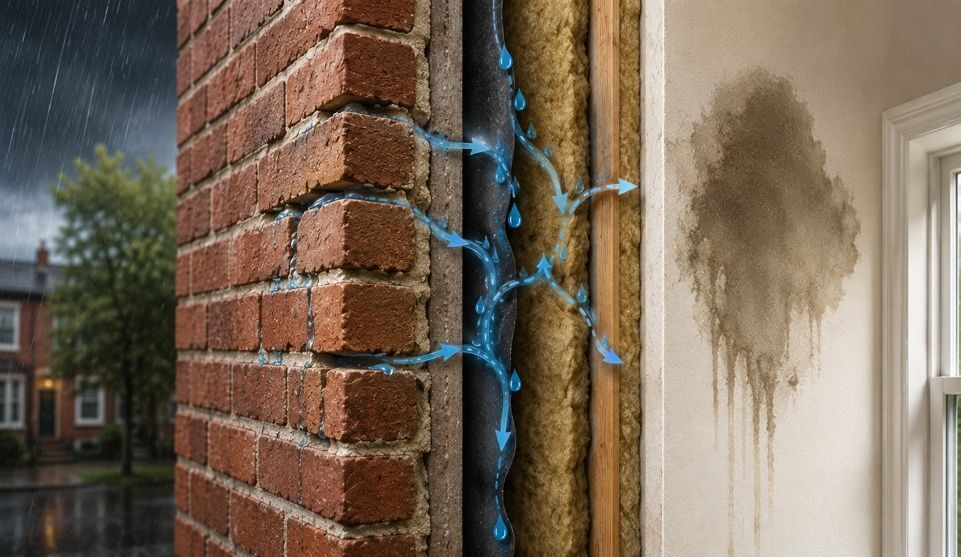
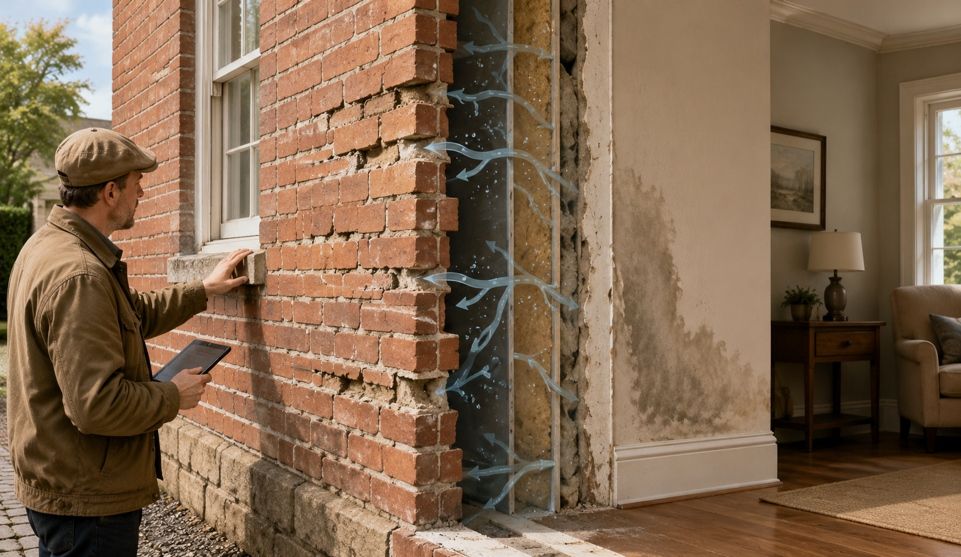
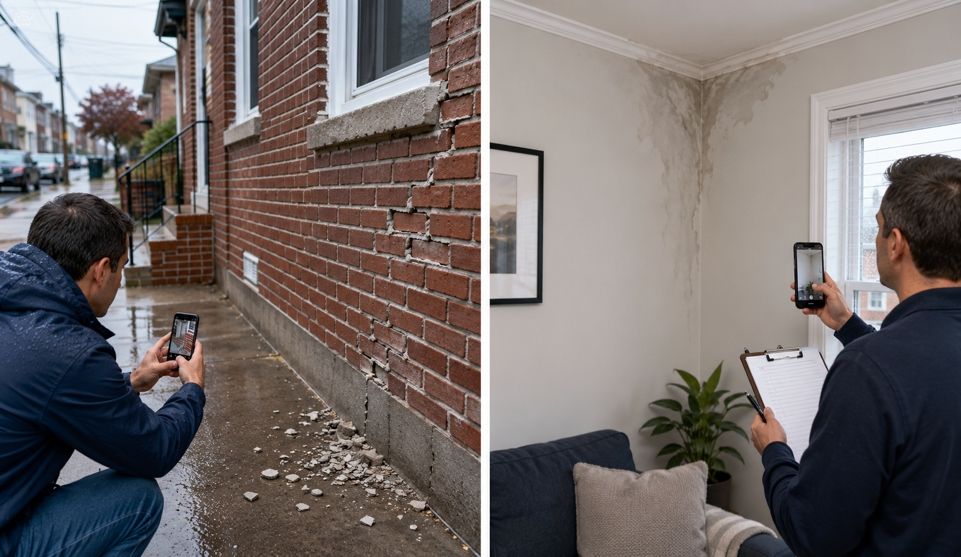
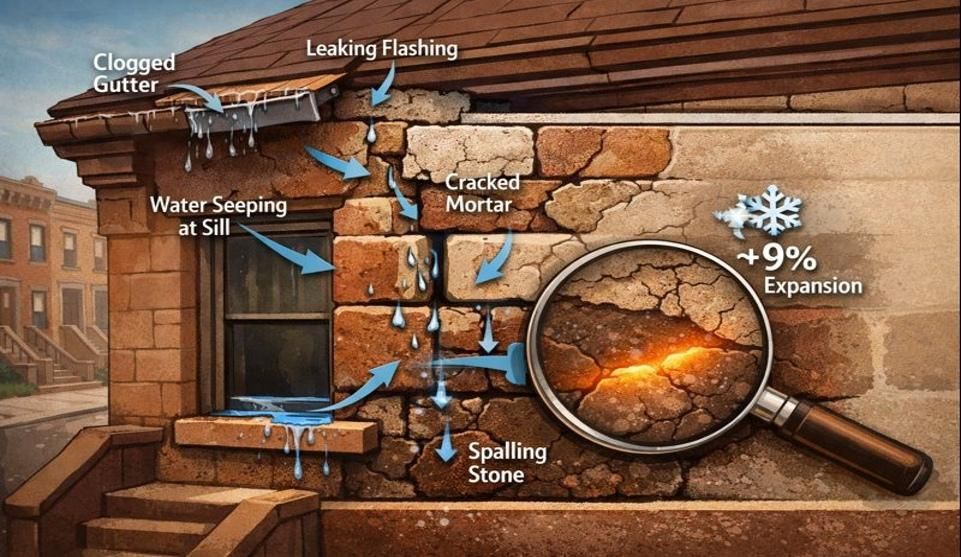
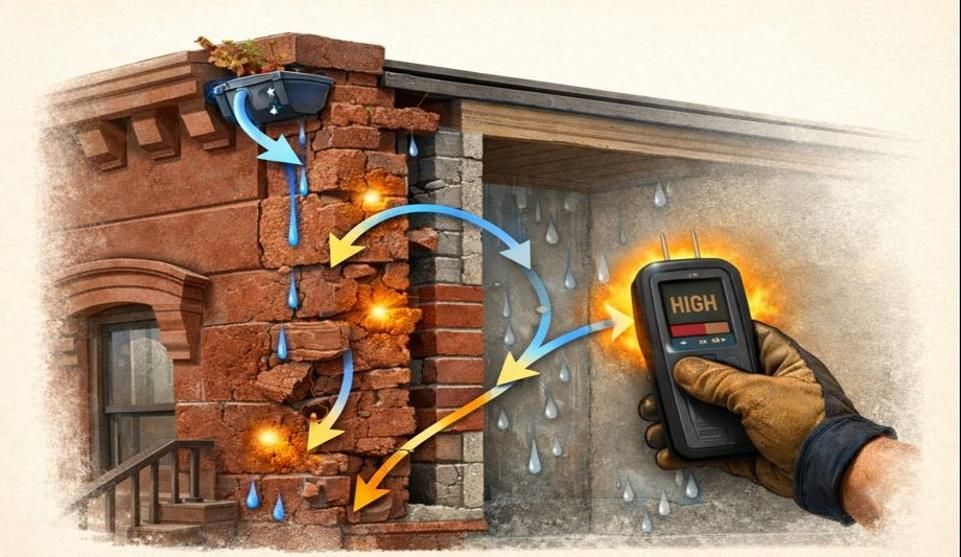
Emergency stabilization work to prevent immediate danger or significant damage can often proceed, but you should notify LPC as soon as possible and document the emergency conditions thoroughly. Take photos showing the urgent issue, and keep records of any temporary measures. Once the immediate threat is addressed, you'll typically need to file for appropriate approvals to complete permanent repairs. For situations like active water infiltration through failed masonry, the key is stabilizing first, then following up with proper permitting for the final repair. Document everything—the emergency conditions, your notification to LPC, and the temporary measures taken—to demonstrate good faith and proper procedure.
Our Editorial Process
Our expert team uses AI tools to draft and refine helpful articles. Every piece is reviewed by our experienced professionals to ensure accuracy and clarity. This content is for informational purposes and does not replace professional advice.
Disclaimer: This guide provides general information about NYC Landmarks Preservation Commission (LPC) and Department of Buildings (DOB) processes. Requirements can vary by property and project scope, and rules and enforcement may change over time. Before starting work, confirm your specific requirements with LPC/DOB or a qualified professional.
By: City Suburb Insights Team