The Ultimate Guide to Choosing the Right Roof for Your Home or Business
Choosing the right roof for your home or business is more than just a matter of aesthetics—it is a crucial decision that significantly impacts your property’s protection, energy efficiency, and long-term financial value. A roof acts as the first line of defense against harsh environmental elements, effectively shielding your building from rain, wind, snow, ice, and intense sunlight. With countless materials, styles, textures, and installation options available on the market today, selecting the most suitable roofing solution requires careful consideration of both functional performance and visual appeal. The decision directly influences maintenance costs, energy bills, overall comfort, and even property resale value, making it a significant and long-term investment for any homeowner, commercial property owner, or building manager seeking security and efficiency.
In today’s roofing industry, technological advancements and a wide variety of diverse material options provide unparalleled opportunities to design and customize a roof that perfectly meets specific aesthetic, functional, and environmental needs. From traditional asphalt shingles to durable metal panels, clay or concrete tiles, and eco-friendly solutions like solar-integrated systems or green roofs, the choices can easily feel overwhelming. Understanding the strengths, limitations, installation requirements, and total costs associated with each option is key to making a fully informed and confident decision. This comprehensive guide offers actionable insights, expert reasoning, real-world examples, and professional tips to help you navigate the selection process. Whether you are constructing a new property, renovating, or replacing an aging roof, this resource ensures you make a choice that balances durability, performance, energy efficiency, and long-term aesthetic appeal.
Understanding Roofing Materials
Asphalt Shingles: Affordable and Versatile
Asphalt shingles are among the most widely used roofing materials for residential and commercial properties. Known for their affordability, ease of installation, and variety of colors and textures, asphalt shingles can complement almost any architectural style. They typically last between 20 and 30 years, depending on the quality of materials and local climate conditions.
Benefits:
- Cost-effective for most budgets
- Simple installation and repair process
- Wide range of styles and colors
Challenges:
- Shorter lifespan compared to premium materials
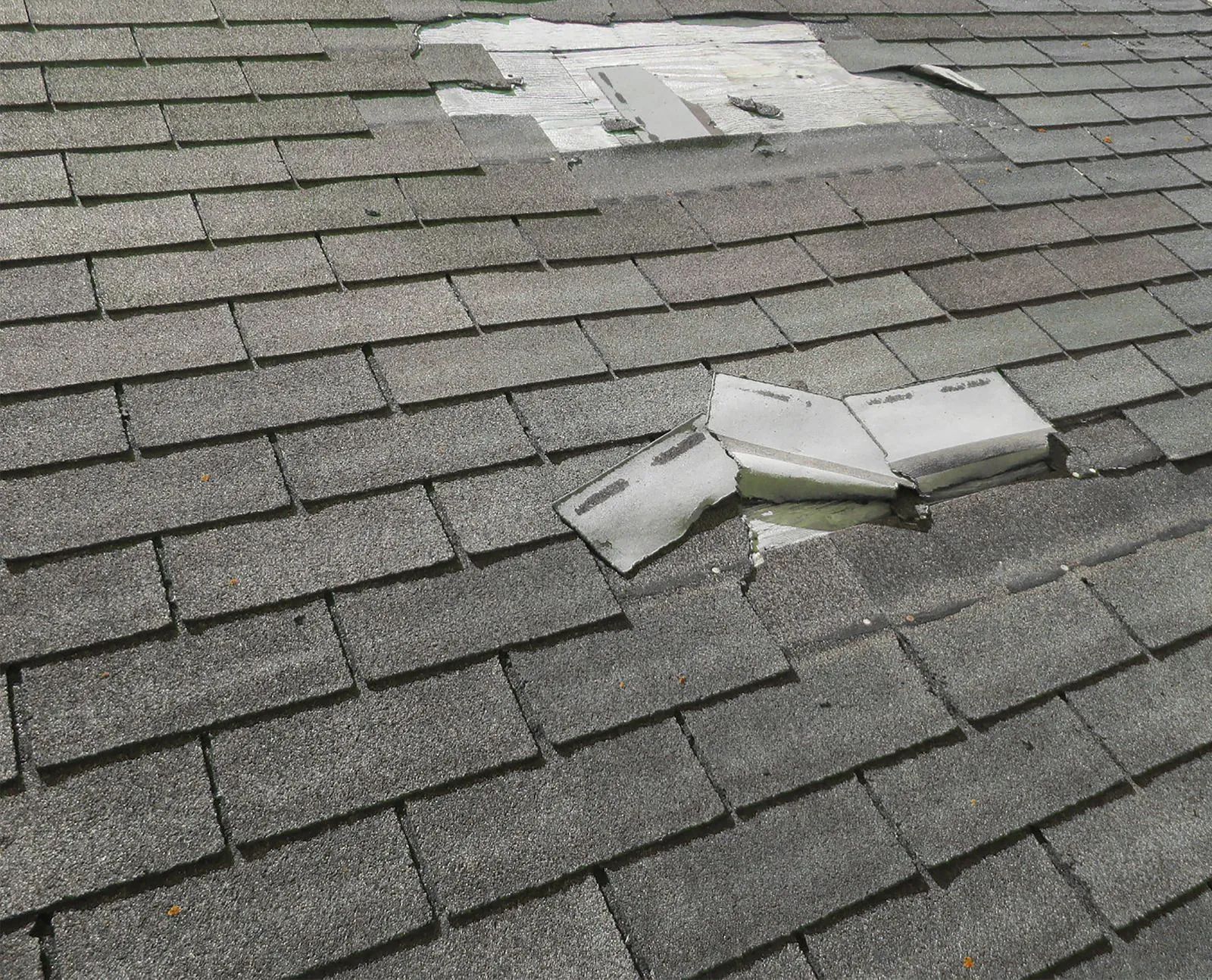
- Susceptible to wind damage and extreme temperatures
Best Practice: Ensure proper attic ventilation to extend shingle life and reduce the risk of curling or blistering.
Metal Roofing: Durability Meets Modern Design
Metal roofing has gained popularity for its longevity, resilience, and energy efficiency. Available in steel, aluminum, copper, or zinc, metal roofs can withstand severe weather conditions and resist corrosion when properly coated. They often last 40–70 years, making them a long-term investment.
Benefits:
- Extremely durable and low-maintenance
- Reflects solar heat, reducing energy costs
- Recyclable and environmentally friendly
Challenges:
- Higher upfront costs
- Noise during heavy rain or hail (mitigated with insulation)
Best Practice: Choose interlocking panels for enhanced water resistance and consider a protective coating to prevent rust.
Tile and Slate Roofing: Timeless Elegance
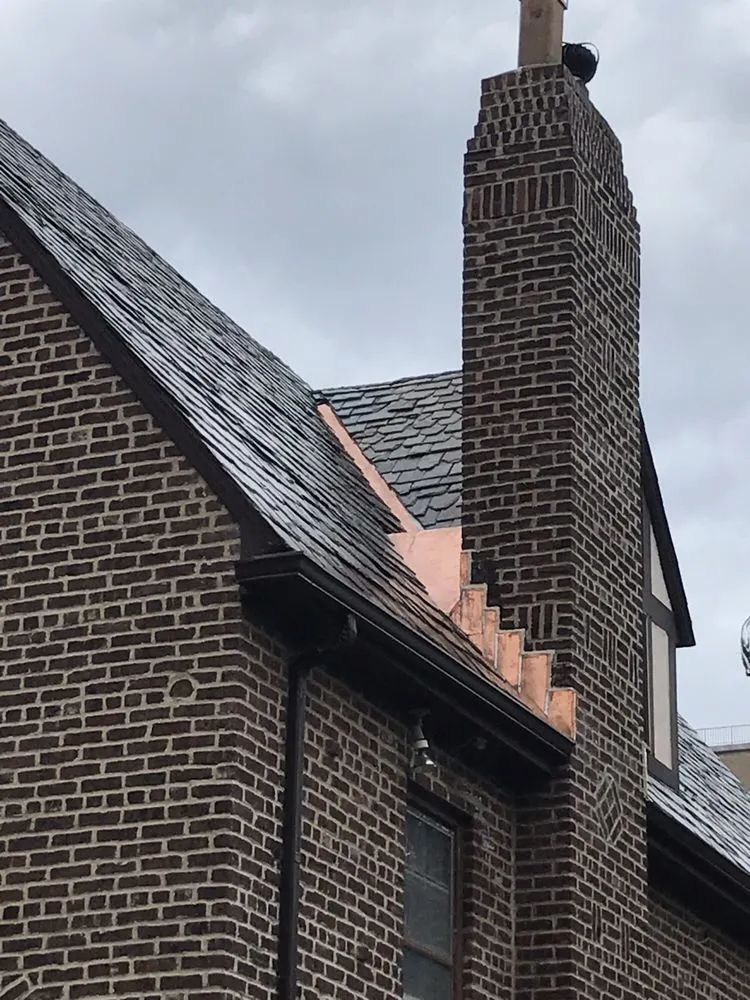
Clay, concrete, and slate tiles offer a classic, high-end appearance and exceptional durability. Slate roofs, in particular, can last over a century with proper maintenance, while clay and concrete tiles typically last 50–75 years.
Benefits:
- Long lifespan and minimal maintenance
- Resistant to fire and pests
- Adds significant aesthetic and resale value
Challenges:
- High installation cost
- Heavy weight may require reinforced structural support
Best Practice: Conduct a structural assessment before installation to ensure your building can support the roof’s weight.
Factors Influencing Roof Selection
Climate Considerations
Climate plays a pivotal role in selecting a roofing material. For example, metal roofs are ideal for regions prone to heavy snowfall, as their smooth surface allows snow to slide off easily. In contrast, clay or concrete tiles excel in hot, dry climates due to their natural thermal resistance.
Example: A home in Florida benefits from reflective metal or tile roofing to combat heat, while a property in Vermont may favor asphalt or slate to endure cold, heavy snow.
Roof Pitch and Architectural Style
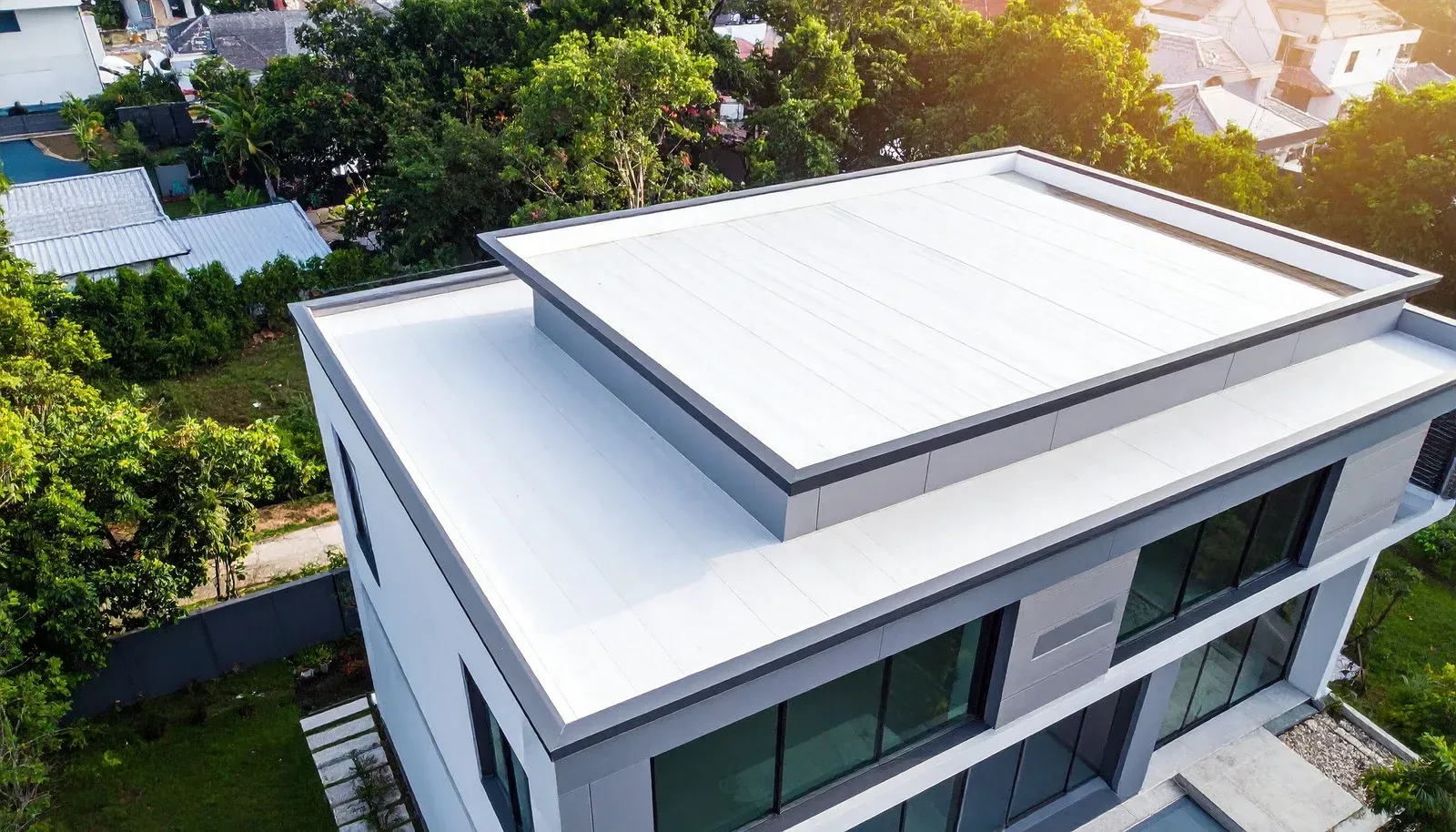
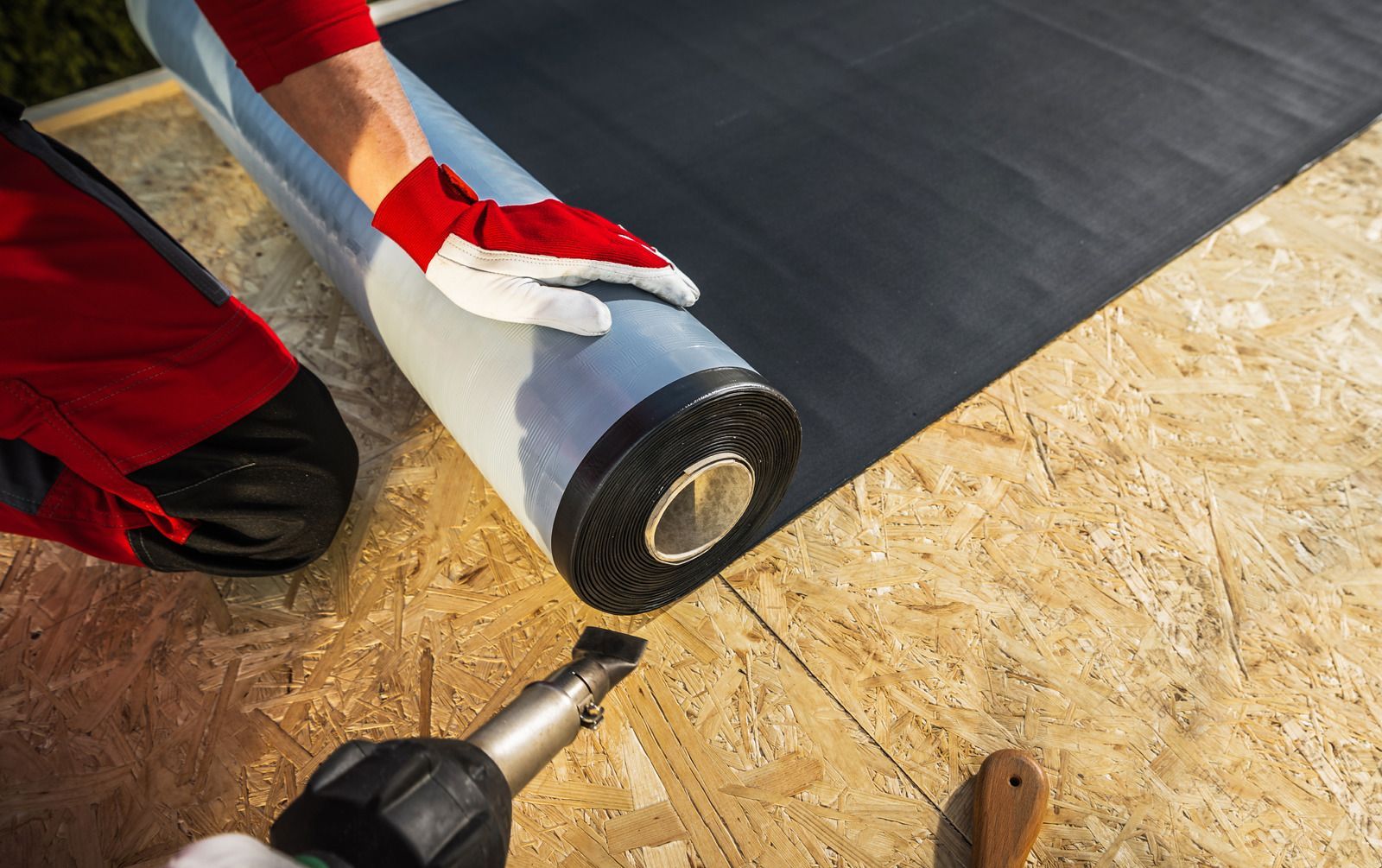
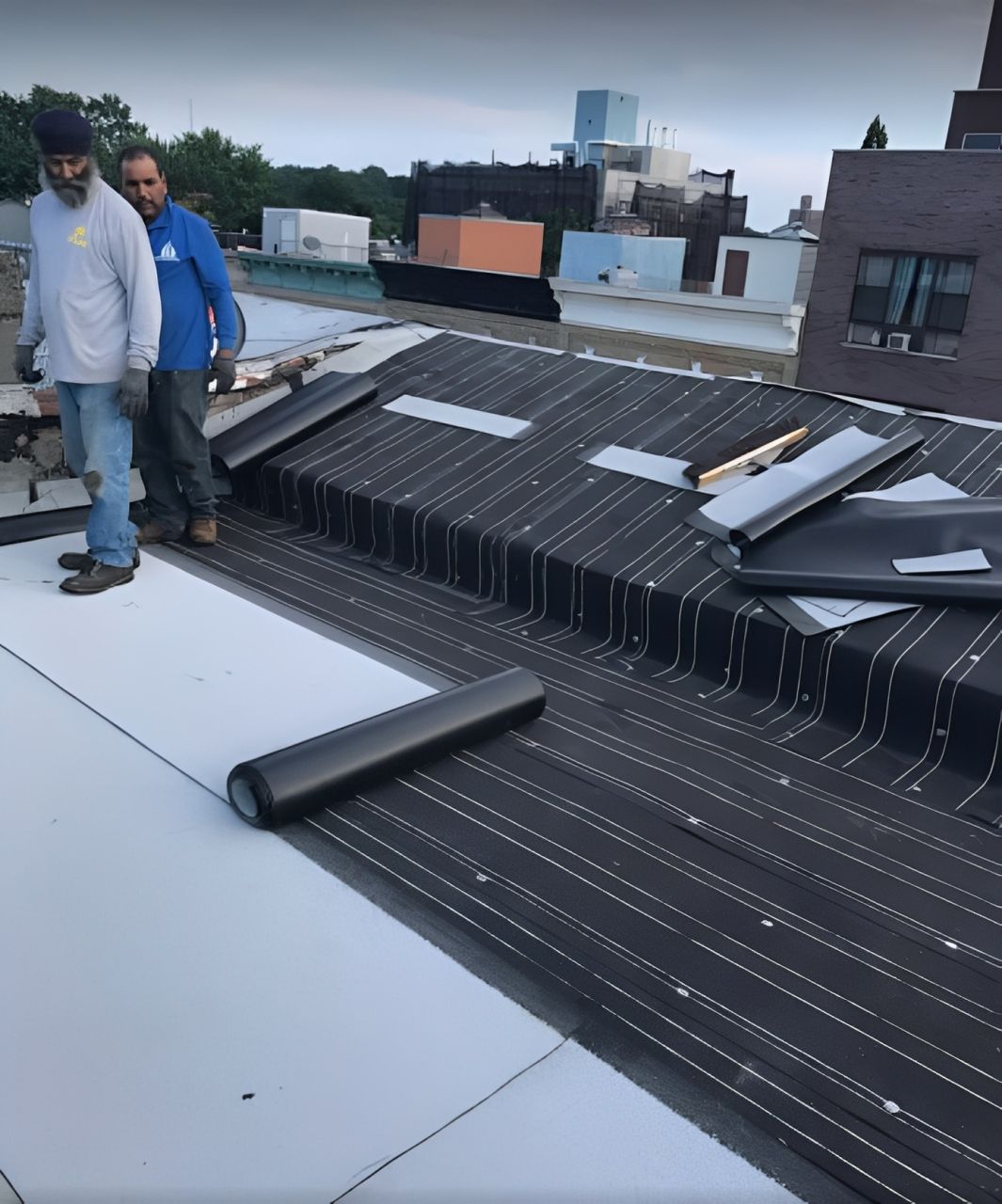
The slope of your roof affects water runoff, material choice, and aesthetic appeal. Low-pitched roofs may be better suited for materials like rubber membranes or metal panels, while steeply pitched roofs accommodate shingles, tiles, or slate. Matching the roof style to your building’s architecture ensures a cohesive and visually appealing exterior.
Example: Modern flat-roof commercial buildings often use single-ply membranes, whereas traditional colonial homes may favor asphalt shingles or slate tiles.
Budget and Longevity
Budget considerations go beyond initial material costs. Factor in installation, maintenance, and lifespan when comparing options. While asphalt shingles may be inexpensive upfront, a metal or slate roof offers a longer lifespan and potentially lower lifetime costs.
Best Practice: Conduct a cost-per-year analysis to determine the most economical choice over the roof’s lifetime, balancing durability and upfront expenses.
Roofing for Energy Efficiency and Sustainability
Energy-Efficient Roofing Options
Energy-efficient roofing can significantly reduce heating and cooling costs. Light-colored shingles, reflective metal panels, and cool roof coatings help minimize heat absorption, keeping interiors cooler during hot summers. Additionally, proper insulation and ventilation enhance overall energy performance.
Real-World Scenario: Installing a reflective metal roof in a sun-drenched region can lower air-conditioning costs by up to 15%, creating both immediate savings and long-term environmental benefits.
Sustainable and Eco-Friendly Materials
Sustainability is a growing priority in roofing. Recycled shingles, metal roofing with high recycled content, and solar-integrated roofs reduce environmental impact while providing functional advantages. Green roofs, featuring vegetation, also improve insulation, absorb rainwater, and mitigate urban heat effects.
Challenges:
- Higher initial cost compared to traditional materials
- May require specialized installation and maintenance
Best Practice: Evaluate energy efficiency certifications, such as ENERGY STAR ratings, when selecting roofing materials to ensure verified performance benefits.
Common Roofing Challenges and How to Avoid Them
Weather-Related Damage
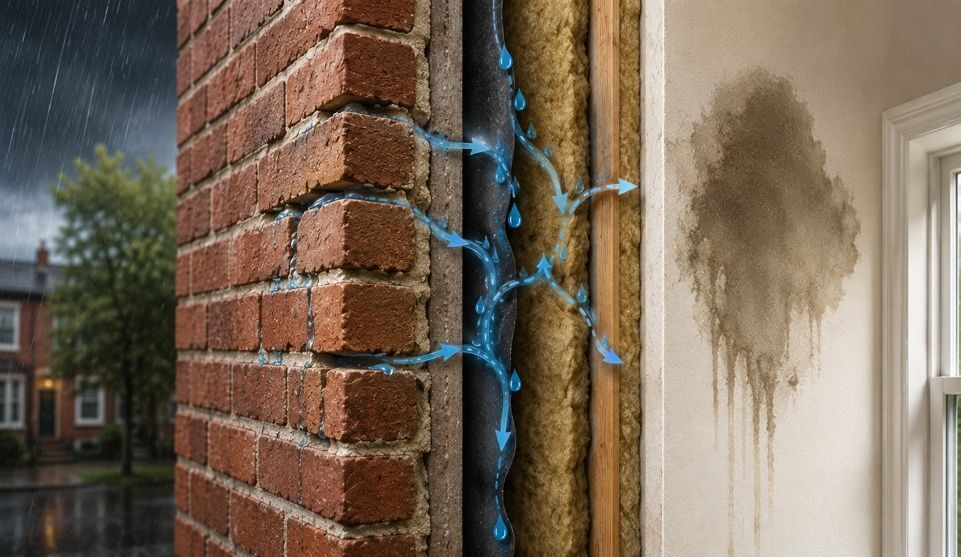
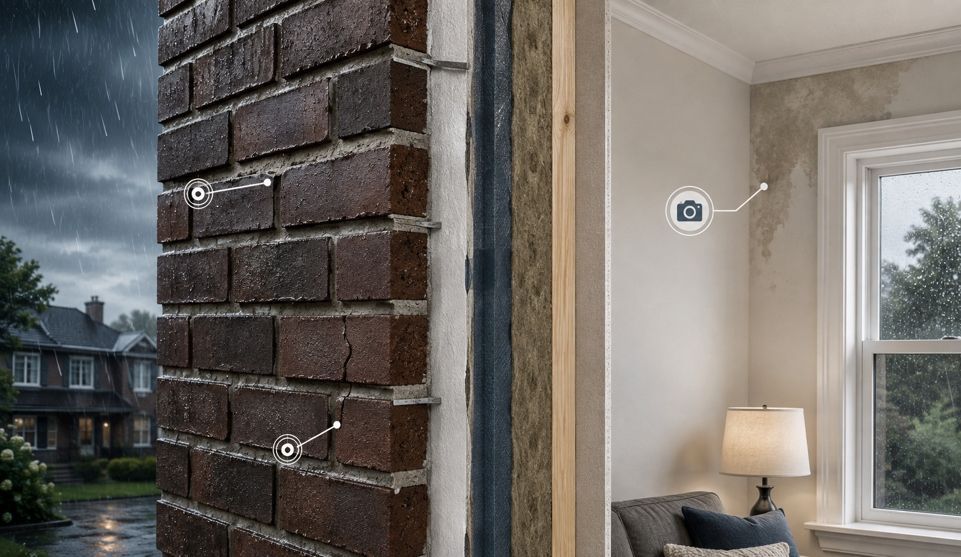
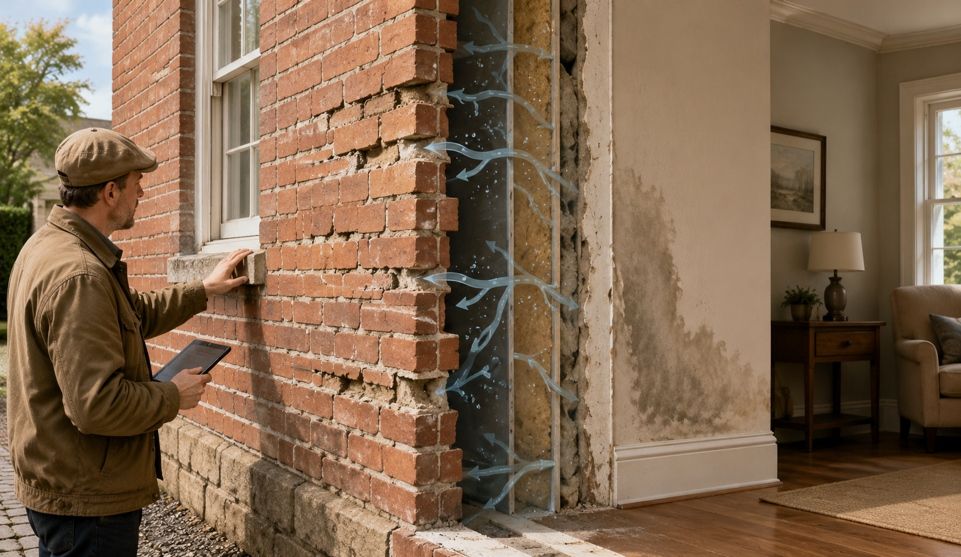
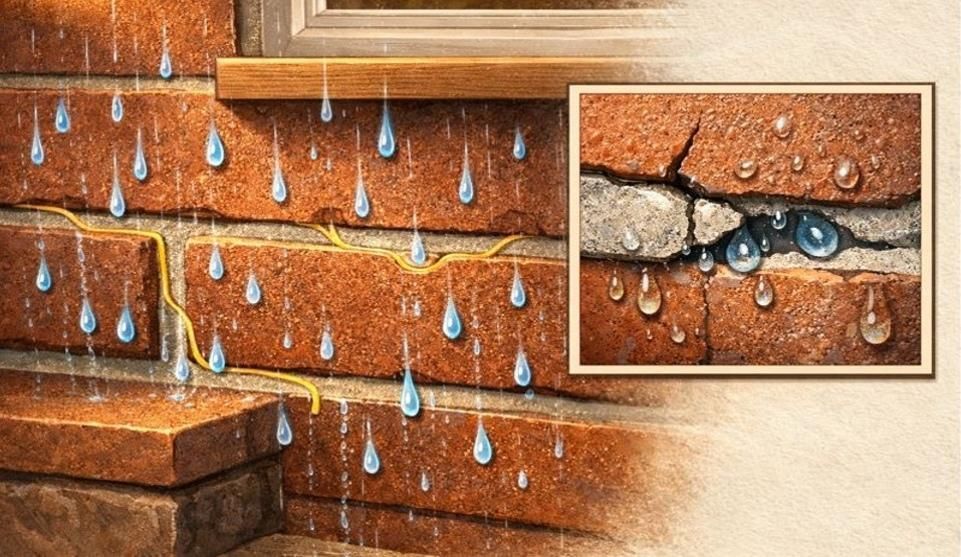
Roofs face constant exposure to sun, rain, snow, and wind. Neglecting proper installation or maintenance can result in leaks, mold growth, or structural damage.
Preventive Tip: Schedule regular inspections, especially after severe storms, to detect issues early and extend roof longevity.
Poor Installation
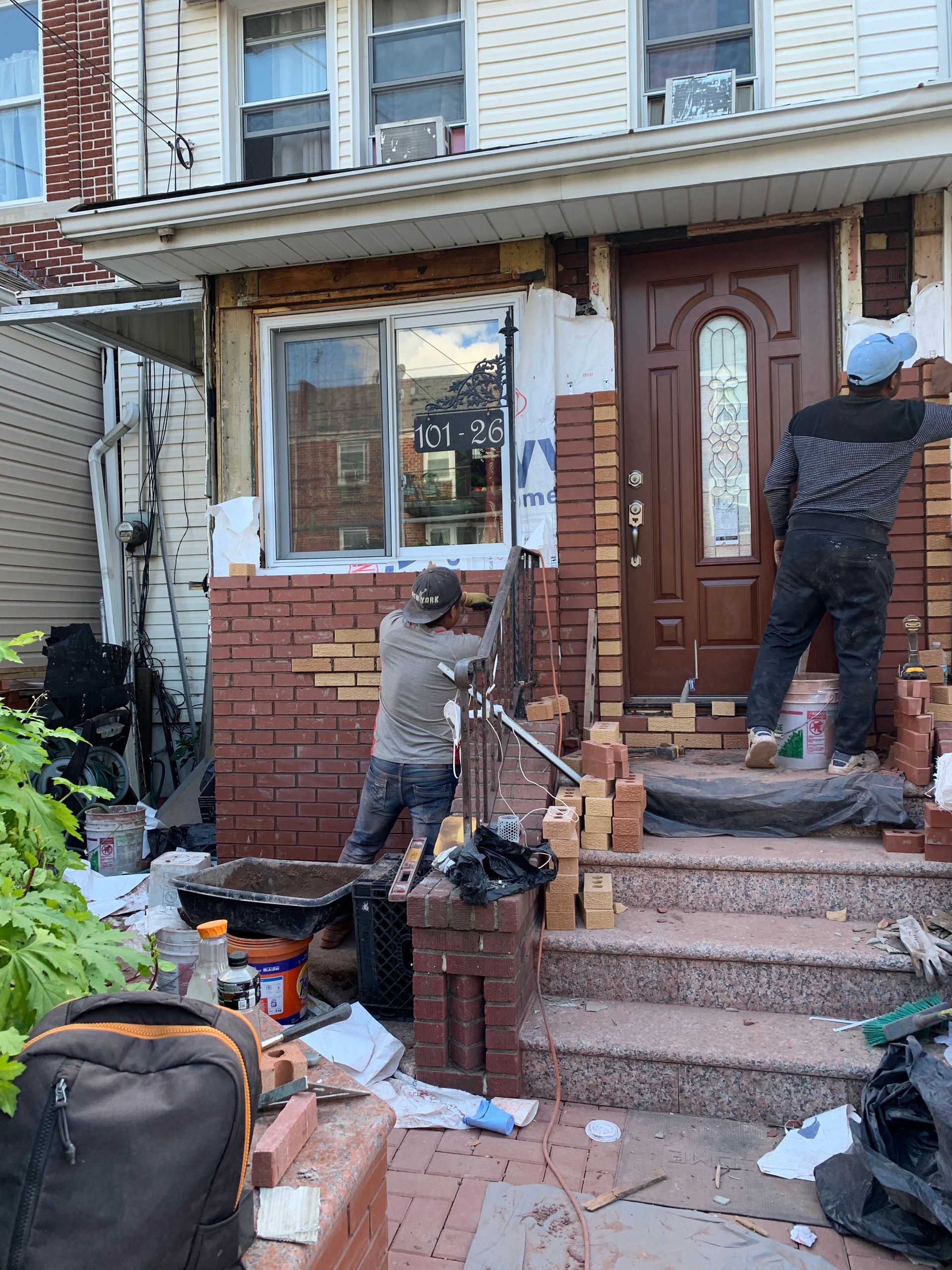
Even the highest-quality materials can fail if installation is substandard. Improper alignment, inadequate fastening, or insufficient underlayment can compromise performance.
Real-World Example: Many homeowners experience shingle blow-offs within the first few years due to weak nailing or lack of adhesive.
Best Practice: Always hire certified and experienced roofing contractors to ensure proper installation, adherence to manufacturer guidelines, and warranty protection.
Maintenance Considerations
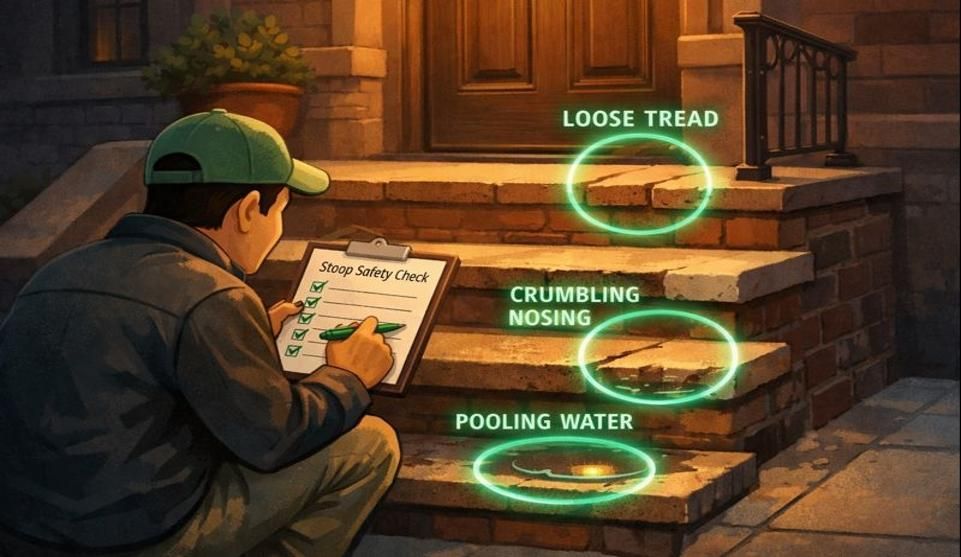
Routine maintenance, such as cleaning debris, inspecting flashing, and clearing gutters, is essential for all roofing types. Neglect can accelerate deterioration and lead to costly repairs.
Expert Tip: Create a seasonal maintenance checklist to systematically address potential issues, extending the roof’s lifespan and preserving property value.
Making the Final Decision
Balancing Function, Aesthetics, and Cost
The ideal roof is one that fulfills functional needs, enhances curb appeal, and fits within budget constraints. Consider lifespan, climate suitability, energy efficiency, and material durability when comparing options.
Example: A commercial building with high foot traffic may prioritize low-maintenance metal roofing, while a historic home may require slate or tile to maintain architectural integrity.
Expert Guidance and Professional Assessment
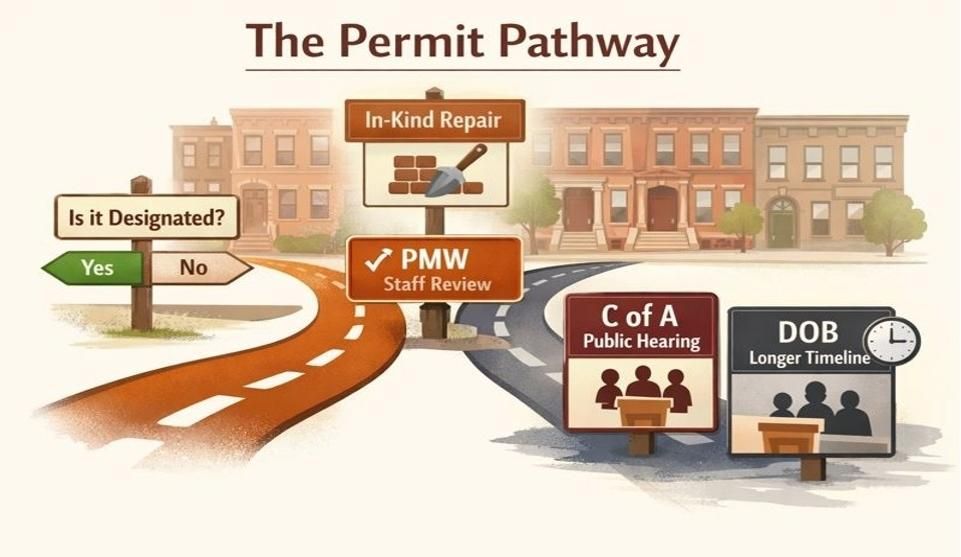
Consulting with roofing professionals ensures you understand the trade-offs between materials, installation methods, and long-term maintenance. A professional assessment can reveal hidden factors, such as roof structure limitations, water drainage patterns, and local building codes.
Planning for the Future
Consider your long-term plans, including property resale, potential expansions, or energy retrofits. Choosing a roof that accommodates future needs avoids costly replacements and renovations later.
Best Practice: Evaluate warranties, service guarantees, and expected lifespan to make a decision that aligns with both present and future requirements.
Additional Tips for Roof Longevity
- Regular Inspections: Schedule biannual inspections to identify and repair minor issues before they escalate.
- Proper Ventilation: Ensure your attic or roof cavity has adequate ventilation to prevent moisture buildup and thermal stress.
- Quality Materials: Invest in reputable, high-quality materials with proven durability and manufacturer backing.
- Professional Installation: Certified roofing contractors reduce the risk of errors and ensure compliance with building codes.
- Prompt Repairs: Address leaks, damaged shingles, or loose flashing immediately to prevent structural damage.
- Gutter Maintenance: Keep gutters and downspouts clear to avoid water pooling, which can damage roof edges and foundation.
Following these tips significantly increases the lifespan of your roof, reduces long-term costs, and maintains property value. The combination of careful material selection, proper installation, and consistent upkeep ensures that your roof remains both functional and visually appealing for decades.
Trusted Team Delivering Durable, High-Quality Roofing Results
Selecting the right roof requires a careful balance of durability, aesthetics, energy efficiency, and cost-effectiveness. By understanding material options, climate considerations, and common challenges, homeowners and business owners can make informed choices that protect their investment and enhance property value. Proper installation, professional assessment, and ongoing maintenance are critical to maximizing a roof’s performance and lifespan.
At City Suburb, based in Queens, NY, we bring 20
years of experience to every roofing project, providing expert guidance from material selection to professional installation. Our team is dedicated to delivering solutions tailored to your home or business, combining durability, aesthetics, and efficiency. We prioritize quality craftsmanship and customer satisfaction, ensuring each roof meets the highest standards. Trust City Suburb
to safeguard your property with roofing solutions designed for lasting performance, exceptional protection, and enhanced curb appeal.