How Proper Brick Pointing Prevents Water Damage in Heritage Homes
Article at a Glance:
- Historic masonry requires specialized maintenance to preserve its integrity, with proper brick pointing being essential for protecting heritage homes from water damage in the Bronx's challenging climate.
- Traditional lime-based mortars differ significantly from modern Portland cement mortars, requiring careful material selection to maintain historic building authenticity and structural health.
- Water infiltration can damage heritage masonry through freeze-thaw cycles, salt crystallization, and chemical deterioration, making early detection and professional intervention crucial.
- Professional brick pointing involves specific techniques, including proper joint preparation, appropriate mortar selection, and careful application methods to ensure long-term protection.
- Regular seasonal inspections and annual professional assessments help identify and address issues before they become severe structural problems.
Understanding these key aspects of brick pointing helps heritage homeowners in the Bronx make informed decisions about maintaining their historic properties, ultimately preventing costly repairs and preserving architectural heritage for future generations.
For heritage homeowners seeking brick pointing, protecting your property from water infiltration is crucial. Deteriorating mortar joints can threaten the structural integrity of historic buildings, making professional brick pointing services essential.
This guide explains how proper brick pointing prevents water damage, helping you protect your historic property through informed maintenance decisions.
Understanding Historic Masonry Systems
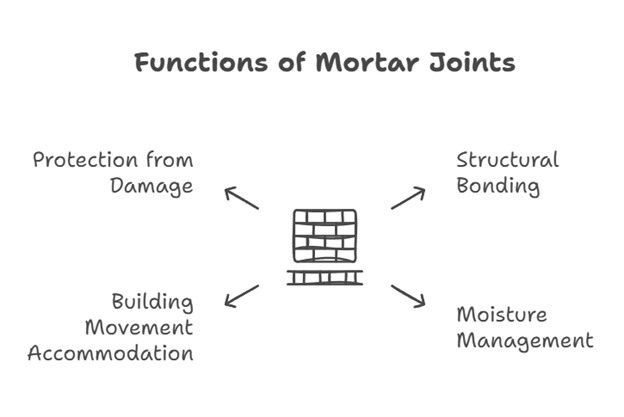
According to the National Park Service Preservation Brief 2, heritage masonry construction represents a sophisticated building system that manages moisture through the interaction between bricks and mortar joints.
When considering brick pointing in Bronx, NY, it's important to understand that mortar joints in historic buildings serve multiple critical functions:
- Structural bonding between bricks
- Moisture management and vapor transmission
- Accommodation of building movement and thermal expansion
- Protection of brick edges from mechanical damage
Historic vs. Modern Mortars
Heritage homes typically used lime-based mortars, which differ significantly from modern Portland cement-based mortars.
Lime-Based Mortars
- More flexible and able to accommodate building movement
- Higher vapor permeability, allowing walls to "breathe"
- Ability to heal hairline cracks through recrystallization
- Lower compressive strength that protects historic bricks
- Compatible with the softer bricks used in heritage construction
Modern Portland Cement-Based Mortars
- Generally harder and less flexible than lime mortars
- Lower vapor permeability
- Higher compressive strength that can damage historic bricks
- No self-healing properties
- Generally incompatible with heritage masonry systems, though modified versions exist for specific applications
How Water Damages Historic Masonry
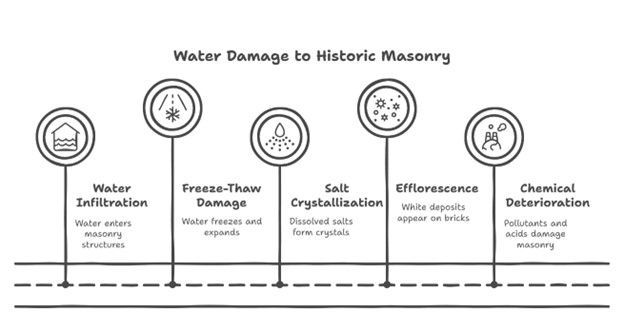
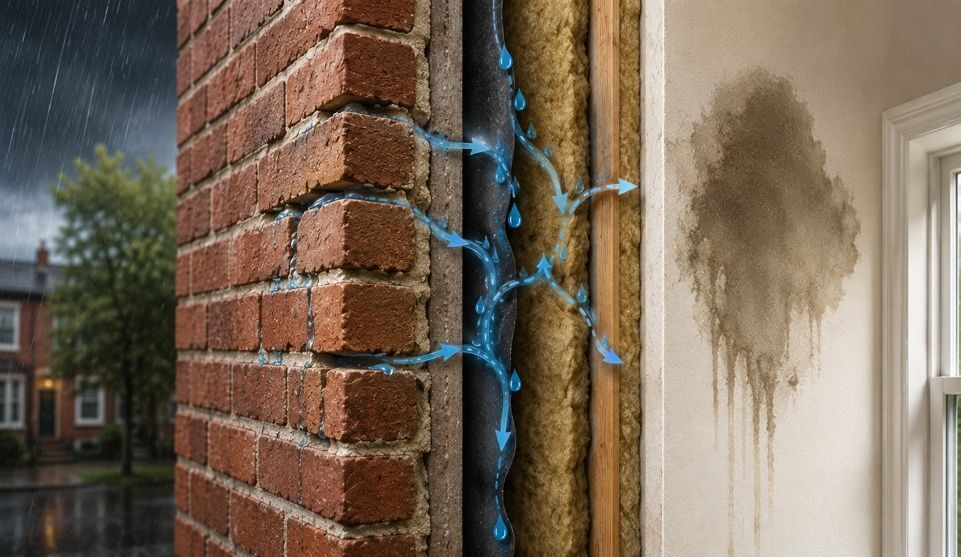
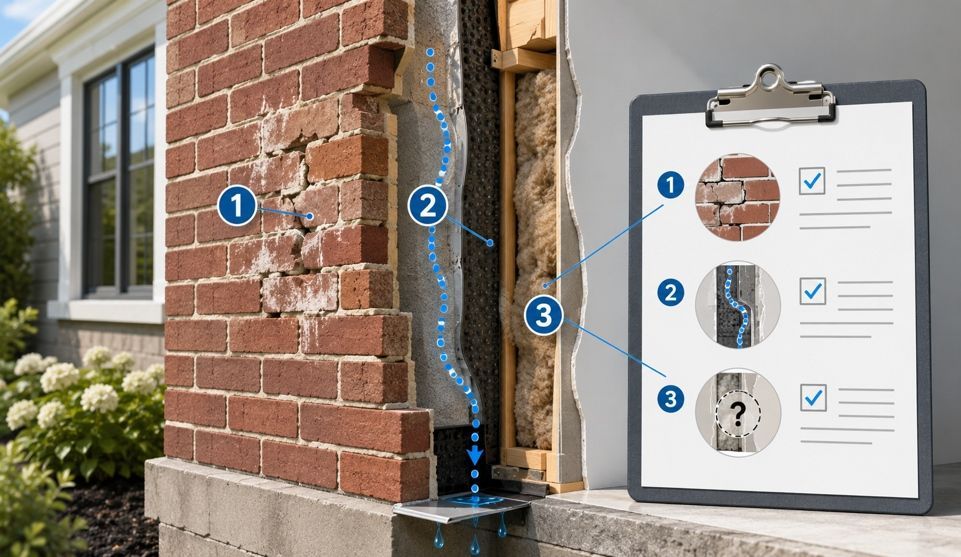
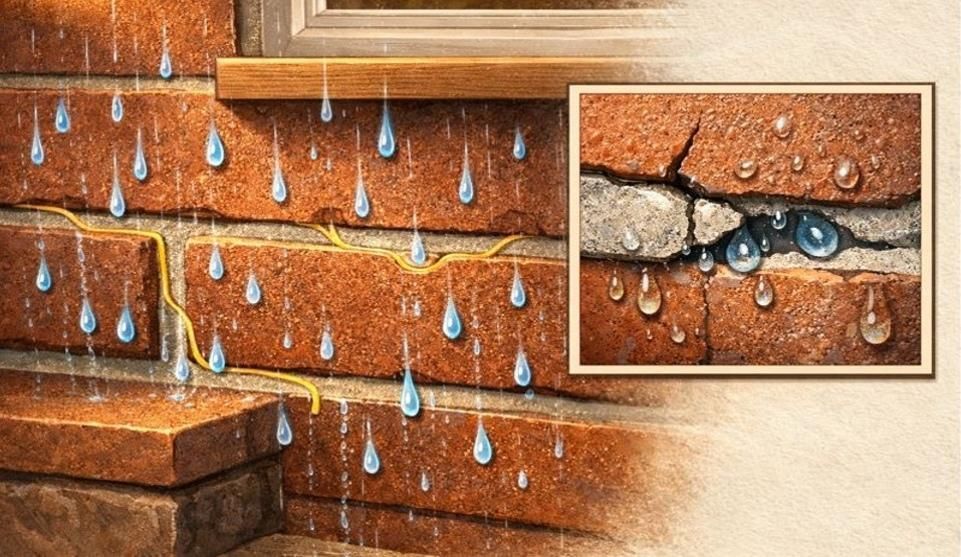
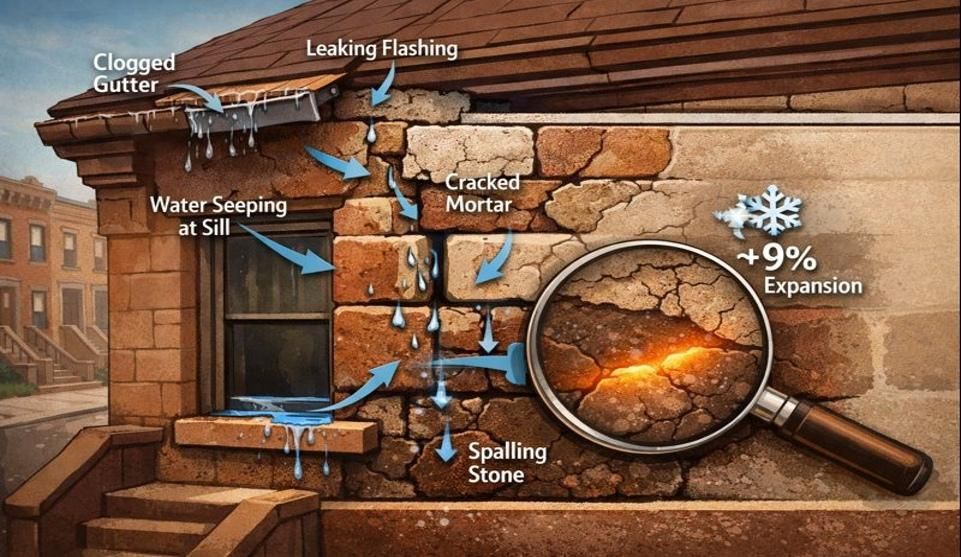
For those seeking brick pointing in Bronx, NY, understanding how water damages masonry is essential. Water infiltration damages heritage masonry through several mechanisms:
Freeze-Thaw Damage
When water trapped within masonry freezes, it expands by about 9% depending on temperature and pressure conditions. This expansion creates internal pressure that can crack both mortar and bricks.
The Bronx's climate, with frequent freeze-thaw cycles, makes this particularly problematic.
Salt Crystallization
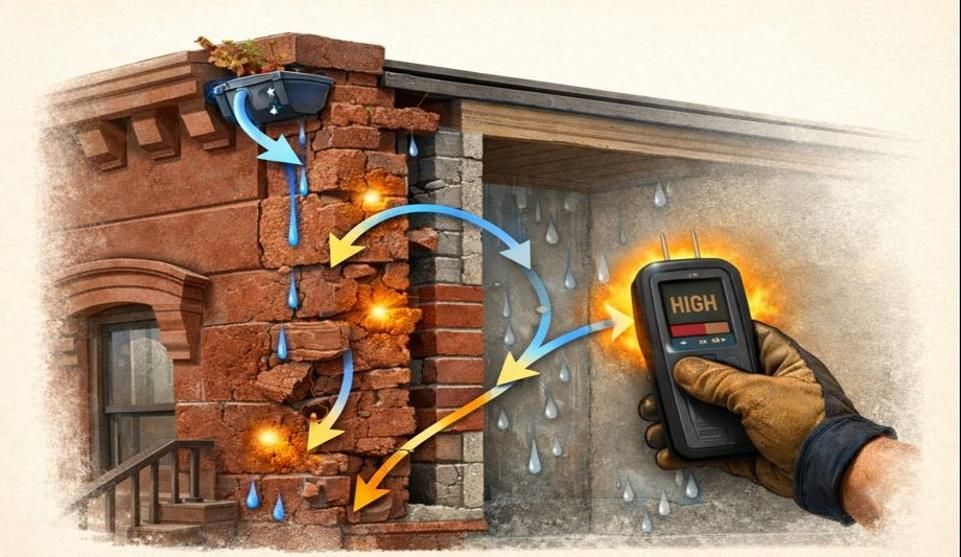
Water moving through masonry walls carries dissolved salts. As water evaporates, these salts crystallize and expand, creating pressure within the pores of both brick and mortar. This process often results in:
Efflorescence
White, powdery deposits on brick surfaces indicating:
- Active water movement through walls
- Dissolved salt migration
- Potential hidden deterioration within the wall system
Chemical Deterioration
Urban environments like the Bronx expose masonry to additional risks:
- Acid rain accelerates mortar decomposition
- Air pollutants react with masonry materials
- Carbon dioxide causes carbonation of lime-based mortars
Early Warning Signs of Water Damage
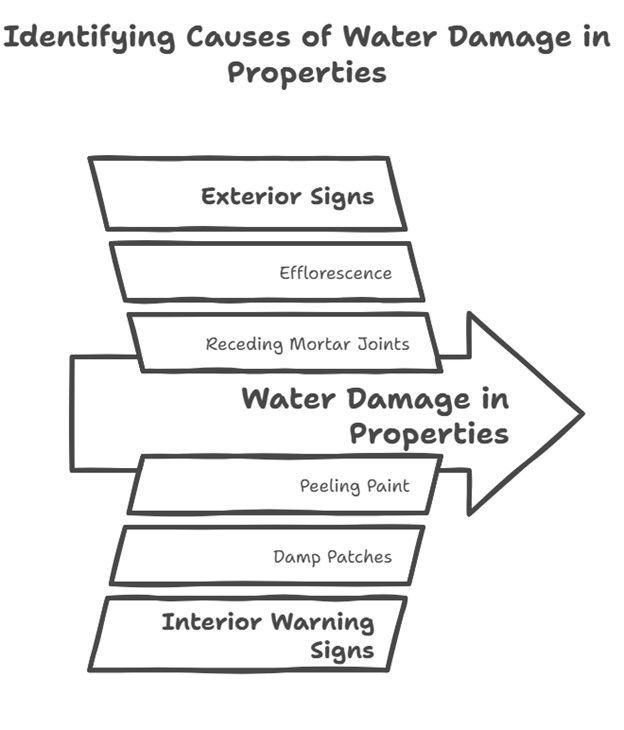
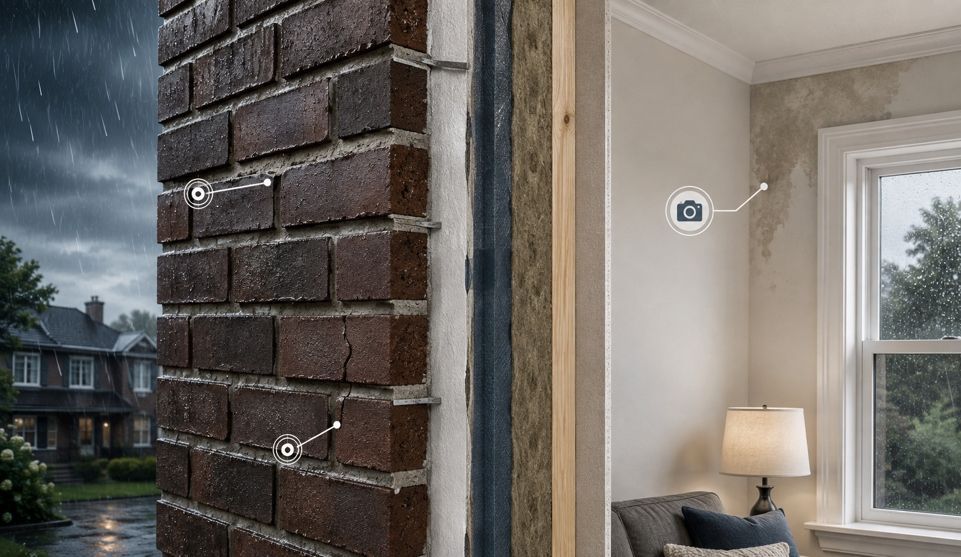
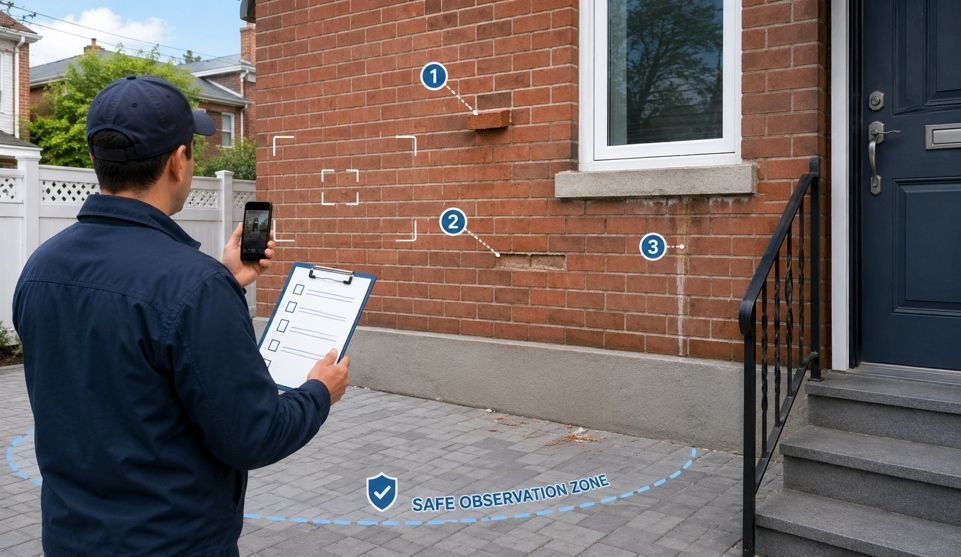
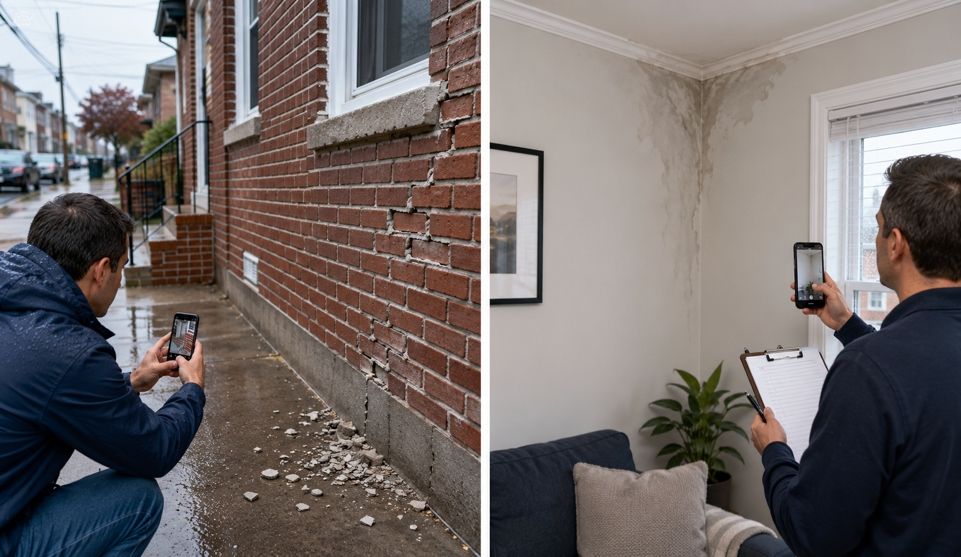
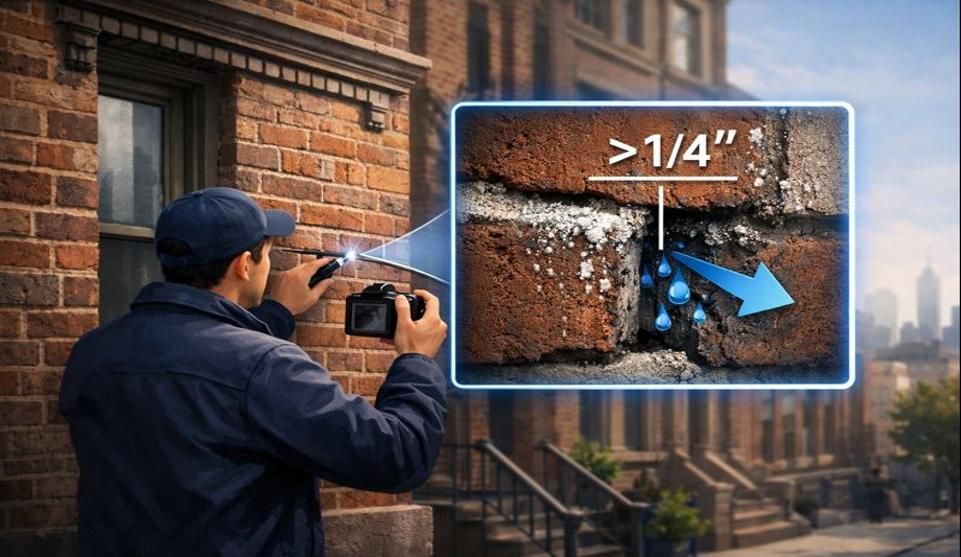
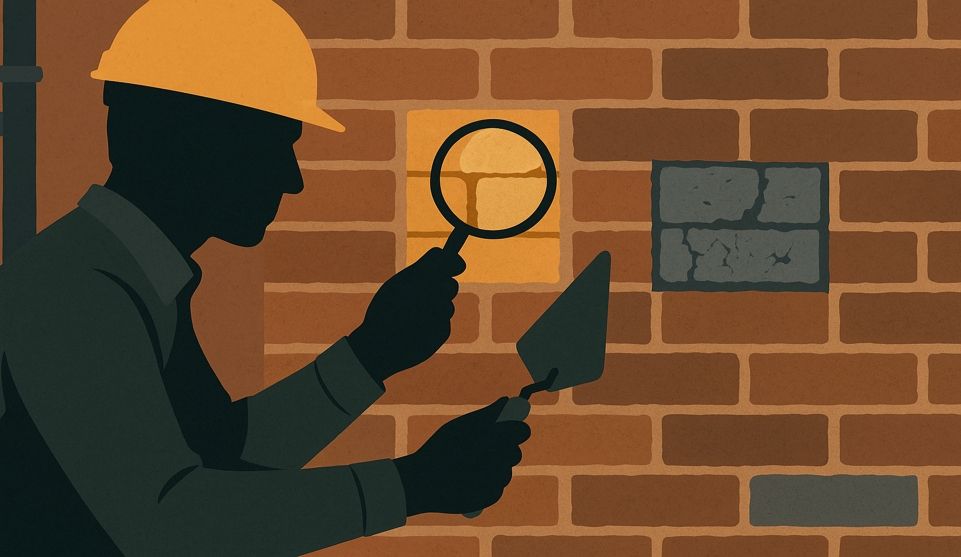
Regular inspection helps identify problems before they become severe. When evaluating the need for brick pointing in Bronx, NY properties, look for these indicators:
Exterior Signs
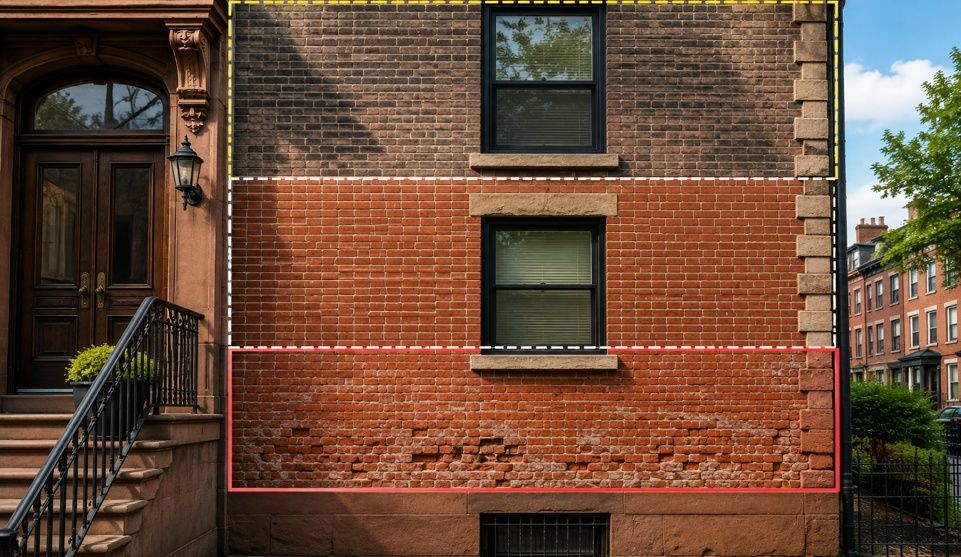
- Receding mortar joints (mortar surface sits deeper than brick face)
- Network of fine cracks in mortar joints
- Efflorescence (white, powdery deposits)
- Spalling brick surfaces (flaking or peeling)
- Dark, consistently damp areas
- Green growth indicating trapped moisture
Interior Warning Signs
- Damp patches on plaster or wallpaper
- Musty odors near exterior walls
- Peeling paint or bubbling wallpaper
- Salt deposits on interior wall surfaces
- Crumbling plaster
Proper Pointing Techniques
According to the National Park Service Preservation Brief 2, proper pointing requires specific techniques and considerations.
Mortar Joint Preparation
- Remove deteriorated mortar to a minimum depth of 1 inch, or 2-2.5 times the joint width (whichever is greater).
- Use careful removal methods to avoid damaging brick edges.
- Thoroughly clean joints before applying new mortar.
- Pre-wet joints to prevent rapid moisture loss.
Mortar Selection
Critical factors in choosing appropriate mortar:
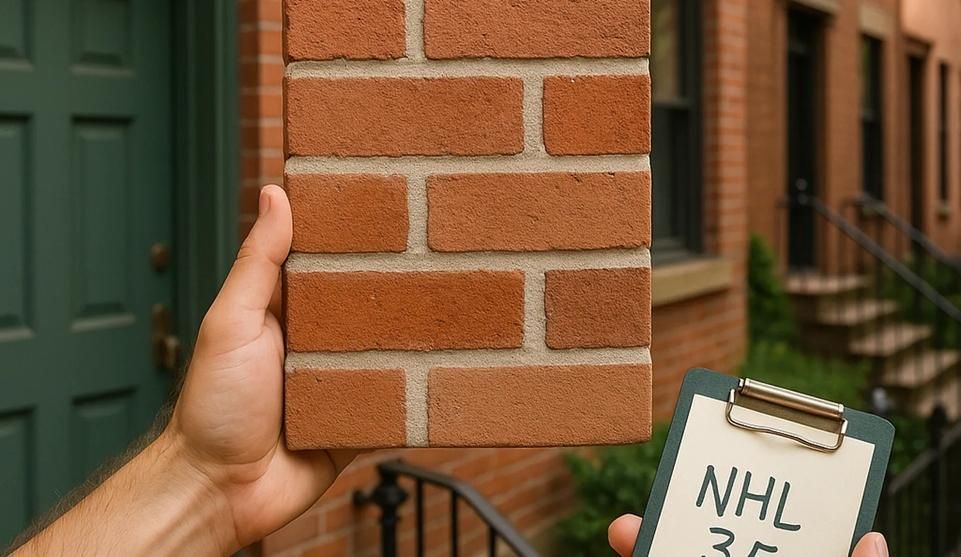
- Matching original mortar composition when possible
- Ensuring compatibility with historic brick strength
- Maintaining proper water permeability
- Accommodating building movement
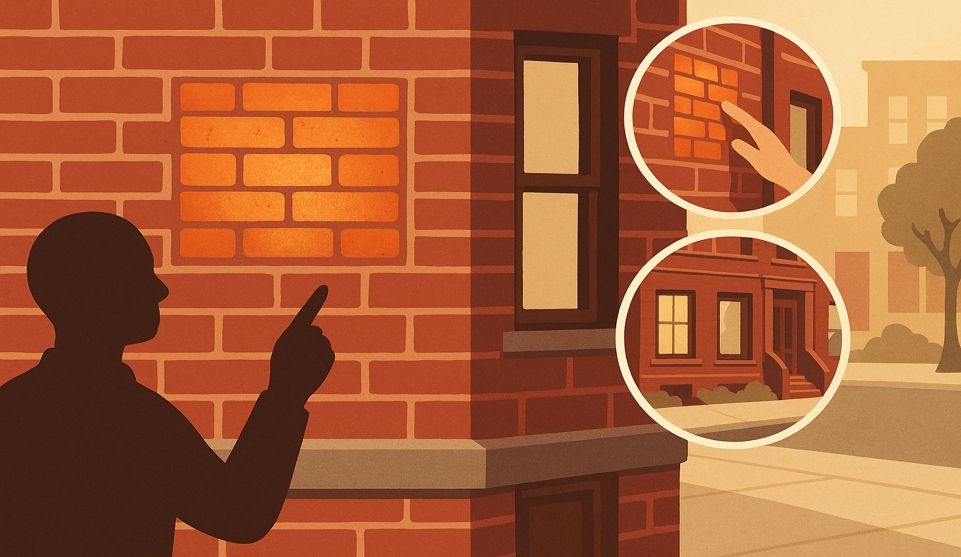
- Matching original joint color and texture
Application Requirements
Proper pointing technique includes:
- Application in layers of 1/4 to 3/8 inch thickness for joints deeper than 3/4 inch
- Allow each layer to become thumbprint-hard before applying the next
- Full compression of mortar into the joint
- Proper tooling to match historic joint profile
- Protection from rapid drying
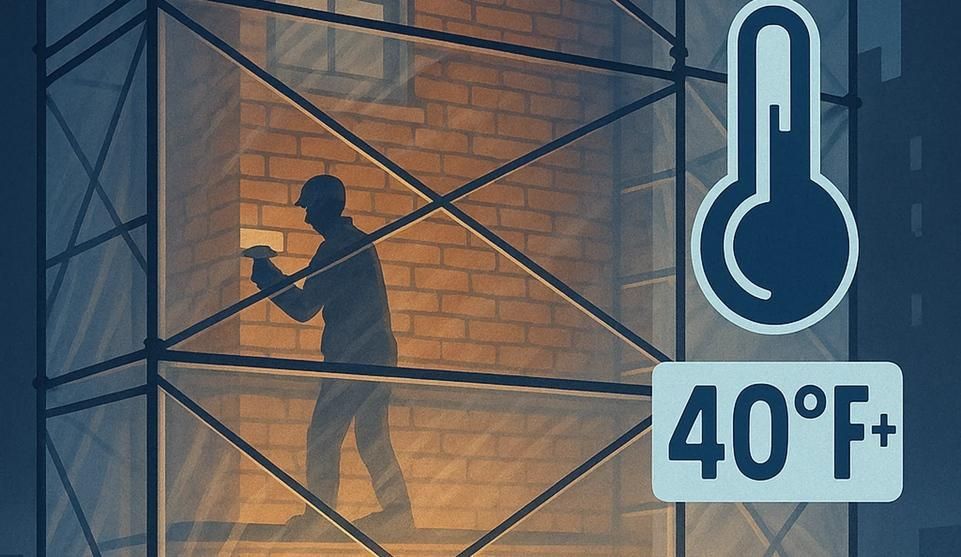
- Temperature control during curing (ideally 60-70°F, with an acceptable range of 40-90°F)
Professional Assessment Guidelines
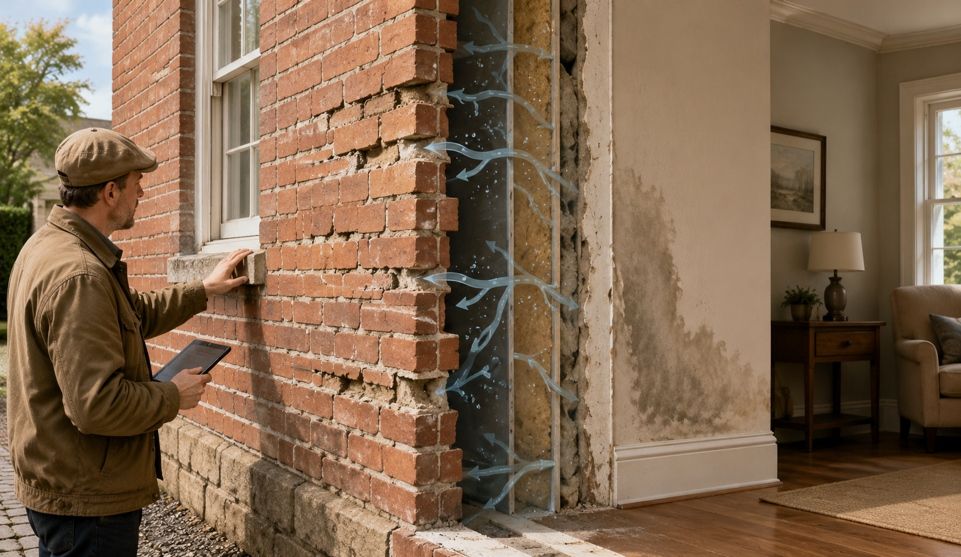
While visual inspections are important, certain conditions require professional evaluation.
When to Seek Professional Help
- Mortar deterioration extends beyond surface level
- Multiple areas show water infiltration
- Previous repairs are failing
- Interior walls display moisture damage
- Historic mortar needs matching
- Structural cracks appear in walls
Selecting a Qualified Contractor
Look for professionals who demonstrate:
- Membership in professional organizations like the International Masonry Institute
- Specific experience with historic masonry preservation
- Knowledge of ASTM standards for masonry
- Documented experience with traditional materials and methods
- Successful completion of similar historic projects
- Understanding of local building codes and preservation requirements
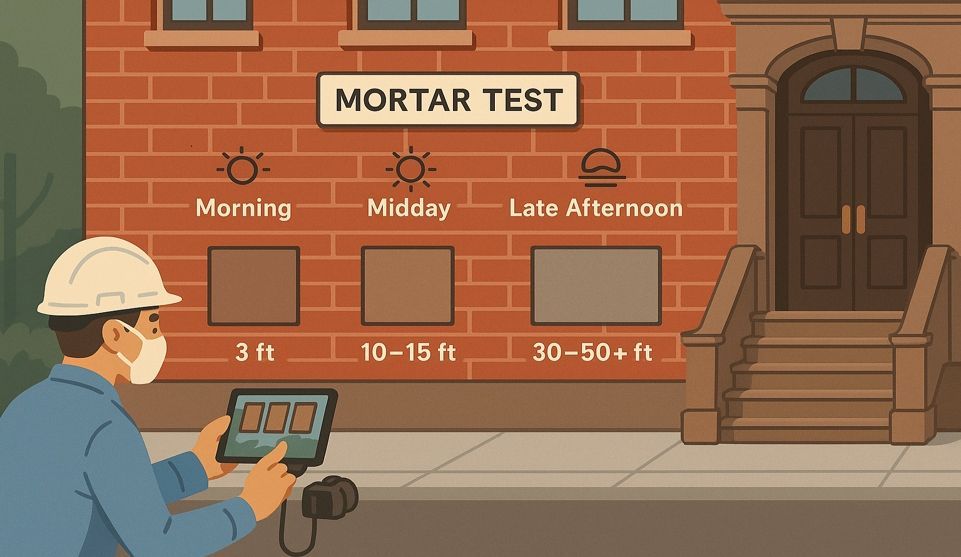
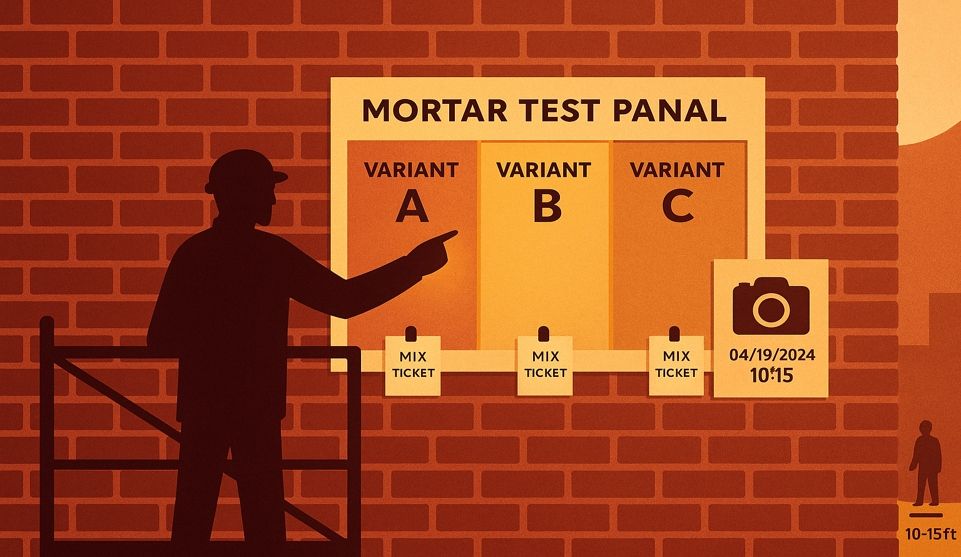
- Willingness to perform test panels
- Proper insurance and licenses
Maintenance Schedule
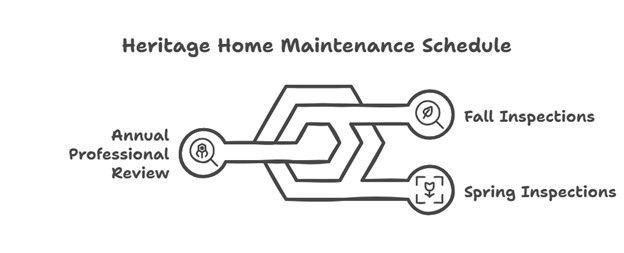
Implement this maintenance timeline to protect your heritage home:
Seasonal Inspections
Spring:
- Check for winter freeze-thaw damage.
- Document any new cracks or deterioration.
- Clean gutters and downspouts.
- Verify proper drainage away from foundation.
Fall:
- Prepare for freeze-thaw season.
- Address any loose or deteriorating mortar.
- Check roof and flashing condition.
- Clear vegetation from walls.
Annual Professional Review
Schedule yearly professional inspections focusing on:
- Overall masonry condition assessment
- Documentation of changes since last inspection
- Identification of priority repair areas
- Development of maintenance plans
- Updated cost estimates for needed repairs
Conclusion
Maintaining heritage homes through proper brick pointing in Bronx, NY requires understanding proper techniques and implementing regular maintenance.
Addressing issues early can prevent more costly repairs later. Schedule a professional inspection if you notice any warning signs or if it's been more than a year since your last assessment.
Frequently Asked Questions (FAQs)
Q: How often should heritage homes in the Bronx undergo brick pointing inspection?
A: Schedule professional inspections annually, plus additional checks after severe storms or extreme temperature fluctuations.
Q: What makes historic lime mortar different from modern cement-based mortar?
A: Historic lime mortar is generally softer, more flexible, and allows walls to "breathe." It can heal hairline cracks through recrystallization and is compatible with historic bricks, unlike harder modern cement mortars.
Q: How long does properly executed pointing last?
A: The lifespan varies significantly based on multiple factors, including:
- Material quality
- Craftsmanship
- Climate conditions
- Exposure to weathering
- Mortar and brick types
- Ongoing maintenance
While 25-50 years is typical, regular inspections are essential to monitor condition and address any issues promptly.
Q: What causes efflorescence?
A: Efflorescence occurs when water moving through masonry dissolves salts and carries them to the surface. As water evaporates, it leaves behind white, powdery salt deposits, indicating active water movement through the wall.
Q: Can I clean efflorescence myself?
A: While surface efflorescence can be brushed off, its presence indicates water infiltration requiring professional evaluation. Address the underlying water issue rather than just removing the visible deposits.
Additional Technical Considerations
Q: How do urban environmental factors affect heritage masonry?
A: Urban pollutants create acidic conditions that accelerate mortar deterioration. Factors such as:
- Vehicle emissions
- Industrial pollution
- Acid rain can all compromise traditional lime mortars more quickly than in rural settings.
Q: What role does wall thickness play in historic masonry performance?
A: Heritage walls, typically thicker than modern construction, manage moisture through their mass and ability to buffer humidity fluctuations.
This system allows gradual wetting and drying cycles that help protect the building, provided the mortar joints remain in good condition.
Q: How do changes in building use affect masonry performance?
A: Modern heating, cooling, and ventilation systems can alter traditional moisture movement patterns in heritage walls.
This often requires adjustments to maintenance approaches to prevent condensation and moisture problems.
Q: Why do some areas of mortar deteriorate faster than others?
A: Exposure to sun, wind, and rain varies across a building’s facade.
Areas near:
- Downspouts
- Below windows
- Where different materials meet often show accelerated wear due to concentrated water exposure or movement stress.
Q: How does proper pointing affect indoor air quality?
A: Well-maintained pointing helps manage wall moisture content, reducing mold risk and supporting natural vapor transmission.
This contributes to healthier indoor environments while protecting the building structure.
References
- National Park Service, Preservation Brief 2:
Repointing Mortar Joints in Historic Masonry Buildings, by Robert C. Mack, FAIA, and John P. Speweik (Washington, D.C.: National Park Service, 1998) - "Repointing Techniques."
- Read the full document here
Protect Your Historic Home with Expert Brick Pointing
Preserve the beauty and structural integrity of your heritage home with professional brick pointing from City Suburb Inc. Our expert team specializes in restoring historic masonry, preventing water damage, and enhancing curb appeal. With years of experience serving Bronx, Queens, Brooklyn, Manhattan, and beyond, we use time-tested techniques and high-quality materials to ensure long-lasting results.
🛠️
Why Choose City Suburb Inc.?
✔️
Experienced Professionals – Skilled in historic masonry restoration
✔️
Water Damage Prevention – Protects against freeze-thaw cycles & moisture infiltration
✔️
Aesthetic & Structural Restoration – Revives the original beauty of your home
⭐ “Brick masonry pointing job was performed superbly. Neat, quickly and the price was excellent for the quality of work.” – Michael Rene
Don't wait for small issues to turn into costly repairs. Schedule a free estimate today! Call us now or browse our website to learn more about our brick pointing and masonry restoration services.
📞 Call Now: 718-849-8999
🔍 See Our Work! Follow us on Instagram: @citysuburbbuilders