What Is a Rubber Roof? Benefits, Lifespan, and Why It’s Ideal for Certain Properties
In the world of roofing, innovation is key to providing long-lasting, efficient solutions. Rubber roofing, particularly EPDM (Ethylene Propylene Diene Monomer), has gained prominence as one of the most reliable and cost-effective roofing materials, especially for flat or low-slope roofs. As commercial and residential property owners seek more durable, energy-efficient, and environmentally friendly alternatives to traditional roofing materials, rubber roofing emerges as a strong contender. Known for its flexibility, weather resistance, and low maintenance requirements, rubber roofing is quickly becoming a go-to choice for those seeking long-term performance. Additionally, its ability to reduce energy costs through superior insulation and UV reflection makes it an increasingly popular option in the roofing industry. As the demand for sustainable construction practices continues to rise, rubber roofing is proving to be a solution that addresses both functional and eco-conscious needs.
With a wide range of benefits, rubber roofing offers impressive longevity, environmental sustainability, and a host of other advantages that make it an ideal choice for specific property types. Whether you're replacing an aging roof or installing a new one, understanding what rubber roofing entails can help you make an informed decision. The material's ability to adapt to varying roof shapes, combined with its minimal upkeep, makes it particularly attractive for properties with complex roof designs. This blog explores the key benefits of rubber roofs, their expected lifespan, and why they are a perfect fit for particular property types. Whether you’re a homeowner, business owner, or roofing professional, this guide will provide valuable insights into why rubber roofing could be the solution you’re looking for, offering a blend of practicality, sustainability, and cost-efficiency.
What Is a Rubber Roof?
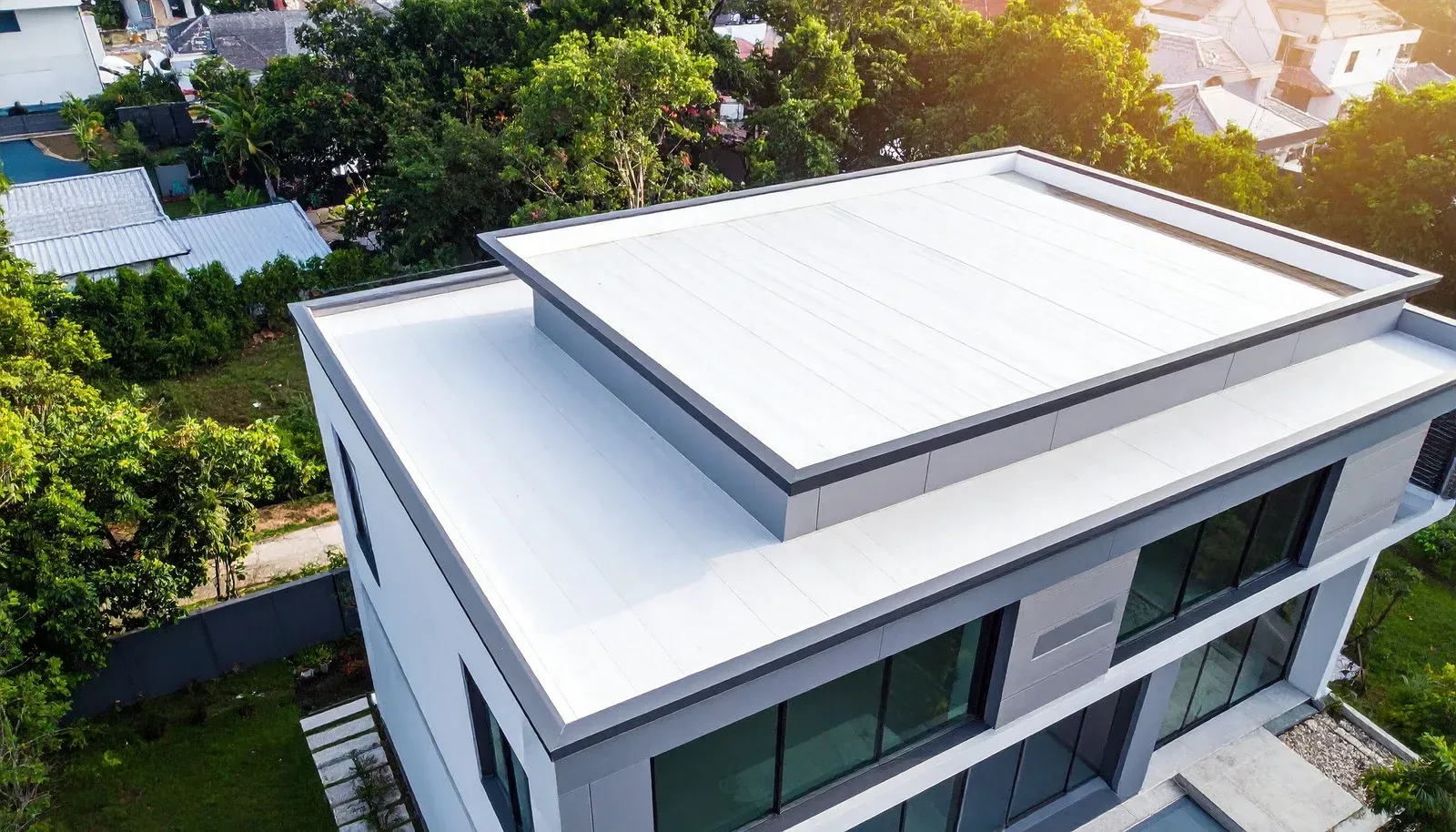
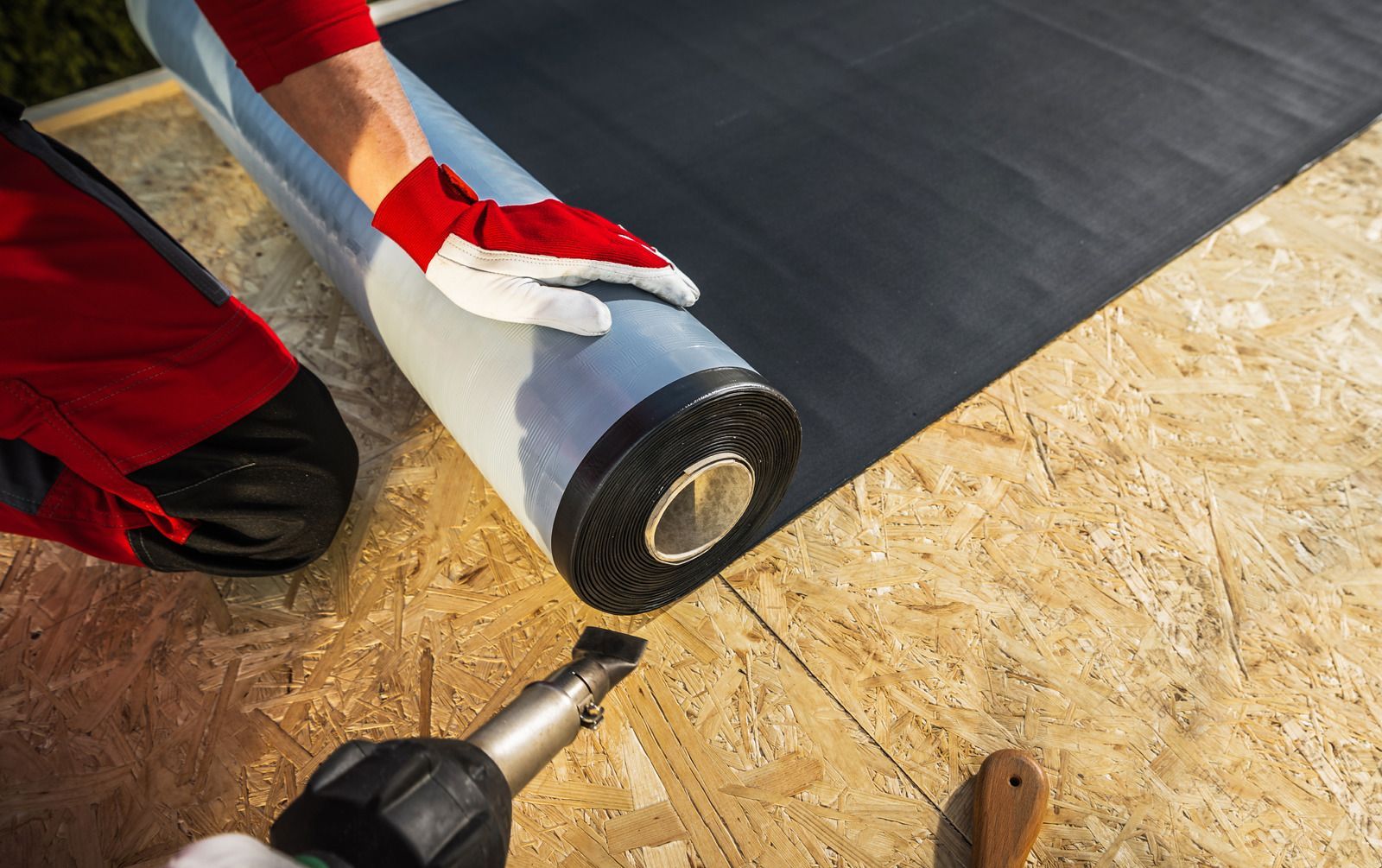
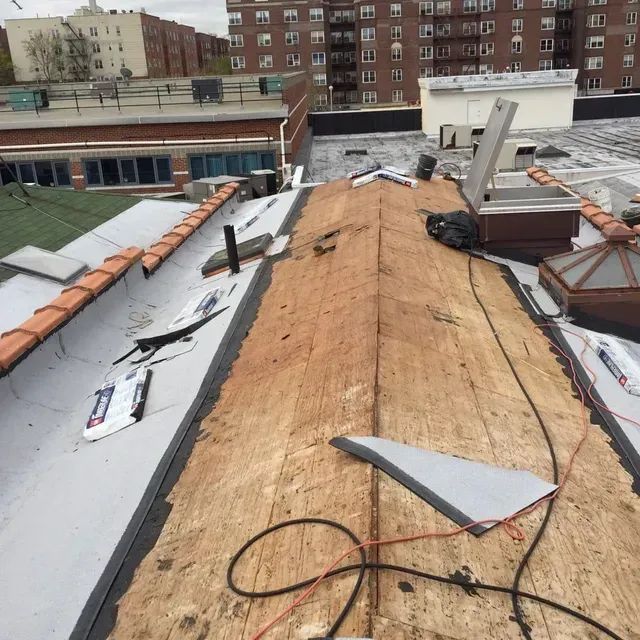
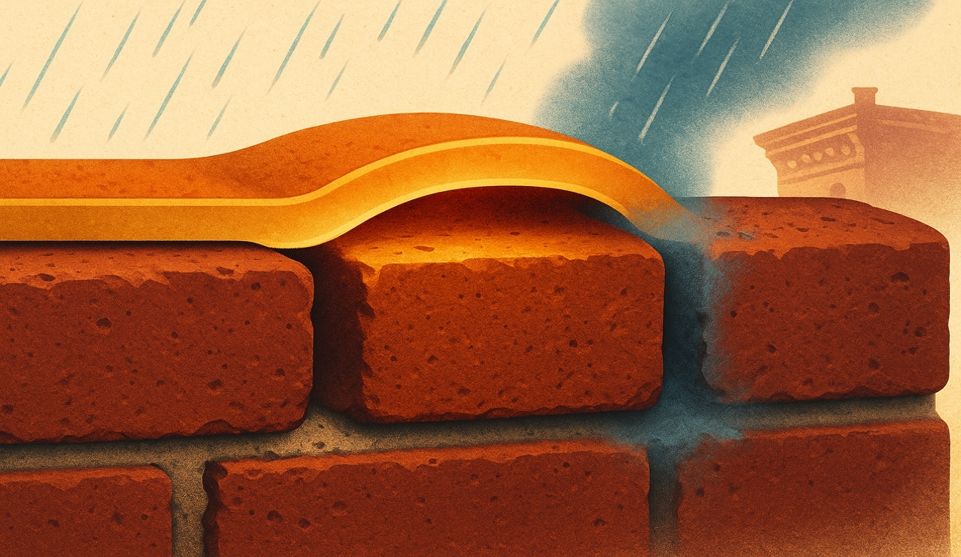
Rubber roofing refers to a roofing system made from synthetic rubber material, typically EPDM, that is applied to flat or low-slope roofs. EPDM is a highly durable and flexible material that is capable of withstanding extreme weather conditions, from intense UV rays to freezing temperatures. Rubber roofing is often installed as large sheets or rolls, which are then sealed together to create a seamless, water-resistant barrier for the building beneath.
The Material
EPDM rubber is primarily composed of ethylene, propylene, and diene monomers. The resulting material is resistant to weathering, ozone degradation, and UV radiation, making it one of the most durable roofing options available. Other rubber roofing options include TPO (Thermoplastic Olefin) and PVC, though EPDM remains the most commonly used. Rubber roofing is also known for its light weight, which reduces the structural load on a building compared to traditional roofing materials like asphalt or tile.
How Rubber Roofs Are Installed
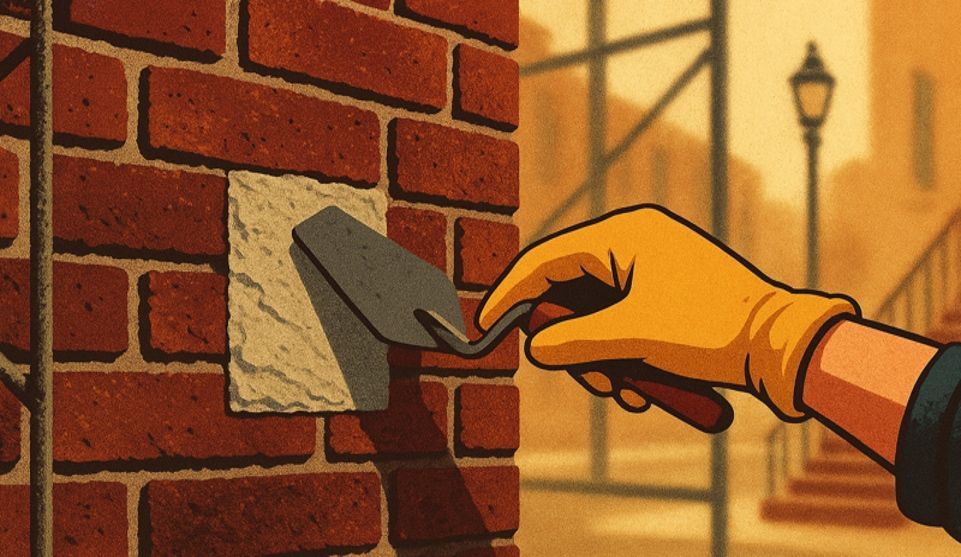
Rubber roofing systems are typically applied in large sheets, with minimal seams, which reduces the risk of leaks. Installation methods can include fully adhered, ballasted, or mechanically fastened systems, depending on the project’s requirements and local building codes. Proper installation is crucial to ensure that the roof functions as expected, preventing water infiltration and maximizing longevity.
Benefits of Rubber Roofing
1. Durability and Longevity
Rubber roofing is renowned for its exceptional durability. When properly installed and maintained, it can last for over 30 years, far outlasting traditional roofing materials like asphalt shingles. This longevity is due to EPDM’s resistance to a wide range of environmental factors, such as ultraviolet radiation, extreme temperatures, and weather conditions like rain and snow. In fact, rubber roofing can resist cracking, splitting, or blistering, even under the harshest conditions, making it ideal for climates with extreme temperature fluctuations.
2. Low Maintenance Requirements
One of the major advantages of rubber roofs is their low maintenance needs. EPDM roofs do not require frequent repairs, re-coating, or re-sealing like other types of roofing materials. In fact, the rubber’s weather-resistant properties help it maintain its integrity over time, reducing the need for costly maintenance services. Periodic inspections to check for debris or damage are usually all that’s needed to keep the roof in good condition.
3. Cost-Effectiveness
While rubber roofing may initially cost more than some traditional roofing materials, its long lifespan and minimal maintenance needs make it a highly cost-effective option over time. Its ability to reflect UV rays also reduces cooling costs for buildings, making it an energy-efficient option that can save money on air conditioning bills. Additionally, rubber roofs can often be installed over existing roofing materials, further reducing the cost and time associated with installation.
4. Environmentally Friendly
Rubber roofing is a sustainable option that contributes to a greener environment. Many rubber roofs are made from recycled materials, including old tires, which helps reduce waste and promote recycling. Moreover, EPDM roofing is energy-efficient, as it reflects a significant amount of UV radiation, reducing the amount of heat absorbed by the building. This cooling effect contributes to lower energy consumption, particularly in hot climates.
Rubber Roof Lifespan: How Long Can You Expect Your Rubber Roof to Last?
The longevity of a rubber roof is one of its most attractive features. On average, an EPDM rubber roof can last between 25 and 30 years with minimal maintenance. Factors that can affect the lifespan of a rubber roof include the quality of the installation, the environmental conditions, and how well the roof is maintained over the years.
Climate and Weather Conditions
Rubber roofing is particularly suited for areas with harsh weather conditions, such as high winds, heavy rain, and intense heat. The material’s ability to withstand UV radiation and extreme temperatures makes it ideal for both hot and cold climates. In regions where other roofing materials might crack, warp, or degrade due to harsh sunlight, rubber roofing stands up to the challenge.
Proper Maintenance for Longevity
While rubber roofs require minimal maintenance, it is essential to periodically check for debris or damage that could cause issues down the line. Rubber roofing systems are highly resistant to most common roofing problems, such as leaks, but the integrity of the seams must be preserved. Regular cleaning to remove leaves, dirt, and other debris ensures that the roof can drain properly and avoids potential damage caused by standing water. Additionally, inspecting for punctures or tears during heavy storms or after extreme weather can help prevent major repairs.
Why Rubber Roofs Are Ideal for Certain Properties
1. Commercial Buildings
Commercial buildings with flat or low-slope roofs are some of the best candidates for rubber roofing. The large, expansive surfaces of these roofs are perfect for the seamless installation of EPDM rubber. The low maintenance and long lifespan are especially valuable for commercial property owners who want to reduce operational costs associated with roof upkeep. Rubber roofs also provide energy-saving benefits, making them ideal for businesses looking to reduce utility bills and increase sustainability.
2. Residential Homes
While traditionally used for commercial properties, rubber roofing is gaining popularity in residential applications, especially for flat roofs, garages, or extensions. Homeowners appreciate the durability and cost-effectiveness of rubber roofs, especially in regions prone to extreme weather conditions. Rubber roofing is also an excellent option for environmentally conscious homeowners due to its energy-efficient and recycled materials. Its ability to reflect UV rays can help keep homes cooler, especially during summer, reducing the reliance on air conditioning.
3. Sustainable Properties
For property owners committed to sustainability and reducing their environmental impact, rubber roofing is an ideal choice. Made from recycled materials, rubber roofs help minimize waste and contribute to a more eco-friendly construction approach. Their energy-saving properties further promote sustainability by reducing the building’s overall carbon footprint. Rubber roofs are particularly well-suited for properties looking to obtain green certifications or meet specific environmental standards.
4. Properties with Challenging Roof Designs
Flat roofs or roofs with low slopes often pose a challenge for traditional roofing materials, which may not adhere properly or may be prone to leaks. Rubber roofing is particularly effective for these types of roof designs. The flexibility of rubber allows it to conform to the shape of the roof, ensuring a tight, leak-resistant seal. Furthermore, its ability to expand and contract with temperature changes means it is less likely to crack or shift, making it a reliable option for such roof types.
Dependable Rubber Roof Systems Tailored to Your Needs
Rubber roofing, particularly EPDM, offers exceptional durability, longevity, and cost-efficiency, making it a standout choice for properties with flat or low-slope roofs. Its resistance to weather elements, low maintenance needs, and energy-saving properties make it an attractive option for both commercial and residential buildings. For property owners looking to invest in a long-lasting, sustainable roofing solution, rubber roofing presents a reliable and cost-effective choice.
At City Suburb, we understand the importance of quality roofing solutions. Our expertise in rubber roofing ensures that every installation is done to the highest standards, providing long-term performance and peace of mind. Whether you're looking to install a new roof or replace an old one, we offer professional guidance, reliable services, and top-notch materials. Serving Queens, NY, for 20
years, we take pride in delivering roofing solutions tailored to your unique needs. Trust us to provide durable, efficient, and environmentally friendly roofing systems that will stand the test of time. Reach out today for a consultation and experience why so many homeowners and businesses rely on us for their roofing needs.