How Our Roof Repair Process Works: Fast, Reliable Solutions That Protect Your Property

March 26, 2026

A roof is more than just a structure over your head—it’s the first line of defense against weather, pests, and environmental wear and tear. Over time, roofs face constant exposure to rain, snow, wind, and sunlight, which can lead to leaks, weakened materials, and structural damage. Despite its critical role, many homeowners often overlook small signs of deterioration until they escalate into costly problems. Understanding how a professional roof repair process works is essential for maintaining your property’s value, safety, and energy efficiency. Investing in reliable roof repair services ensures that minor issues are addressed promptly, preventing long-term damage and safeguarding your home against unexpected emergencies.


Professional roof repair combines a systematic approach with expert knowledge of materials, techniques, and building codes. From inspection to project completion, every step matters to ensure the repair is durable, efficient, and tailored to your property’s specific needs. By following a structured process, roofing specialists not only fix existing problems but also identify potential vulnerabilities, offering proactive solutions that save money and reduce stress in the long run. This blog will take you through each stage of a professional roof repair process, highlighting best practices, real-world scenarios, and actionable insights that every homeowner should know.

Initial Inspection: Identifying Problems Early

  • The Importance of a Thorough Roof Inspection

    Before beginning any repair work, a detailed inspection is essential. Roof damage often appears in ways not visible from the ground. Professional roofing contractors conduct comprehensive assessments, examining shingles, flashing, gutters, and underlying structures for wear. This approach identifies leaks, weak spots, and water damage, preventing issues from escalating into major, costly structural problems over time.

  • Common Issues Detected During Inspection

    Inspections often reveal common issues such as cracked or missing shingles, deteriorating underlayment, rusted flashing, or clogged gutters. In some cases, damage extends to the attic or insulation, causing mold growth. Detecting problems early allows targeted repairs instead of full replacements, saving homeowners time, money, and stress while ensuring that minor roof issues don’t develop into emergency situations

  • Real-World Example

    A homeowner may notice water stains on the ceiling but not realize a shingle is loose at the roof’s edge. Professional inspection identifies the exact source and extent of damage. Targeted repairs prevent leaks from escalating into serious structural problems. Early inspection provides homeowners peace of mind, protecting property value and preventing costly repairs before small issues become major emergencies.

Assessment and Planning: Custom Solutions for Every Roof

Evaluating Damage Severity

After inspection, roofing teams evaluate damage severity and overall roof integrity. Factors considered include roof age, materials, and maintenance history. Minor problems may require patching or shingle replacement, while extensive damage could necessitate partial or full replacement. Accurate assessment ensures repairs are proportionate to the problem and prevents future complications caused by incomplete or incorrect fixes

Developing a Repair Strategy

Professional roof repair services develop customized repair strategies tailored to each property. This plan details repair methods, necessary materials, timeline, and estimated costs. Planning also addresses preventive solutions, such as upgraded flashing, reinforced weak points, and improved ventilation. A clear repair strategy minimizes errors and ensures the roof is fully restored, durable, and better protected against future damage.

Benefits of Proper Planning

Proper assessment and planning improve repair efficiency and reduce the risk of mistakes. Homeowners experience fewer disruptions during the project, and repairs comply with building codes and manufacturer warranties. Careful planning also facilitates insurance claims, ensuring transparency and accountability. Ultimately, thorough preparation guarantees repairs are long-lasting, cost-effective, and provide homeowners confidence that their roof will remain reliable and secure

Preparation and Safety Measures: Setting the Stage for Efficient Work

  • Preparing the Worksite

    Before starting repairs, the surrounding area is carefully prepared. This includes removing debris, covering landscaping, and ensuring access for tools and materials. Protecting property is critical to prevent accidental damage to siding, gutters, or outdoor structures. Organized preparation also facilitates smooth workflow, enabling roofing professionals to complete repairs efficiently while maintaining the safety of both workers and residents throughout the project.

  • Safety Protocols

    Roof repair is inherently risky, so safety is a top priority. Professionals use harnesses, guardrails, and protective equipment to prevent falls. Additionally, they monitor weather conditions closely, avoiding work during high winds, heavy rain, or extreme temperatures. By adhering to strict safety protocols, roofing teams protect both workers and homeowners, ensuring repairs are completed without accidents or interruptions.

  • Minimizing Disruption

    Careful preparation reduces disruptions to homeowners’ daily routines. Organizing materials, staging equipment, and coordinating work schedules allows repairs to proceed smoothly and efficiently. Residents can continue normal activities without major interruptions while roofing professionals carry out their work. A well-prepared worksite also reduces repair time, helping homeowners return to a fully functional, secure roof with minimal inconvenience.

Roof Repair Execution: Techniques That Deliver Long-Term Protection

Shingle Replacement and Repair

Shingle replacement is one of the most common repair tasks. Damaged shingles are removed and replaced with new ones that match the existing roof. Proper alignment, secure attachment, and adequate sealing prevent water infiltration. Correct installation ensures both durability and aesthetic consistency. Professional expertise guarantees the repair withstands future weather conditions, protecting the home’s structural integrity and maintaining its curb appeal

Fixing Leaks and Flashing

Leaking areas are sealed, and flashing is repaired or replaced. Flashing is crucial around chimneys, vents, and skylights, preventing water from entering vulnerable areas. Even small errors in flashing installation can lead to recurring leaks. Professional attention ensures proper sealing and alignment, protecting the roof’s most sensitive points. Accurate repair reduces future risks and prolongs the roof’s lifespan significantly.

Advanced Repair Techniques

For larger or complex problems, experts may reinforce structural components, replace underlayment, or repair decking. Modern materials improve durability, weather resistance, and energy efficiency. These advanced techniques extend the roof’s lifespan and performance, even under harsh conditions. By addressing both visible and hidden issues, professional teams provide comprehensive solutions that protect homeowners from recurring damage, costly repairs, and structural concerns.

Preventive Maintenance: Extending the Life of Your Roof

  • Regular Roof Maintenance

    Roof repair is only part of long-term roof care. Preventive maintenance ensures your roof lasts for decades. Routine inspections, debris removal, and gutter cleaning identify potential issues before they escalate. Regular maintenance preserves structural integrity, prevents water infiltration, and extends roof lifespan. Proactive care also reduces the need for costly emergency repairs and maintains the overall value of the property over time

  • Best Practices for Homeowners

    Homeowners can play a role in roof longevity by keeping gutters clean, trimming overhanging branches, and addressing small repairs immediately. Scheduling annual professional inspections ensures that all elements are checked thoroughly. Combining homeowner care with expert assessments maximizes protection against leaks, weather damage, and deterioration, reducing stress and providing peace of mind regarding the roof’s long-term performance and safety

  • Long-Term Benefits

    Routine maintenance protects property value, improves energy efficiency, and prevents unexpected emergencies. It also prolongs the life of roofing materials, reducing overall repair costs over time. By combining immediate repairs with ongoing preventive measures, homeowners ensure a secure, durable roof. This proactive approach keeps homes safe, prevents structural damage, and provides peace of mind that roofing investments are protected.

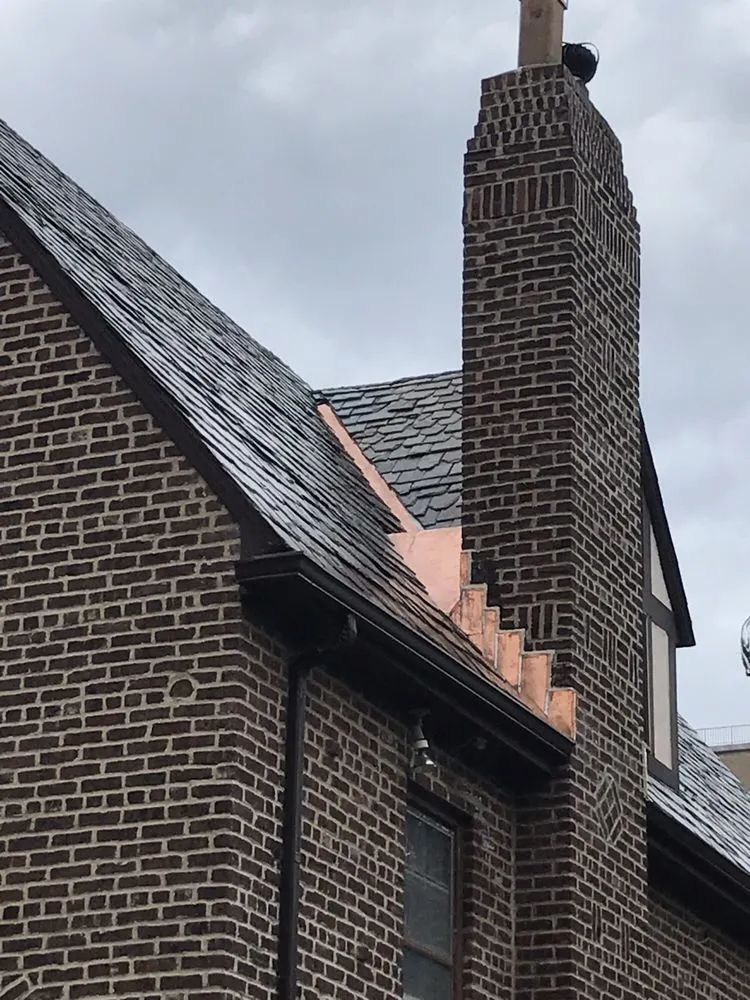
Brick building with slate roof, copper flashing, and chimney against a cloudy sky.
February 28, 2026
Your roof is more than just a protective layer over your home—it’s a vital component that shields your family, belongings, and property value from the elements. Over time, exposure to harsh weather conditions, aging materials, and wear and tear can compromise your roof’s integrity.
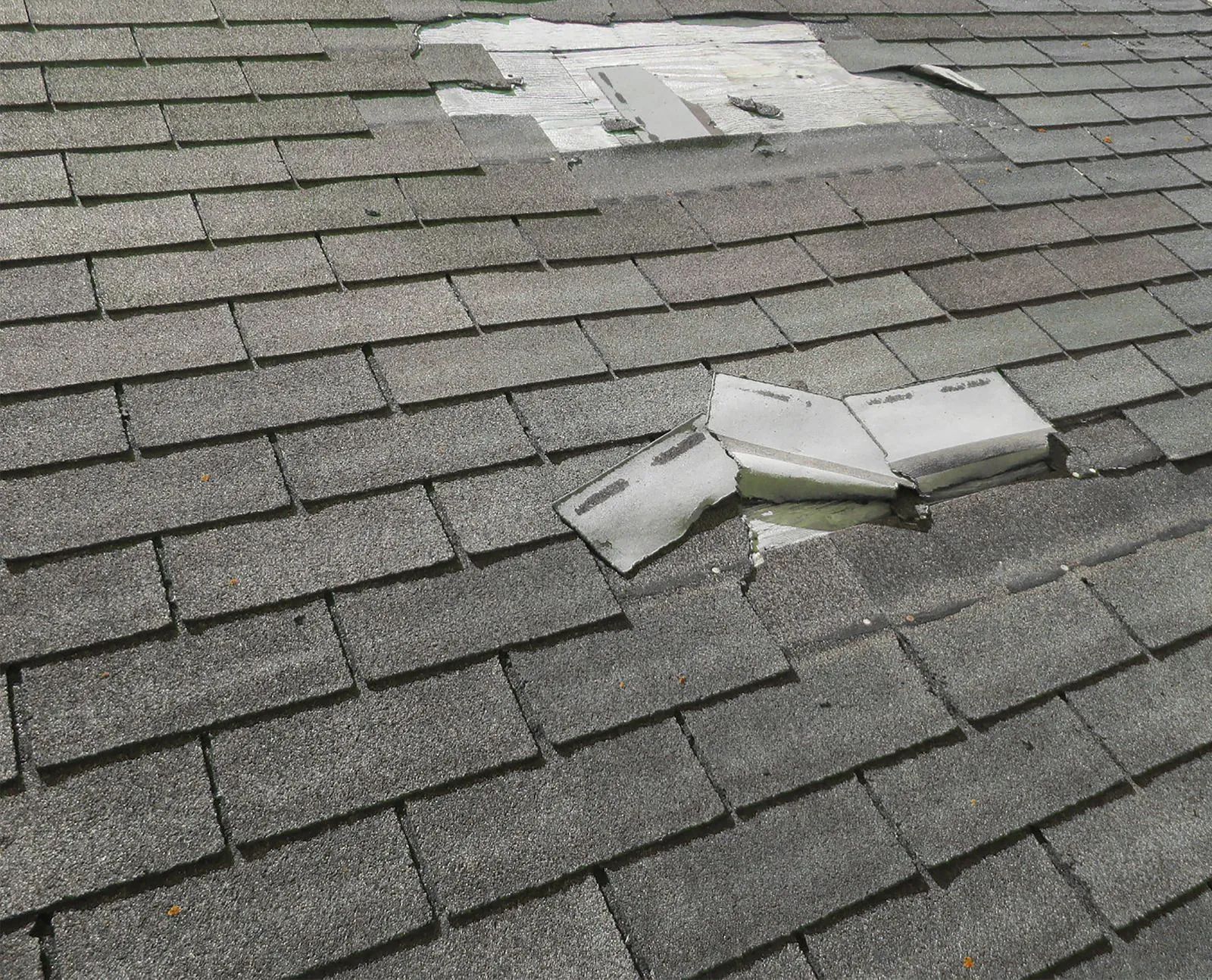
Damaged asphalt shingle roof with missing shingles. Gray, weathered texture with visible underlayment.
January 28, 2026
Your roof is more than just a structural necessity—it’s your home’s first line of defense against the elements. Yet, many homeowners unknowingly neglect minor roof issues, assuming they are harmless or will resolve on their own.
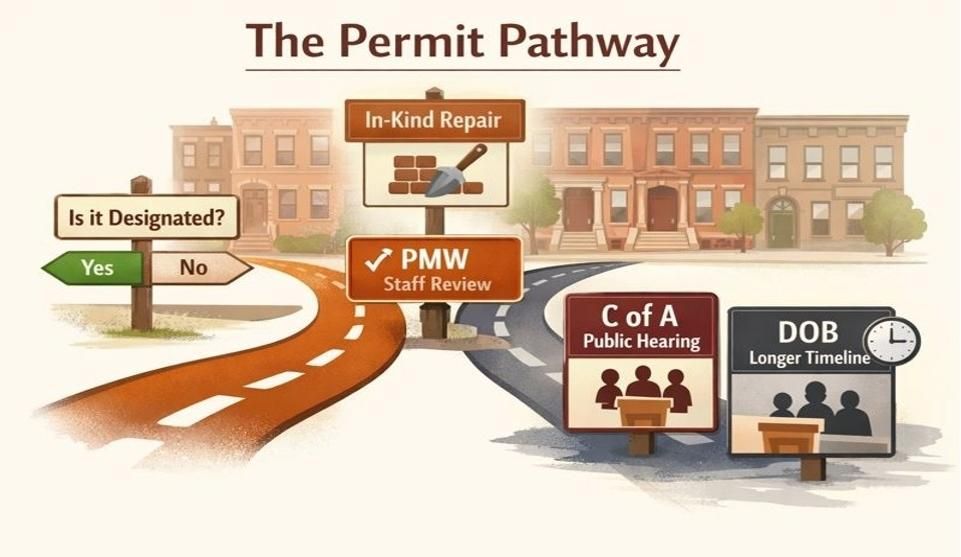
Decision flow: Is it designated? Leads to PMW (staff review) or C of A/DOB (public review).
By City Suburb Insights Team January 22, 2026
Verify your brownstone's landmark status using the LPC map before calling contractors—designation and repair scope determine which permit pathway you need.
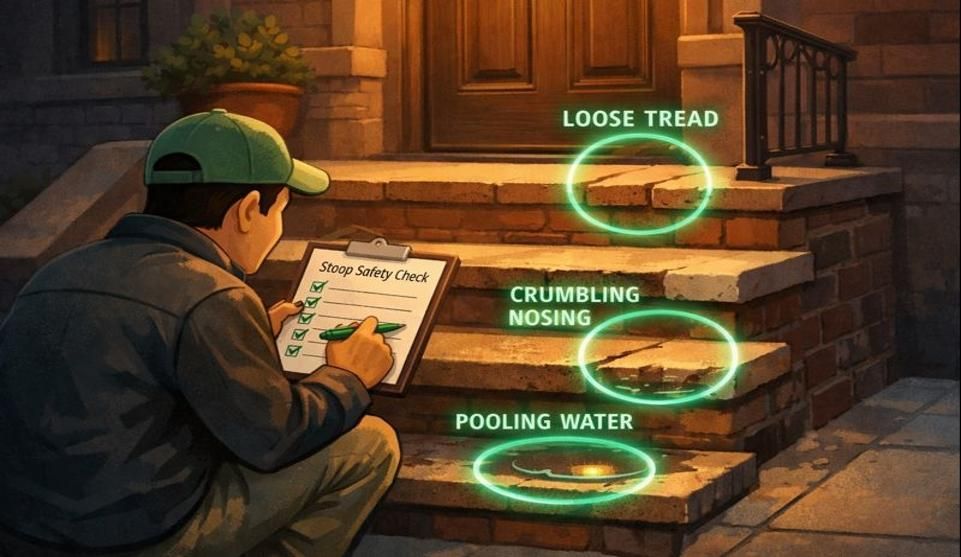
Stylized brownstone stoop with checklist highlighting loose treads, crumbling edge, pooling water.
By City Suburb Insights Team January 15, 2026
Assess brownstone stoop safety using 9 warning signs—from loose treads to crumbling edges—then choose patching, resurfacing, or replacement based on damage type.
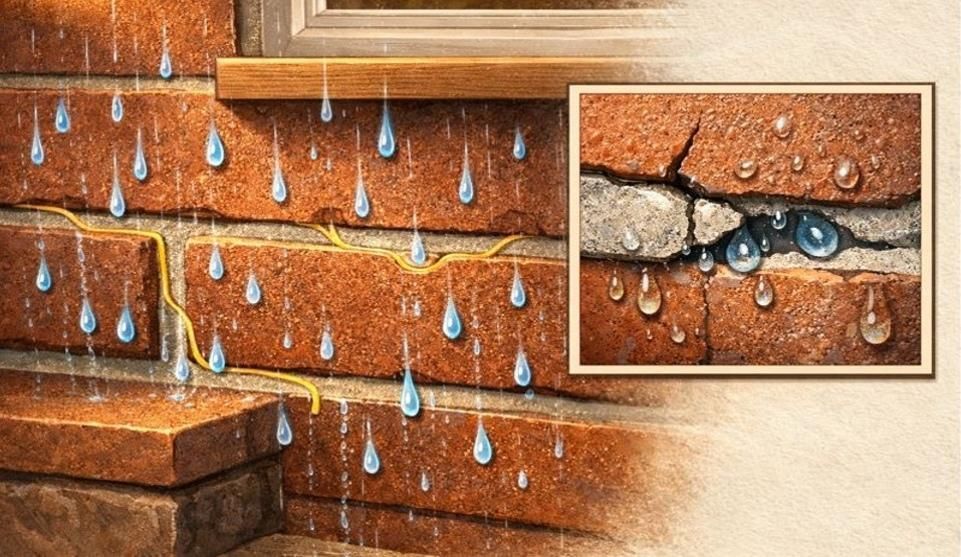
Illustration of mortar channels shedding water from a brownstone façade, preventing spalling.
By City Suburb Insights Team January 8, 2026
Brownstone façades deteriorate when water penetrates cracks and joints. Prevent spalling through runoff control, gentle cleaning, and seasonal inspections.
Tan house with brown shingled roof, white trim, and a garage door under a clear blue sky.
January 5, 2026
Roofing contractor services in Glendale, NY play a critical role in protecting homes and commercial buildings from constant urban and weather exposure. Roof systems shield properties from rain, snow, wind, and temperature extremes common in New York City. In a dense neighborhood like Glendale, roofing must also manage runoff, insulation efficiency, and structural load. Flat roofs , rubber systems, and masonry-integrated designs are common across residential and mixed-use buildings. Proper roofing ensures safety, prevents interior damage, and preserves long-term structural integrity. Whether replacing aging materials or repairing storm damage, professional roofing services directly impact property performance, comfort, and value in Glendale’s tightly built environment. Hiring a professional roofing contractor is essential for navigating New York’s building conditions, codes, and climate challenges. Improper roofing work often leads to leaks, heat loss, drainage issues, and costly structural deterioration. Experienced contractors understand how older buildings, shared walls, and flat roof designs behave over time. Professional roofing ensures compliance with city regulations, safe installation practices, and correct material selection for local exposure. Skilled oversight also prevents recurring repairs caused by shortcuts or mismatched systems. In Glendale, where many structures share close proximity, professional execution protects not only one property but surrounding buildings as well. We deliver reliable roofing and exterior solutions built on experience and accountability. Champion  City Suburb  Inc. serves Glendale, NY with professional roofing contractor services supported by several years of hands-on experience across residential and commercial properties. Our team approaches every project with attention to safety, communication, and long-term performance. We understand local construction styles, weather exposure, and infrastructure demands unique to Queens neighborhoods. Every roof is evaluated carefully and serviced with durable solutions designed for urban living. Results focus on protection, longevity, and confidence homeowners and property managers can rely on.
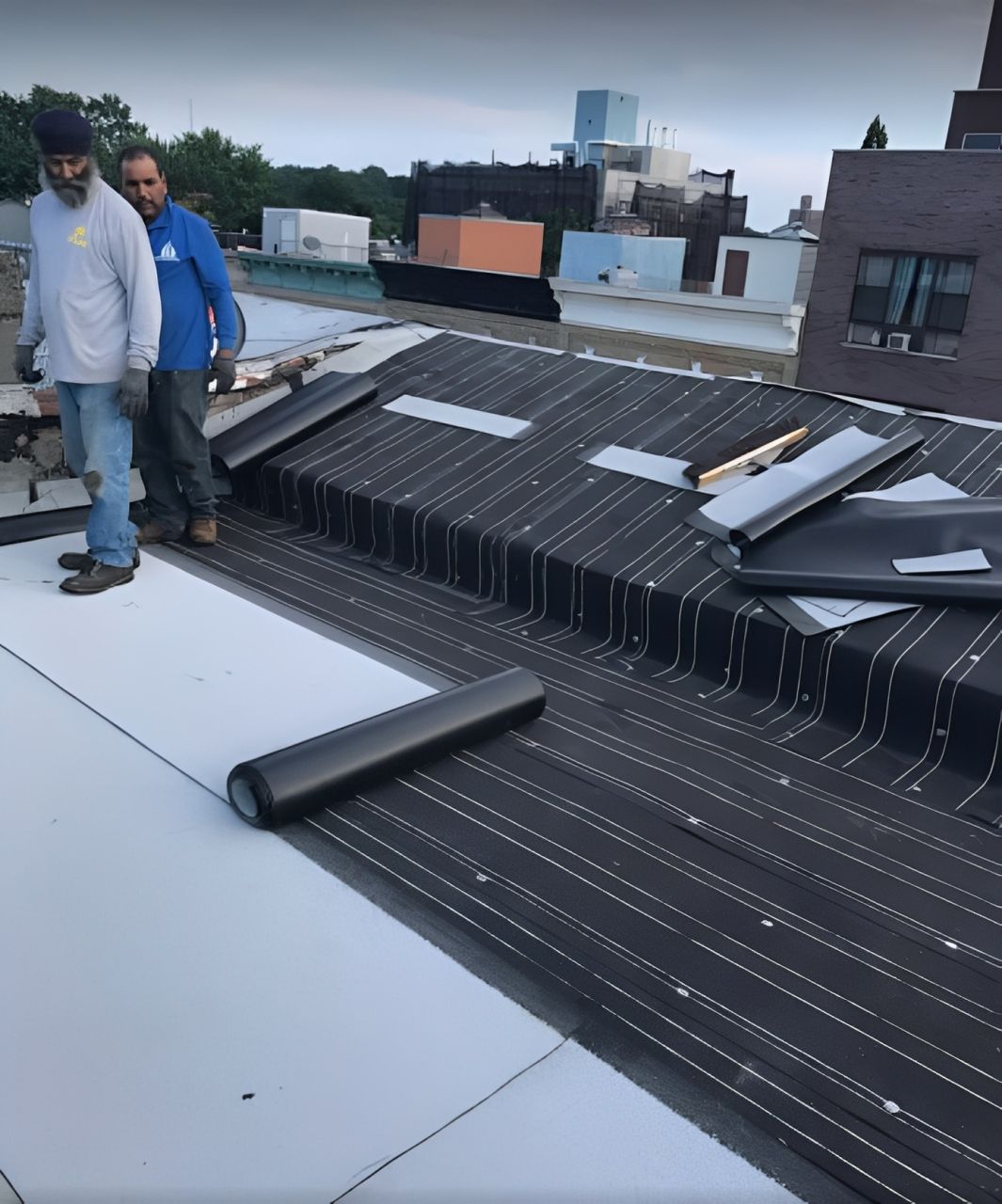
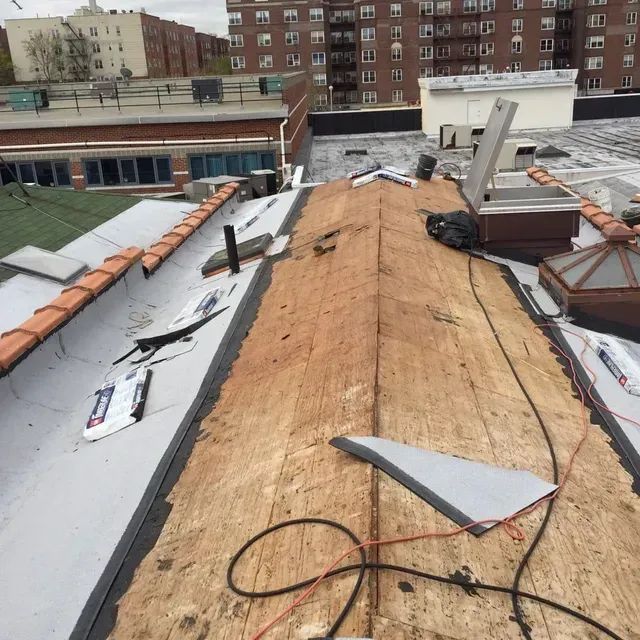
Rooftop with exposed wooden deck, partially covered with gray membrane. Skylight and buildings in background.
December 29, 2025
Choosing the right roof for your home or business is more than just a matter of aesthetics—it is a crucial decision that significantly impacts your property’s protection, energy efficiency, and long-term financial value.
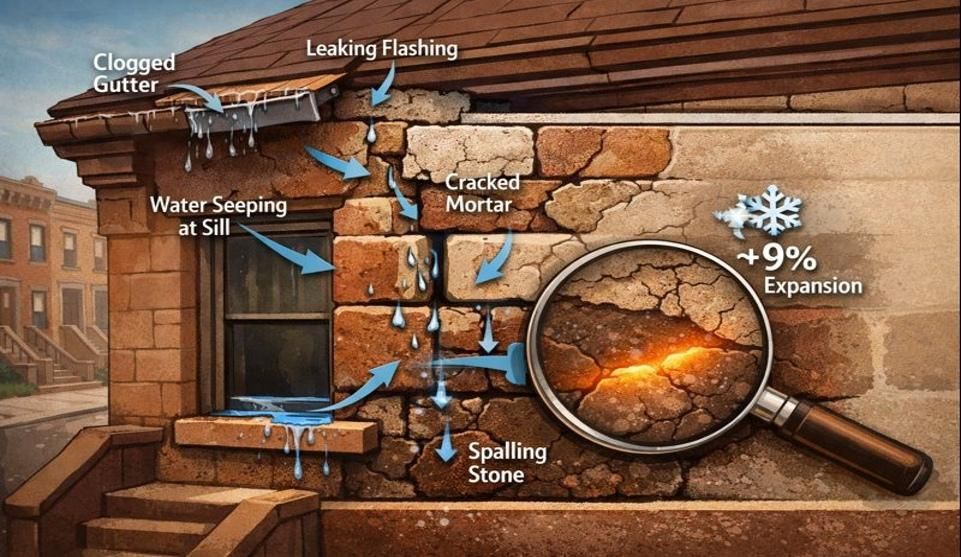
Brownstone cutaway showing water entry from gutters, flashing leaks, cracked mortar, and spalling.
By City Suburb Insights Team December 22, 2025
Choose patching when damage affects under 30% of the surface and surrounding stone is stable, while resurfacing handles widespread failure—both require fixing water pathways first.
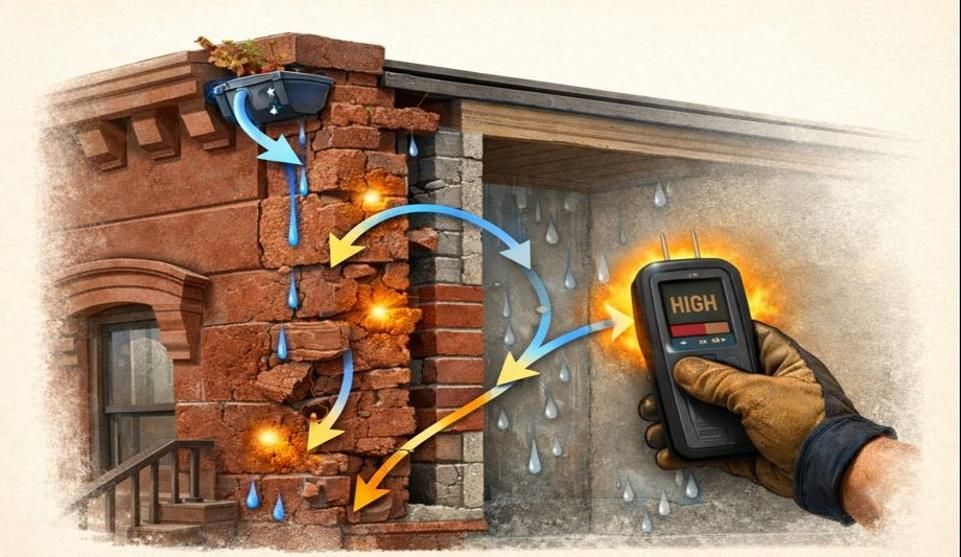
Brownstone cross-section showing water flow from clogged gutter to spalling areas; meter reads high.
By City Suburb Insights Team December 15, 2025
Brownstone spalling happens when trapped moisture freezes and expands by 9%, pushing the stone face off. Fix it by addressing roof drainage before patching.
Inspector photographing recessed mortar joint with deep gaps, efflorescence, and water intrusion.
By City Suburb Insights Team December 8, 2025
Mortar recessed deeper than 1/4 inch signals urgent risk—look for white efflorescence, stair-step cracks, spalling brick, and interior moisture before freeze-thaw damage spreads.
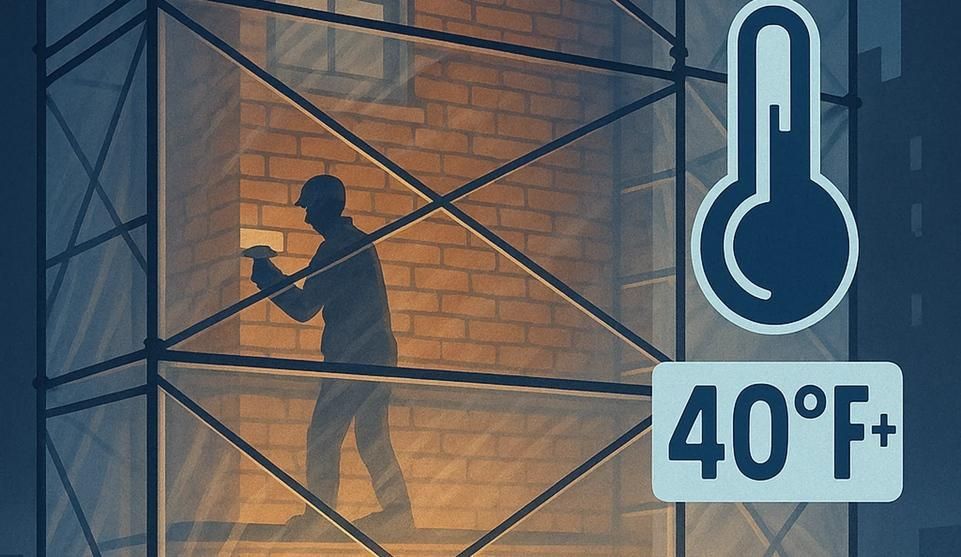
Worker repairing brick joints inside a heated, shrink-wrapped enclosure.
By City Suburb Insights Team November 15, 2025
Yes—brick pointing works in winter if walls stay above 40°F for 48-72 hours. Below that, cement hydration stops and joints fail by spring.
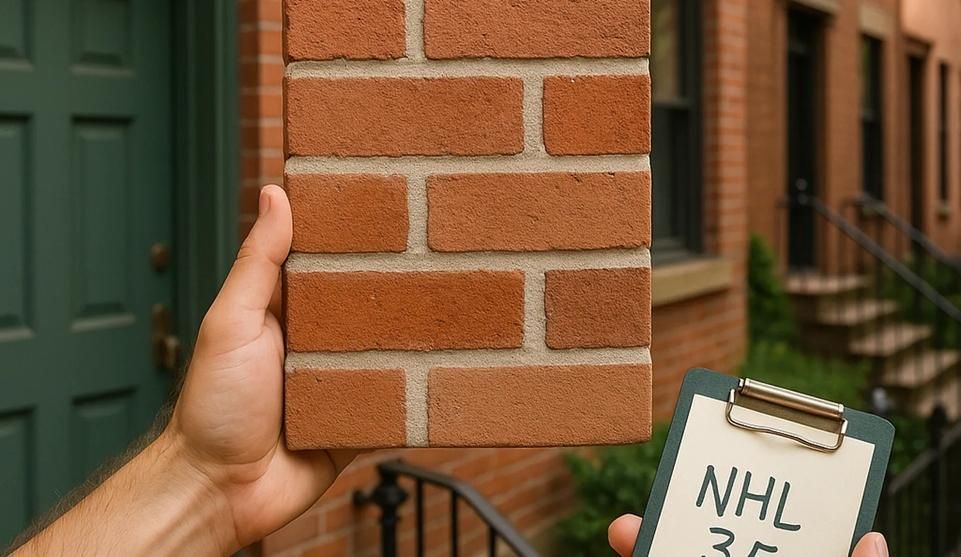
Hands holding a mortar test panel for color and texture matching during brick repointing.
By City Suburb Insights Team November 6, 2025
Lime mortar lasts 30-50 years on historic brick vs. 10-15 for cement. Lime breathes and flexes; cement traps moisture causing spalling.
By City Suburb Insights Team October 29, 2025
Paint over failing joints traps moisture and accelerates brick damage. The safe sequence: diagnose moisture, repoint with compatible mortar, cure, then coat.
By City Suburb Insights Team October 25, 2025
Perfect mortar match proven on the wall, not paper. Use neighborhood cues—brick firing, patina, joint profile—and approve daylight test panels first.
By City Suburb Insights Team October 21, 2025
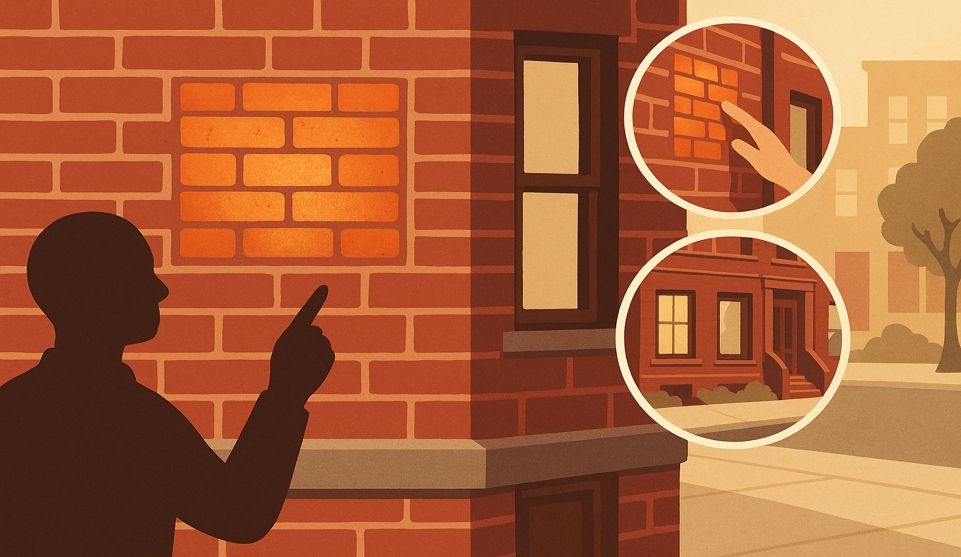
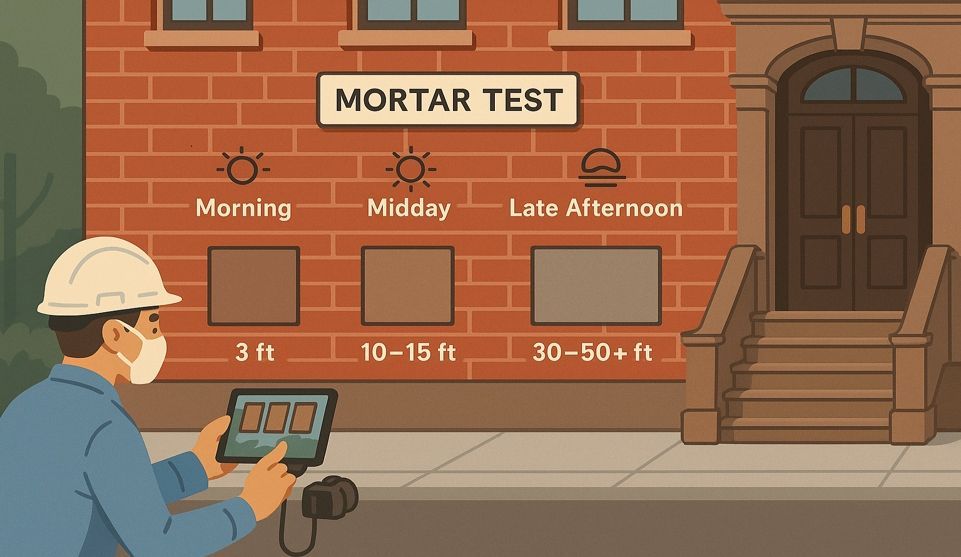
Review mortar test panels at 3 distances and 3 times of day—joint profile and sand texture shift color as much as pigment does.
By City Suburb Insights Team October 15, 2025
Review test panels at 3 distances under AM/Noon/PM light to validate mortar breathability, texture, and joint profile before NYC repointing.
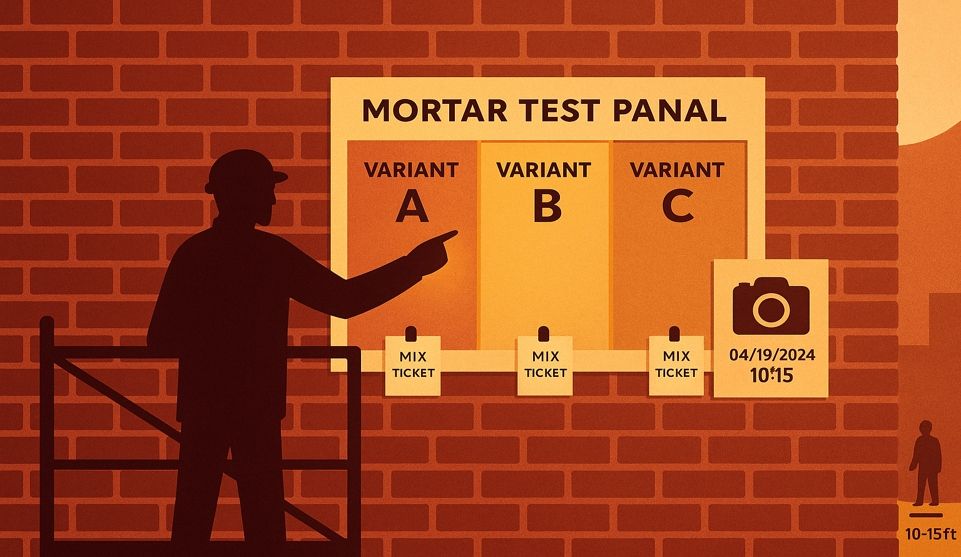
Stylized on-wall mortar test panel (Variants A–C) being reviewed from a scaffold; mix tickets and ti
By City Suburb Insights Team October 10, 2025
Test panels catch mortar color mismatches before full repointing begins. NYC requires lime-based mixes weaker than brick to prevent moisture damage.
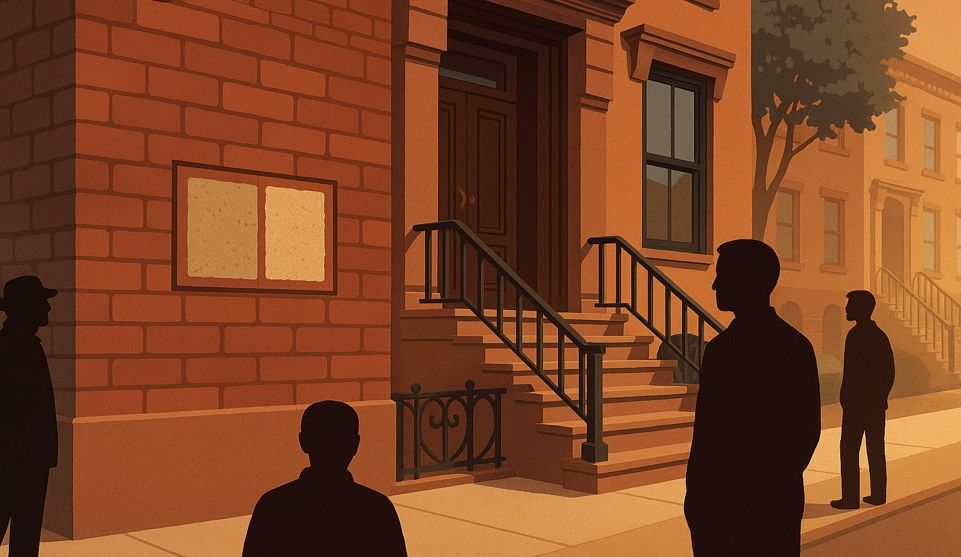
Illustration of a brownstone on-wall test panel with two mortar samples viewed from three distances
By City Suburb Insights Team September 27, 2025
Lime-rich mortar protects Brooklyn brownstones by staying softer than brick. Test panels reviewed at 10-15 ft reveal color shifts before scaling work.
Stylized illustration of a mason carefully repointing a brick joint with a CNMP clipboard and HEPA u
By City Suburb Insights Team September 22, 2025
NYC brick repointing takes 3-4 weeks with dust controls, CNMP filings, and 7AM-6PM work windows. What neighbors need to know about permits and protection.
Mason’s gloved hand applying a lime mortar test panel on a historic brick façade.
By City Suburb Insights Team September 16, 2025
Over-hard mortar stresses historic brick and traps moisture inside walls. Compatible lime-based mixes allow vapor escape and last 30+ years when done right.
Stylized cross-section of historic bricks with a glowing mortar ribbon stopping moisture, while miss
By City Suburb Insights Team September 11, 2025
Repoint before painting or coating—coating over failed mortar joints traps moisture, causing brick spalling and interior damage within months.
Stylized cross-section of a brownstone showing glowing lime mortar joint protecting brick, mason too
By City Suburb Insights Team September 6, 2025
Historic NYC brick needs lime mortar weaker than the brick itself—hard Portland cement traps moisture and causes spalling. Here's the right approach.
facade restoration
By City Suburb Insights Team August 28, 2025
Neglected facades can pose serious liability. This framework guides commercial building restoration to protect assets and reduce long-term risks.
facade restoration
By City Suburb Insights Team August 22, 2025
Quality materials like sealants, coatings, and flashing play a key role in building longevity, boosting durability and reducing maintenance costs over time.
facade restoration
By City Suburb Insights Team August 16, 2025
Guidelines for maintaining scaffolding and site safety during facade repairs, minimizing risks to tenants and pedestrians while work is underway.
brick pointing
By City Suburb Insights Team August 11, 2025
Quick-fix pointing often fails when mortar isn’t matched properly, creating hidden structural risks and long-term maintenance liabilities.
facade restoration
By City Suburb Insights Team August 6, 2025
A practical guide for property managers on creating a strong business case for facade restoration, highlighting costs, benefits, and long-term value.
masonry work
By City Suburb Insights Team May 28, 2025
Quick fixes often lead to hidden costs, further deterioration, and compromised structural integrity that demand more extensive and costly repairs later.
 Masonry Contractor
By City Suburb Insights Team May 23, 2025
Get a solid contractor by verifying experience, checking references, assessing material knowledge, and evaluating preservation-specific credentials.
 Brick Pointing
By City Suburb Insights Team May 16, 2025
Choosing the correct mortar mix avoids long-term structural issues, prevents damage to aging brickwork, and supports authentic restoration efforts
More Posts