EPDM Roofing Explained: Is It the Best Choice for Your Flat Roof?
In the world of flat roofing, EPDM (Ethylene Propylene Diene Monomer) has gained significant popularity as a go-to solution for both residential and commercial buildings. Known for its durability, cost-effectiveness, and versatility, EPDM roofing offers a range of benefits that make it an ideal option for flat roofs. Whether you are considering a new installation or planning a roof replacement, understanding EPDM roofing is essential for making an informed decision. This roofing material has become a standard for flat roofs due to its performance in various climates and conditions.
As the demand for reliable and long-lasting roofing materials continues to grow, it is crucial to explore the features and advantages of EPDM. Is it truly the best choice for your flat roof? Does it meet your specific needs in terms of weather resistance, longevity, and maintenance? In this blog, we will dive deep into EPDM roofing, examining its benefits, potential drawbacks, and real-world applications. By the end, you will have a clear understanding of whether EPDM is the right roofing solution for your property.
1. What is EPDM Roofing?
Understanding the Basics of EPDM Roofing
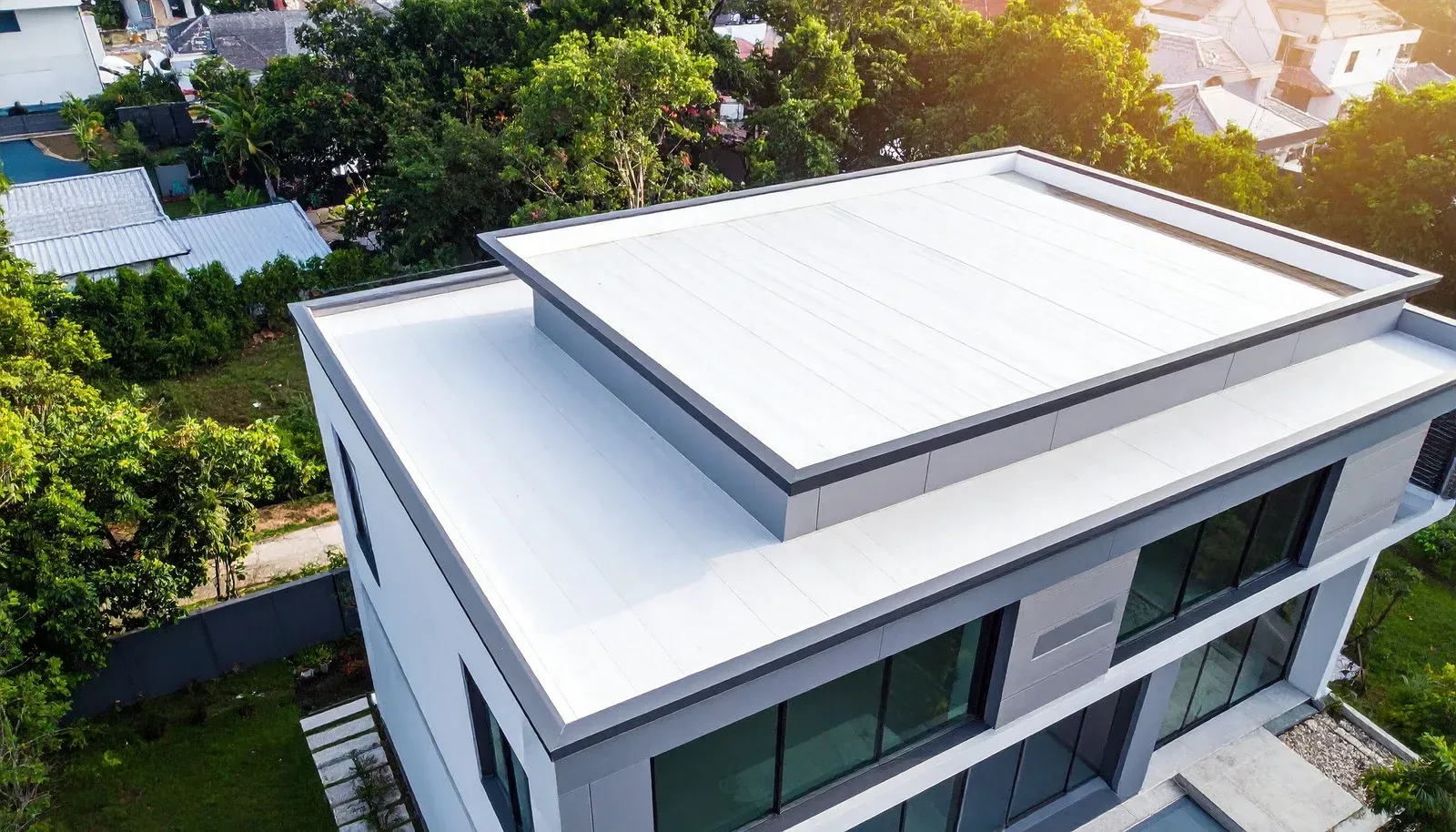
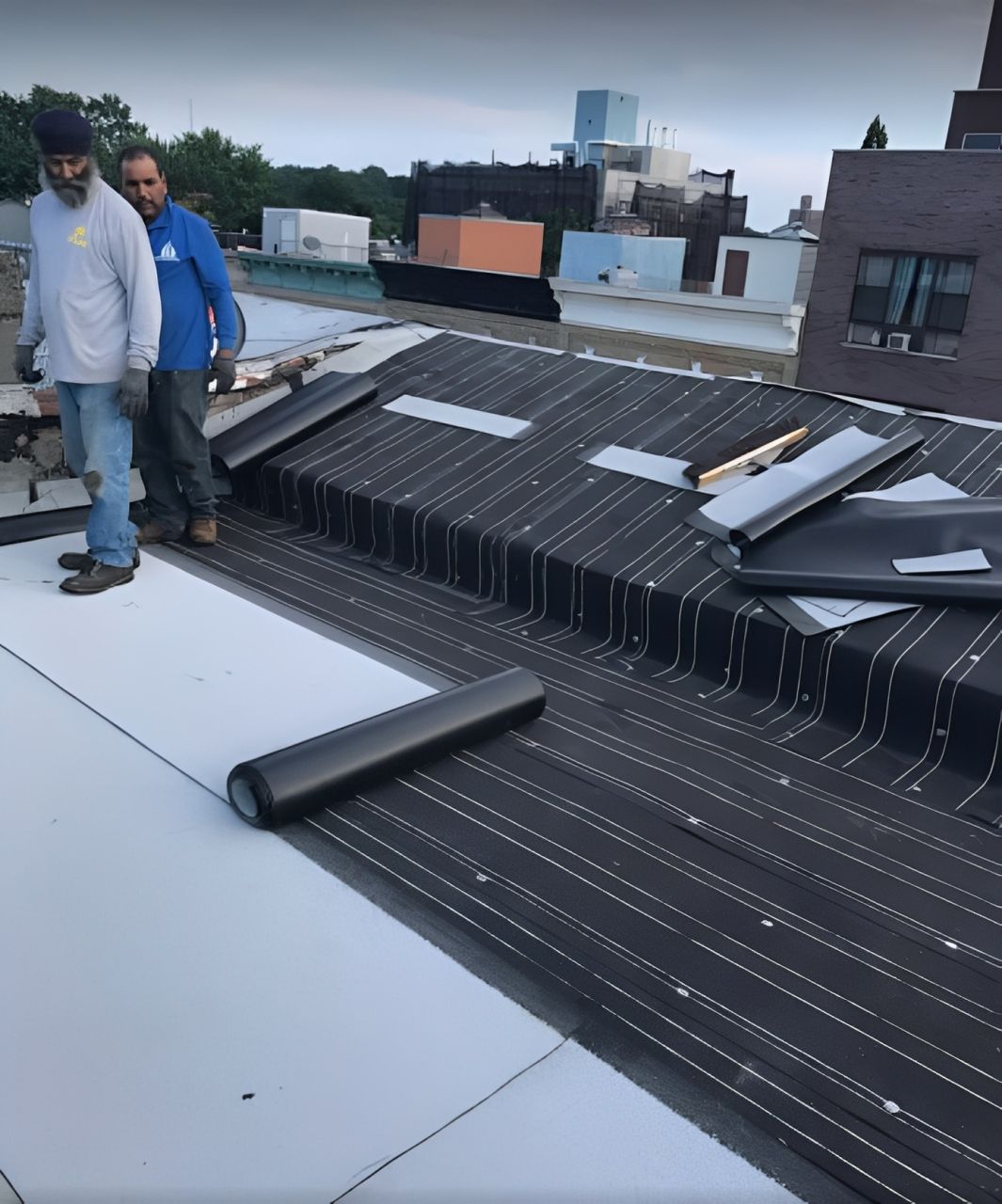
EPDM is a synthetic rubber roofing membrane that has been used for over 50 years, particularly for flat roofs. Made from a combination of ethylene, propylene, and diene monomer, EPDM roofing is highly regarded for its resilience and flexibility. This material is most commonly available in two forms: fully adhered (where the membrane is glued to the roof deck) and ballasted (where the membrane is laid out and held in place by gravel or other heavy materials).
EPDM roofing is typically sold in large rolls, which makes it easier to install on expansive flat roofs. It is most popular in commercial buildings but has also found widespread use in residential applications due to its affordable cost and longevity.
Composition and Structure
The composition of EPDM gives it several unique properties that are beneficial for flat roofing applications. The rubber membrane is waterproof, extremely flexible, and resistant to UV degradation, making it an ideal choice for roofs exposed to various weather conditions. Additionally, it can withstand extreme temperatures, from freezing cold to scorching heat, without deteriorating.
2. Benefits of EPDM Roofing
Durability and Longevity
One of the primary reasons EPDM has become a top choice for flat roofs is its impressive durability. When properly installed and maintained, an EPDM roof can last up to 50 years or more. The material is highly resistant to wear and tear, including punctures and tears, making it a suitable option for roofs that experience heavy foot traffic or the weight of equipment.
The UV resistance of EPDM ensures that it won’t crack or degrade when exposed to the sun for extended periods. Additionally, the material does not expand or contract significantly with temperature fluctuations, which helps to preserve the integrity of the roof over time.
Cost-Effectiveness
EPDM roofing is an economical choice, particularly when compared to other roofing materials like TPO or PVC. Its affordability makes it a preferred option for property owners who need a cost-effective yet durable roofing solution. Furthermore, the installation process is relatively straightforward, which helps to reduce labor costs.
Energy Efficiency
EPDM roofing is also an energy-efficient material. The black roofing surface naturally absorbs heat, which can help reduce heating costs during colder months. On the other hand, white EPDM membranes, known as "cool roofs," reflect sunlight and reduce heat absorption, offering a more energy-efficient solution for warmer climates. This feature makes EPDM a versatile option for both cold and hot regions, depending on your specific needs.
3. Challenges of EPDM Roofing
Vulnerability to Damage from Certain Chemicals
While EPDM is resistant to most environmental elements, it can be vulnerable to certain chemicals, including oils and solvents. If your roof is exposed to such substances, it may degrade faster than expected. Property owners should ensure that they take care to avoid exposure to harsh chemicals that could compromise the integrity of the roof.
Maintenance and Repair Requirements
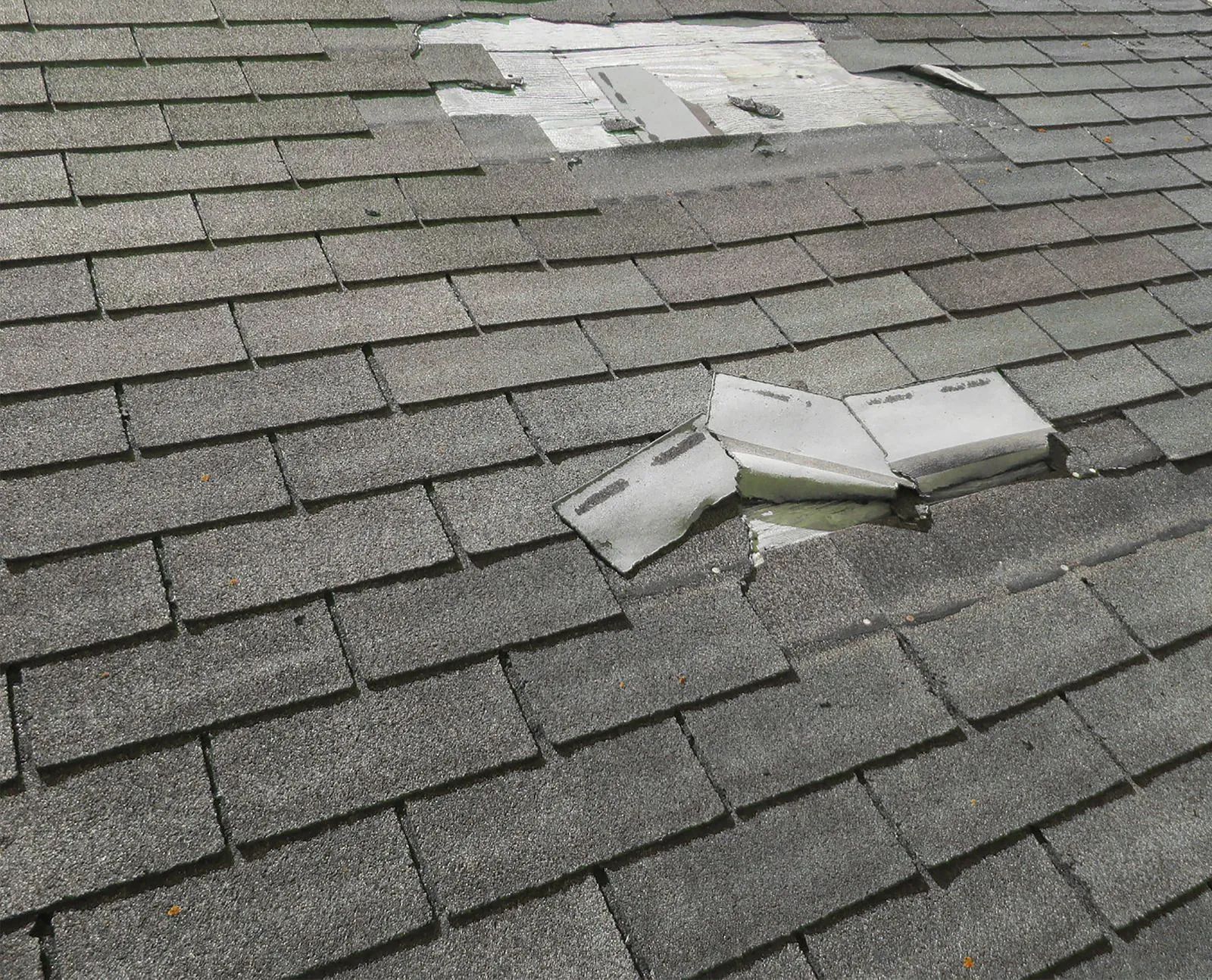
Although EPDM is low-maintenance, it still requires periodic inspection and care to maintain its performance. Small punctures or tears, if left unaddressed, can lead to water infiltration, which may result in more extensive damage over time. Regular cleaning and inspections are essential to ensure that your EPDM roof remains in top condition. In addition, repairs, although relatively easy to perform, may be required if the roof experiences damage.
Aesthetic Limitations
EPDM roofs generally come in black or white, with limited options for color customization. While the black membrane is effective for heat absorption, it may not always complement the aesthetic of the building’s exterior. If aesthetics are a significant consideration for your property, you may need to explore other roofing materials that offer more design flexibility.
4. EPDM Roofing Installation Process
Preparing the Roof Surface
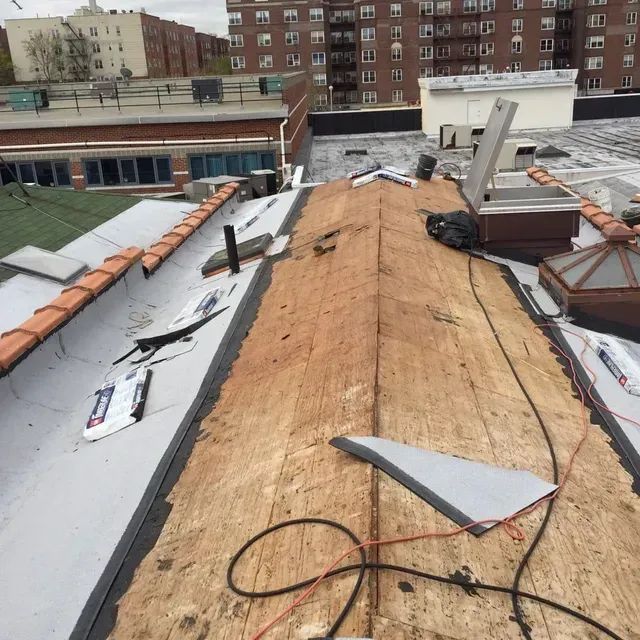
Before installing EPDM roofing, the existing roof surface must be properly prepared. This may involve cleaning the area to remove any debris, ensuring that the roof deck is solid, and repairing any structural issues that may exist. Proper preparation is essential for ensuring that the EPDM membrane adheres properly to the roof.
Installation Methods
There are three primary installation methods for EPDM roofing: fully adhered, mechanically fastened, and ballasted. Each method has its pros and cons, depending on the size and structure of the roof. The fully adhered system involves gluing the EPDM membrane directly to the roof deck, which offers excellent wind resistance and a seamless finish. The mechanically fastened method uses screws or other fasteners to attach the membrane to the roof, which is ideal for roofs with a slight slope. The ballasted system relies on weight, such as gravel, to hold the EPDM membrane in place, which can be a more affordable option for larger commercial buildings.
Professional Installation vs. DIY
While EPDM roofing can be installed by DIYers, professional installation is recommended to ensure proper performance and longevity. A trained roofing contractor will have the experience necessary to handle the complexities of EPDM installation, including proper sealing of seams and corners, which are common points of failure if not done correctly.
5. EPDM Roofing Maintenance and Care
Routine Inspections
To maximize the lifespan of your EPDM roof, it is essential to conduct regular inspections. This helps identify potential issues such as punctures, blisters, or leaks before they become major problems. Property owners should schedule inspections at least once or twice a year, and after extreme weather events, such as heavy storms or snowfall.
Cleaning and Debris Removal
EPDM roofs should be kept clean by regularly removing debris such as leaves, twigs, and branches that can accumulate on the surface. This helps prevent water pooling, which can lead to leaks. It is also essential to keep gutters and downspouts clear to allow for proper drainage.
Repairs
If any damage is discovered during inspections, prompt repairs should be carried out to prevent further issues. Small punctures or tears can be repaired using EPDM roof patch kits, which are available at most hardware stores. For more extensive damage, it is advisable to consult a professional roofing contractor.
6. Is EPDM Roofing Right for You?
Factors to Consider
When deciding whether EPDM roofing is the best choice for your flat roof, several factors need to be considered. These include the climate in your region, your budget, the size and complexity of your roof, and how much maintenance you are willing to perform. EPDM is ideal for commercial buildings and residential flat roofs, particularly if you are looking for a durable, cost-effective, and energy-efficient solution.
Real-World Scenarios
For instance, businesses with large flat roofs that experience heavy foot traffic may benefit from EPDM’s durability and resistance to wear and tear. On the other hand, a residential flat roof in a colder climate might benefit from the heat retention properties of a black EPDM membrane.
Ultimately, EPDM offers a practical solution for many flat roofing applications, but understanding your specific needs will help ensure that you make the best choice for your property.
Expert EPDM Roofing Installation and Maintenance Services
If you are considering EPDM for your flat roof, ensure you understand the installation process, maintenance requirements, and potential challenges to get the most out of this roofing solution. For more information or to explore how EPDM roofing can benefit your property, contact us at City Suburb in Queens, NY.
With 20
years of experience, we
specialize in EPDM roofing
installations, repairs, and maintenance. Our team of skilled professionals ensures that your roof is installed correctly and maintained to the highest standards, offering long-lasting protection for your property. Whether you're installing a new roof or replacing an old one, trust us to provide expert guidance and quality service for your flat roofing needs. Reach out today to learn more about how EPDM roofing can be the best choice for your building.